
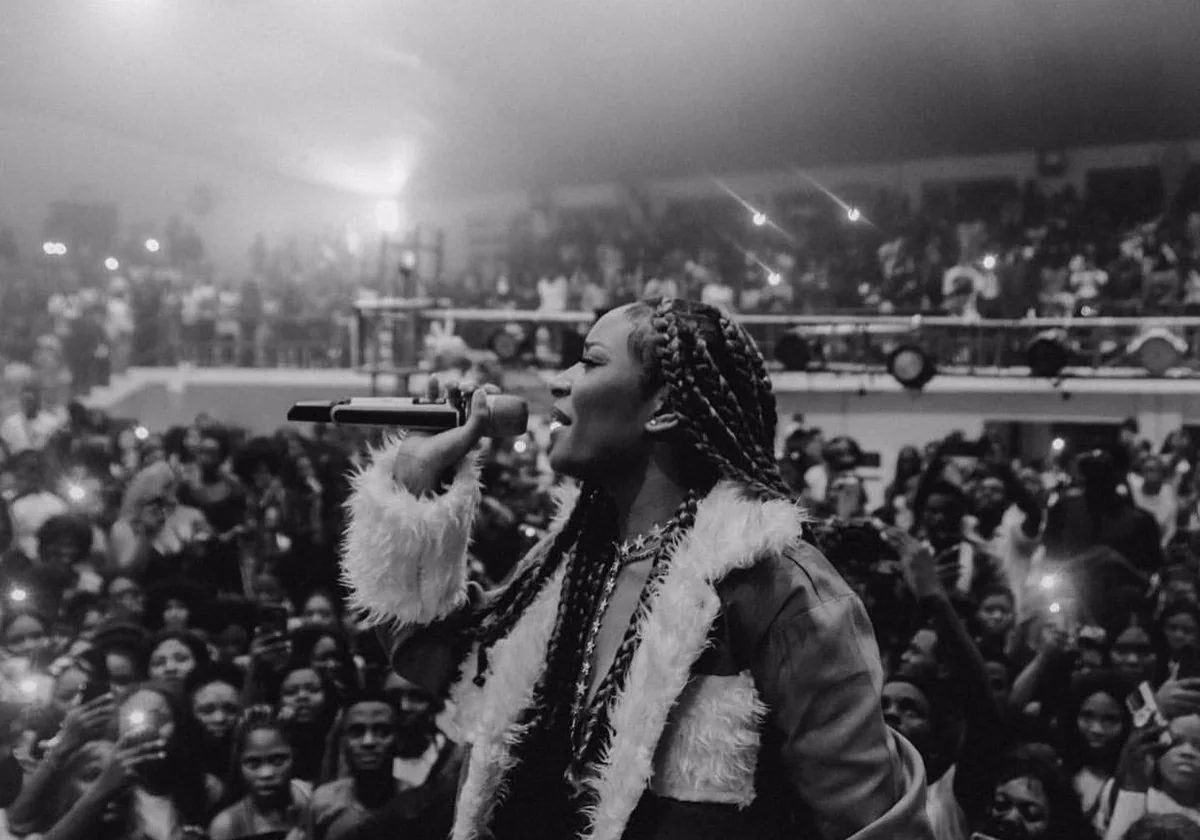
Afrobeats promotion works when the campaign carries the record’s personality, cultural context and social energy—not when it treats the genre as a generic playlist tag. A percussion-led club record, a romantic mid-tempo song and an Afropop crossover need different entry points even if distributors place them under the same broad label.
This playbook turns one release into a focused 60-day campaign. It prioritises the people who can understand the song, gives every asset a clear job and leaves room to react to real listener behaviour. For a wider view of campaign design across styles, start with music promotion by genre.
Position the song before you promote it
Write a one-sentence positioning line that a DJ, editor or creator can repeat accurately. Name the musical centre, the emotional use case and the strongest proof of identity. For example: “A warm Afropop love song built around live guitar, conversational Yoruba-and-English vocals and a chorus for late-night singalongs.” That is more useful than “the next global Afrobeats hit.”
Answer five questions before making content:
- Which lane is clearest? Afropop, street-pop, Afro-R&B, dance-led Afrobeats or another specific blend?
- Where is the song rooted? Mention languages, cities, collaborators and rhythmic references only when they are genuinely part of the record.
- What moment does it serve? Dancing, flirting, driving, celebration, reflection or a communal chant?
- What is the memorable unit? A lyric, dance step, drum switch, guitar phrase or call-and-response?
- Who is already close to it? Existing listeners, local DJs, diaspora communities, dancers or fans of a collaborator?
Prepare a clean radio edit if the original needs one, an instrumental, lyrics with translations where helpful, accurate credits and a short artist story. Translating a line should add meaning rather than flatten slang or local expression. Do not invent a “viral” narrative before people have responded.
Channel priorities, in order
1. Existing listeners and direct community
Begin with the people who already recognise your voice. Use email, WhatsApp broadcasts, Instagram Close Friends or a community channel without adding people to unsolicited groups. Ask for one concrete action: save the song, reply with a favourite line, attend a listening session or make a clip if it genuinely fits them.
A small response from people with context is more informative than broad, untargeted exposure. Their language can also reveal which part of the song deserves the next content wave.
2. DJs, radio hosts and trusted selectors
Afrobeats travels through club, radio, party and diaspora networks. Build a short list organised by lane and territory: campus radio, community stations, specialist shows, club DJs, mix-series curators and regional tastemakers. Listen before pitching. Note whether each person plays new street-pop, smooth Afropop, Afro-R&B or dance-heavy records.
Send a private stream or download, clean metadata, release date, radio edit and a two-line reason the track suits that specific show or set. Never attach a huge file without permission. If you need structured outreach beyond your own relationships, pitch your release through LISTN.
3. Short-form video with a repeatable idea
Build formats around the song rather than forcing a dance challenge. Test a performance close-up, a lyric-and-translation clip, a producer breakdown, a call-and-response prompt, a styling transition or a real social scene where the record belongs. TikTok’s own artist guidance recommends making authentic content and using analytics to learn what connects; its Artist Account features also include tools for highlighting new music.
Shoot several openings for the same musical moment. Keep the version that earns meaningful comments, rewatches or creations, not merely the one the team likes most.
4. Streaming profiles and editorial tools
Deliver early enough to check the artist mapping, credits, lyrics and artwork. Pitch one unreleased song through Spotify for Artists; Spotify explains that only one song can be pitched at a time and recommends pitching at least seven days before release. Describe the actual instrumentation, mood, culture and audience. A precise pitch helps more than inflated claims.
Update profile images, bio and Artist Pick so a curious listener finds a coherent world. Treat playlists as one discovery route, not the entire strategy.
5. Press, collaborators and scene pages
Approach writers, photographers, dance communities and culture pages with a story bigger than “new single out now.” Useful angles include a production choice, a bilingual lyric, a collaboration across cities, a visual concept or the community behind the record. Give every collaborator a simple asset folder and suggested posting windows, while leaving room for their own voice.
The Afrobeats D-30 to D+30 release sequence
D-30 to D-22: define the campaign spine
Lock the master, artwork, credits and delivery. Write the positioning sentence and identify three priority territories based on real audience history, collaborator roots or current relationships—not ambition alone. Create a contact sheet with relevance notes and permission status.
Choose one primary song moment and two secondary moments. Film a performance version, lyric-context clip and studio story in one session. Make vertical cuts, stills and a lightweight electronic press kit. Confirm that every collaborator has the date, links and approved credits.
D-21 to D-15: prepare discovery routes
Submit the editorial pitch and verify all artist profiles. Quietly service trusted DJs, radio producers and writers who need lead time. Ask for feedback, not guaranteed support. Test two short-form concepts organically with different hooks and watch for specific reactions: quoted lyrics, dance attempts, questions about language or requests for the full song.
Set a smart link and consistent tracking labels. Decide in advance what would justify paid support: strong completion, substantive comments, profile visits or audience response in a relevant city.
D-14 to D-8: introduce the record’s world
Announce the release with a clear story and pre-save option, but do not repeat the same poster daily. Alternate artist-led footage, the lyrical meaning, collaborator introductions and a glimpse of the rhythm or visual language. Send personalised follow-ups only when there is new information.
Give dancers or creators clean audio and a brief that explains the feeling without scripting their performance. If a dance is integral, show its foundational move clearly and credit its creator prominently.
D-7 to D-1: concentrate anticipation
Release the strongest preview, pin the date and make the chorus easy to identify. Confirm radio assets, creator posts and collaborator timing. Prepare release-day captions, links, credits and community replies. Check that clean and explicit versions are labelled correctly.
Host a small preview, live session or DJ playback if it serves the song. Capture audience reaction honestly; do not manufacture a crowd moment.
D0 to D+3: make listening frictionless
Publish the main visual or best performance asset, update every profile link and personally thank early supporters. Share where the record fits—party, late-night, romance, celebration—rather than posting bare links. Reply to comments in the languages you actually use and reshare fan interpretations with permission.
Document genuine support from DJs or radio, but avoid fake screenshots and unsupported chart language. Give press and selectors one concise update containing the live link and any new relevant asset.
D+4 to D+14: follow the strongest signal
Review platform analytics by city, source and content format. Compare signals, not vanity totals. If lyric explanation drives comments, deepen that story. If DJs respond to the percussion break, release a clean performance or mix-friendly clip. If one city shows real interest, prioritise local media, creators and community pages there.
Publish a second visual angle instead of duplicating launch day. Invite an acoustic, live-band, dance or producer-led interpretation only when it reveals another side of the record.
D+15 to D+30: extend with purpose
Build a final wave around earned evidence: a meaningful radio spin, fan performance, live clip or collaborator story. Consider a remix only if the new artist or producer creates a credible bridge. Archive contacts, replies and creative learnings for the next release. Long-term trust matters more than squeezing one more generic post from the campaign.
€0: turn specificity into reach
Spend time on targeting, not mass messaging. Make a concise press folder with WAV, radio edit, cover, portrait, lyrics, credits and a short note. Record phone-shot performances in good daylight. Contact a small number of suitable DJs and radio shows individually. Trade skills with a dancer, stylist or videographer only through a clear, mutually agreed exchange.
Use free artist dashboards and native analytics. Your advantage at €0 is speed of learning and direct conversation.
€100: fund one clear experiment
Choose one bottleneck. Pay for a focused performance edit, a small studio or location cost, lyric subtitles and translation review, or a modest ad test behind an organic clip that has already drawn relevant response. Split tests by creative or audience, not both at once, so the result teaches you something.
Do not divide €100 among playlist promises, random repost pages and several weak ads. Never pay for guaranteed streams or undisclosed placement.
€500: assemble a compact release system
A sensible mix could fund one strong visual session, accurate edits and captions, targeted radio or creator outreach, and a controlled paid test with money reserved for the best-performing asset. Set caps before launch. Keep enough budget for D+7, when evidence can guide the second wave.
Buy professional execution, not imaginary certainty. No legitimate campaign can guarantee virality, editorial playlists or chart positions.
Afrobeats promotion mistakes to avoid
- Treating Africa as one market. Lagos, Accra, London, Paris, Toronto and Johannesburg have different scenes, media and audience habits.
- Using cultural cues as decoration. Credit dancers, producers, slang sources and local collaborators; do not borrow context you cannot explain.
- Pitching every record as a dance challenge. Some songs win through lyrics, romance, live vocals or musicianship.
- Flattening all adjacent genres into “Afrobeats.” Describe the record accurately and respect distinctions between Afrobeats, Afrobeat, Amapiano, Afro House and regional styles.
- Buying opaque playlist packages. Spotify warns that paid services promising streams or playlist placement can violate its rules.
- Ignoring clean versions and metadata. Radio programmers need usable files, correct names and reliable contact details.
- Chasing global pages before local proof. A credible community story often gives international media a reason to care.
Final Afrobeats release checklist
- The positioning line names the lane, mood and distinctive musical detail.
- Masters, clean edit, instrumental, lyrics, translations and credits are accurate.
- Artwork and profiles map to the correct artist.
- The streaming pitch was submitted with enough lead time.
- DJ, radio, press and creator lists are filtered by sound and territory.
- Every pitch explains why the song fits that recipient.
- Three content formats are ready, including one artist-led performance.
- Dancers, producers and collaborators are visibly credited.
- Tracking links and budget limits are set.
- The D+7 review will decide the second wave.
- No paid partner promises streams, playlists or guaranteed outcomes.
- Campaign notes will be saved for the next release.
For a view of the companies developing and exporting the sound, read Top Afrobeats Record Labels in 2026. Then keep your own plan grounded: define the record precisely, approach the right cultural and professional routes, and amplify what listeners genuinely respond to. When your assets and target list are ready, build a focused LISTN campaign.