
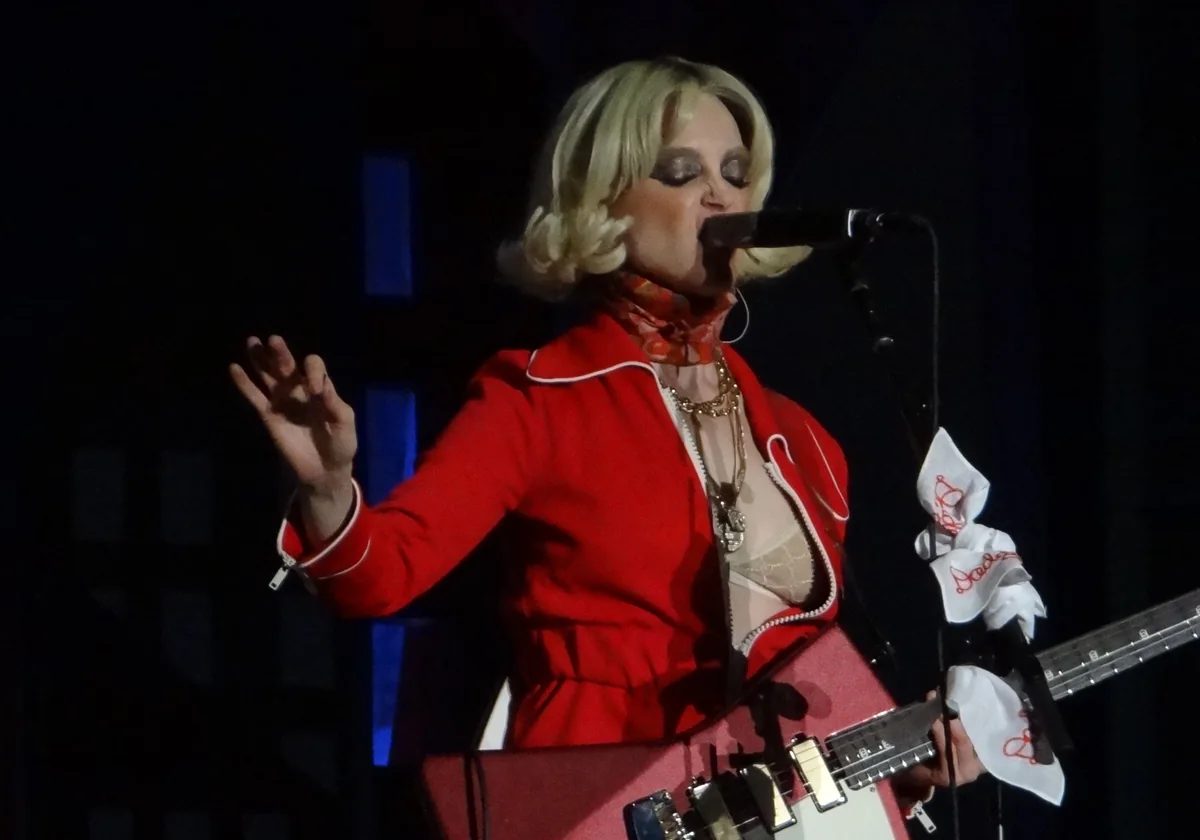
Alternative rock rewards a clear identity more than a generic claim to be “different.” The genre can hold abrasive guitars, electronic detail, hushed verses, pop-sized choruses and art-rock arrangements, but a campaign still needs a precise doorway. A listener, editor or promoter should understand what kind of tension your record creates, who might care, and why this song belongs in the present.
This guide turns that identity into a release system. It complements LISTN’s broader music promotion by genre framework with tactics for guitar-led independent music, and it connects to the existing alternative rock record label guide for artists researching longer-term partners. Promotion is not a promise of press, streams or signing. It is the disciplined work of making the right release easy to understand, hear and share.
Position the song before promoting it
Start with one sentence that joins sound, emotional stakes and audience context. “Alternative rock with jagged verses and a luminous chorus about leaving a hometown” is useful. “A unique genre-bending anthem for everyone” is not. Your sentence should help someone decide whether to press play without pretending the track is identical to a famous band.
Build the positioning from four choices:
- Sonic anchor: name two audible traits, such as detuned guitars, dry live drums, shoegaze density, synth bass or a restrained vocal.
- Emotional conflict: identify the tension carried by the lyric or performance—alienation versus belonging, control versus chaos, nostalgia versus escape.
- Scene context: locate the release honestly: a local DIY circuit, college-radio lineage, art-rock audience, heavier alternative space or indie-club setting.
- Visual rule: select a repeatable palette, type treatment and framing style that match the record rather than whatever format is trending.
Then prepare three versions of the story: a 15-word description for profiles, a 60-word pitch for direct messages, and a 120-word paragraph for press and radio. Add clean and explicit versions if needed, lyrics, credits, release date, territory, private stream, downloadable WAV, cover art and two strong landscape photos. Consistency matters: the same title, capitalization and credits should appear everywhere.
Channel priorities for alternative rock, in order
1. Live rooms and the local scene
Alternative rock becomes convincing when people can see the band’s dynamics. Prioritize one release show, an appropriate support slot or an in-store performance over several poorly matched gigs. Contact promoters with a short live clip, location, realistic draw history and two comparable local acts. At the show, give listeners one memorable next action: scan a code for the song, join the mailing list or take a small card with the release URL.
Capture proof without turning the set into a film production. One fixed wide shot, one close performance clip and a clean board recording can supply weeks of useful material. Ask the venue and other artists before filming, credit everyone, and trade assets after the night.
2. College, community and specialist radio
Research programs, not just stations. Find hosts who already play guitar music near your sound, note the exact show name, and follow each station’s submission instructions. Send a radio edit when the full track has a long intro or explicit lyric; include an instrumental only when it is genuinely useful. A concise pitch should explain the song, local connection, release date and whether the band is available for an interview or session.
Do not describe a bulk email as a relationship. Log the host, date, stated format and response. Follow up once with new information—a release show, video or tour date—rather than “just checking in.”
3. Editorial and user playlists
Deliver the master and metadata early enough to claim profiles and prepare platform pitches. Spotify’s official artist guidance says an unreleased song can be pitched to editors through Spotify for Artists and recommends submitting at least seven days before release; only one song can be pitched at a time (Spotify for Artists). That makes choosing the focus track part of the campaign, not an administrative afterthought.
Treat independent playlists carefully. Target lists where the recent selections truly fit, write to identifiable curators through their published route, and never pay for guaranteed placement or streams. Save links and screenshots of real support, but do not inflate a weak match merely because a playlist has a large follower count.
4. Short-form performance video
For alternative rock, the strongest clips often show cause and effect: the pedal click before the chorus, the drummer changing feel, a vocal cracking at the right lyric, or the whole room landing on a stop. Film vertical versions of three distinct moments rather than cutting the same chorus ten ways. Add on-screen context—“the bridge that nearly got deleted”—so a silent viewer understands the premise.
Alternate polished footage with rehearsal-room texture. The goal is not artificial roughness; it is evidence that the record comes from a band with decisions, chemistry and a point of view.
5. Blogs, newsletters and video channels
Pitch writers who cover your actual lane. Reference one relevant recent article, explain the specific fit, and offer a useful angle: production choices, a local scene story, a visual collaboration or a track-by-track idea. A private link and one downloadable folder are enough. Avoid giant attachments and invented urgency.
6. Owned audience
A mailing list, artist website and Bandcamp page remain valuable because they preserve context beyond an algorithmic feed. Bandcamp’s artist guide explains that followers can receive release notifications and messages from artists, making it a practical home for direct support (Bandcamp Artist Guide). Give supporters something coherent: lyrics, production notes, physical formats, tour dates or a demo—not a copy of every social caption.
D-30 to D+30: the alternative rock release run
D-30 to D-22 — define the campaign
Lock the master, artwork, credits, clean version and release date. Write the positioning sentence and decide which section of the song is the campaign’s visual motif. Build a list of 25–40 genuinely relevant contacts across radio, press, playlists, promoters and local partners. Rank each as close fit, possible fit or research needed.
Shoot a simple live take and a direct-to-camera introduction. Confirm the release show or listening event before announcing it. Create one folder with WAV, MP3, cover, photos, lyrics, bio and contact details; check permissions for every image and sample.
D-21 to D-15 — open the story
Deliver the release to your distributor and claim the platform pages you can access. Submit the editorial pitch while the song is still unreleased. Send private-listening pitches to priority writers and radio hosts, respecting their lead times and preferred routes.
Announce the song with the clearest visual and an exact date. Follow with a rehearsal clip that reveals the arrangement rather than another poster. Invite local collaborators—photographer, opener, record shop or zine—to cross-share only where there is a real relationship.
D-14 to D-8 — create recognition
Publish two contrasting assets: one performance-led, one story-led. Test the opening line and thumbnail, not the identity of the song. Email the owned audience with the reason this track exists and the next action. Confirm show logistics, merch quantities and the person responsible for capture.
Send the first radio and press follow-up only when useful. If a contact passes, thank them and update the log. A clean “no” is better than repeated pressure.
D-7 to D-1 — make release day simple
Reveal the strongest 15–30 seconds, share the release-show details, and prepare all links and credits in advance. Test the smart link on mobile. Draft release-day posts for the band, members and partners, but vary their voices. Schedule an email; do not schedule personal replies.
D0 to D+7 — concentrate attention
On release day, publish the full song context, pin the listening link and thank contributors by name. Send priority contacts the live link once. Post a complete performance or visualizer, then extract clips from it. Reply to listeners with substance instead of emoji-only engagement.
Within the week, share one lyric explanation, one production decision and one live moment. Document confirmed radio plays or coverage accurately. If a clip works, make a related follow-up; do not simply repost it with a new caption.
D+8 to D+30 — prove the song has a life
Release a session, alternate version, guitar walkthrough or fan-made visual with permission. Use city-level signals, ticket clicks, saves, replies and mailing-list growth to decide where the next effort belongs. Pitch a second wave around a genuine development such as a tour date, session or collaboration.
At D+30, archive assets and compare channels by meaningful response, not vanity totals. Note which description earned replies, which live room converted listeners, and which contacts are worth maintaining before the next release.
€0 budget: turn access into evidence
Use a rehearsal room, daylight, borrowed tripod and free editing tools. Focus on a one-take performance, accurate captions, personal outreach and a well-organized press folder. Trade skills with a photographer or local band only when the exchange is fair and explicit. Spend time researching ten strong contacts instead of sending 200 generic messages. Your scarce resource is attention, so one coherent live clip should serve radio follow-ups, promoter pitches and social posts.
€100 budget: fix the weakest link
Choose one bottleneck. Pay for a rehearsal-room session with good audio, a small photo shoot, targeted local poster printing, professional artwork adaptation or travel to the right support show. Do not divide €100 across tiny ads, dubious playlist submissions and disposable merchandise. Reserve a small amount for contingency, and define success before spending: usable assets, ticket clicks, email sign-ups or qualified replies—not guaranteed streams.
€500 budget: build a reusable campaign engine
A sensible split might fund a recorded live session, a half-day visual shoot, a modest local ad test and release-show production. Keep enough for captioning, design versions and transport. Run ads only toward a clear destination and audience hypothesis; stop weak creative rather than protecting sunk cost. Own the masters and agree in writing on usage rights, delivery format and revision limits. The best €500 asset should still help when you pitch the next venue or release.
Alternative-rock promotion mistakes
- Hiding the hook to look credible. A strong chorus, riff or lyric is not less alternative because it is memorable.
- Using “indie” as the entire description. Name the production, tension and scene more precisely.
- Over-distressing every visual. Photocopied textures do not replace a recognizable concept.
- Pitching metal, punk, indie pop and classic-rock outlets identically. Adjacent scenes have different gatekeepers and expectations.
- Posting only mastered audio over cover art. Show the physical decisions that make a band compelling.
- Buying opaque playlist or engagement packages. Artificial activity does not create a durable audience and can introduce platform risk.
- Treating release day as the finish. Sessions, shows and alternate arrangements often give guitar music its strongest second chapter.
Alternative rock release checklist
- Positioning sentence names sound, emotional conflict and audience context.
- Master, clean edit, metadata, lyrics and credits are final.
- Cover, landscape photos and vertical performance assets are cleared.
- Release show or suitable live appearance is confirmed.
- Radio, press, playlist and promoter targets are ranked by fit.
- Spotify editorial pitch is submitted while the focus track is unreleased.
- Smart link, artist profiles, website and Bandcamp page are updated.
- D0 posts, contributor tags and email are prepared.
- One follow-up asset is scheduled for D+8 to D+30.
- Results log tracks replies, saves, ticket clicks and sign-ups honestly.
Alternative rock promotion works when the campaign feels like an extension of the record: specific, human and willing to show its mechanics. Build the live proof, explain the creative tension and keep the story moving after release week. When the brief and target list are ready, start a focused LISTN campaign for relevant radio and industry outreach without assuming placement or results.