
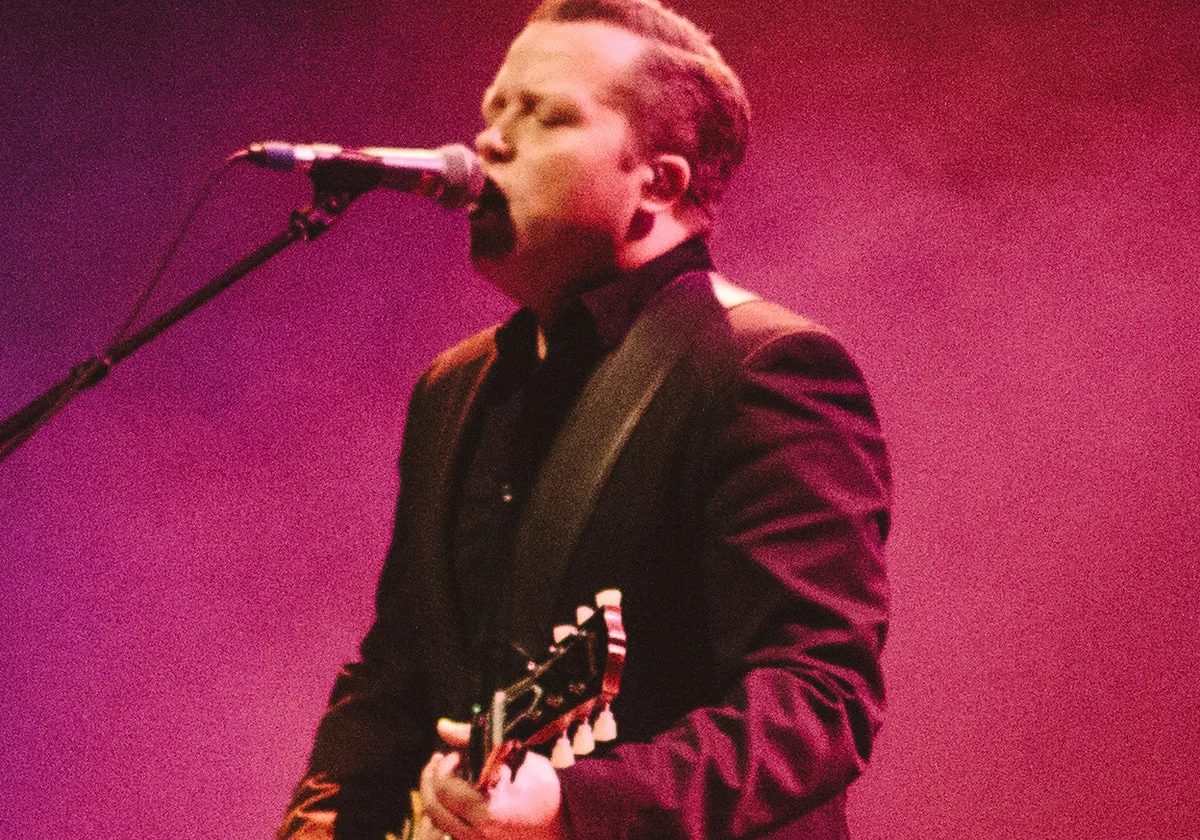
Americana promotion works best when the record has a clear musical address and a reason to leave home. The audience may discover a song through a roots-radio presenter, a support slot, a record-store recommendation, a festival bill, a songwriter clip or a trusted newsletter. Your campaign should connect those encounters rather than treating streaming, press and touring as separate worlds.
That matters because Americana is a broad meeting place for country, folk, blues, soul, rock and regional traditions. “For fans of roots music” is not precise enough. A twang-heavy bar-band single, a gospel-informed piano ballad and a desert-rock story song may share a directory category, but they need different gatekeepers, visuals and live settings.
This guide helps independent artists find that precision, rank channels, plan from D-30 to D+30 and choose a realistic spend. Use LISTN’s broader music promotion by genre guide when comparing this approach with other release lanes.
Define your Americana coordinates
Before making a media list, place the release on three axes:
- Musical lineage: Which two or three traditions can a listener actually hear? Name the elements—pedal steel, Memphis-style horns, Telecaster drive, close country harmony, blues phrasing—not just famous comparisons.
- Geographic truth: Where was the song written, recorded or road-tested? A town, studio, highway, venue circuit or regional collaborator can create a grounded angle, but do not manufacture Southern imagery if it is not part of the work.
- Present-tense stakes: Why does this song belong now? Identify the decision, conflict, character or community behind it without turning private pain into compulsory marketing.
Combine the answers in a working line: “A road-worn country-soul track about rebuilding after a closed factory, recorded live with a four-piece band from northern France.” The line tells a radio host what the record sounds like and a local editor why it may matter.
Americana imagery has accumulated familiar shorthand: motel signs, boots, old cars, empty roads and analogue grain. Use those only when they belong to your world. Specific places, working instruments and real band dynamics are more persuasive than borrowed nostalgia.
Assemble assets for radio, road and editorial
Create one release page that loads quickly and includes:
- a one-line sonic description and a 120-word biography;
- the clean, explicit and radio-edit status of the track;
- songwriter, publisher, musician, producer and studio credits;
- release date, catalogue details and territory;
- a WAV download plus private stream;
- lyrics and a short song-background paragraph;
- landscape and portrait photographs with credits;
- confirmed shows, booking contact and hometown;
- one live-band video and three distinct vertical cuts;
- relevant quotes or airplay only when verifiable.
Radio recipients need practical information, not oversized attachments. State whether the file is broadcast-ready, put artist and song in the filename, and respect each programme’s delivery method. Maintain a simple contact sheet with station, show, presenter, fit, submission date and outcome.
If the release targets the established US roots ecosystem, study it before making claims about format or charts. The Americana Music Association publishes current resources for radio stations and charts. Treat those pages as orientation: inclusion in a campaign or chart is never guaranteed, and a thoughtful relationship with an appropriate show is more valuable than indiscriminate volume.
Ordered channel priorities for Americana
Prioritise the channels that can reinforce live credibility and repeat listening.
- Roots radio and knowledgeable presenters. Build a tiered list of local, regional, online, public, college and specialist shows whose recent playlists fit the track. Send the right version, concise context and any nearby dates. Follow up once with a real update.
- Live bills and route-based partners. Support slots, listening rooms, record shops, festivals, songwriter nights and independent venues turn a release into an event. Pitch by city and date, linking one representative live performance.
- Americana, country, roots and regional media. Offer a usable angle: the recording method, a documented local story, an instrument, a producer collaboration or the route behind a tour. Match the outlet’s actual coverage rather than its broad category label.
- Email and direct-to-fan sales. Give subscribers first access to tickets, signed editions, lyric sheets, demos or a post-show note. Bandcamp’s official artist guide explains its current follower, music and merchandise tools. Promise physical products only when costs and fulfilment dates are known.
- Performance-led video. Show the band making the sound: count-in, vocal exchange, guitar tone, rhythm pocket or a stripped rewrite. YouTube’s official guidance explains how artists can organise an Official Artist Channel when eligible; follow current requirements instead of assuming every channel can be converted immediately.
- Streaming profiles and suitable playlists. Deliver early, claim artist tools and submit through official systems. Spotify’s playlist pitching guidance says only one unreleased song can be pitched at a time and explains its current timing and eligibility rules. Independent playlist outreach should be researched and never bought on a guaranteed-stream basis.
Short-form clips can support these channels, but they should reveal a song, player, place or point of view. A generic trend pasted over a roots track rarely builds the context that radio, press and ticket buyers need.
The D-30 to D+30 road map
D-30 to D-24: mark the destination
Finalise audio, credits, photography and the positioning line. Deliver the release, update your biography and confirm which live dates can anchor the campaign. Sort prospective contacts into four groups: radio, editorial, live partners and direct supporters.
Choose one geographic focus where evidence already exists—a hometown, previous ticket buyers, collaborators, station support or an upcoming route. A campaign can still be international, but a real centre makes outreach credible.
D-23 to D-17: send the advance signal
Approach long-lead writers, specialist shows and venue partners with a private link. Tailor each note around fit: a recent spin, article, bill or regional connection. Offer interviews and sessions only when you can deliver them promptly.
Film one full-band take or stripped alternate version. Capture horizontal footage for the complete song and vertical frames for discovery. Keep the lead vocal clear; a beautiful room does not compensate for unusable sound.
D-16 to D-10: connect record and road
Announce the release with confirmed dates or a specific listening event. Ask collaborators, venues and shops what assets they need rather than sending a generic pack. Pitch official streaming tools within current deadlines and check artist profiles, lyrics, credits and links.
Share one piece of process: a guitar sound, harmony rehearsal, notebook page or studio decision. Explain why it shaped the record. The objective is recognition, not constant posting.
D-9 to D-3: activate the route
Send a focused reminder to contacts who were a strong match. Contact regional calendars and local desks for towns on the schedule. Provide a short listing paragraph, image credit, ticket link and start time so the recipient can act without rewriting everything.
Email core listeners with one request: pre-save if that supports your plan, reserve a ticket, buy an edition or forward the song to someone who shares the story. Test every link and verify physical stock.
D-2 to D+3: make release week useful
Publish the song with the clearest live or narrative asset. Thank every contributor accurately. Send radio contacts the public link and clean file only when their procedure permits it. At shows, make the release visible at the merchandise table and invite listeners to join an email list without requiring it for access.
Reply to comments and messages. Save good audience language; the words listeners use may sharpen later advertising, press follow-ups and stage introductions.
D+4 to D+14: follow the response
Turn genuine signals into a second wave. If a station plays the track, thank the presenter and share the programme link where allowed. If a live clip holds attention, publish the full performance. If a regional story earns replies, offer that angle to the next town on the route.
Send one update to earlier pitches only when it adds information: new dates, a review, an acoustic session or documented airplay. Avoid attaching a manufactured urgency to a song that can grow steadily.
D+15 to D+30: convert momentum into infrastructure
Release an alternate performance, duet, lyric explanation or tour-room version that deepens the original record. Invite recent buyers and attendees to the mailing list, next show or catalogue. Thank venues and peers publicly when appropriate, then support their work beyond your campaign.
Review data by channel: replies and spins from radio, article referrals, video retention, saves, direct sales, email growth, ticket movement and new opportunities. Note which descriptions and locations worked. Your next release should begin with those relationships, not another blank spreadsheet.
€0 budget: work the map you already have
Concentrate on your strongest town, route and community. Record a live take in a rehearsal room, create a clean one-page kit and research contacts manually. Trade a support slot, guest vocal, photograph or shared bill with peers rather than asking for vague “cross-promotion.”
Use email, direct messages and in-person shows to learn which story listeners repeat. Free promotion costs time, so protect it: ten accurate radio pitches and five serious venue conversations are better than hundreds of untargeted messages.
€100 budget: remove one credibility gap
Spend where the campaign currently looks or sounds least ready. Options include a clean live-video audio mix, professional photo selects, fuel for one strategic regional show, a small poster run, captions and edits, or postage for physical copies requested by stations.
Keep receipts and define the intended result before paying. “A broadcast-ready live video for radio follow-up and bookings” is measurable; “more exposure” is not. Avoid paid services that promise press, spins or playlists without transparent methods.
€500 budget: join media, radio and the road
One practical allocation is €180 for a live session, €120 for regional travel and a release show, €100 for photography or design, €50 for physical promo and €50 held for follow-up. Another artist may spend more on radio-ready audio and less on visuals. Fund the bottleneck that prevents a strong song from reaching the right room.
If you run ads, reserve a limited test for warm viewers, mailing-list lookalikes where legally and technically available, or cities with confirmed shows. Use one conversion goal. Stop placements that produce cheap views but no meaningful listening, ticket or subscriber action.
Americana campaign errors to avoid
- Using “authentic” as a substitute for detail. Show the players, place, credits and choices; do not declare credibility.
- Flattening every influence into vintage Americana styling. Explain what comes from country, soul, blues, folk or rock and how you have made it your own.
- Sending album-length attachments to radio. Follow the programme’s instructions and identify the focus track.
- Claiming regional roots you do not have. A truthful outside perspective is stronger than invented geography.
- Announcing a tour before the route is confirmed. Promote dates with working ticket links and accurate venue information.
- Treating a support slot as content extraction. Be a useful bill partner, respect the headliner and stay for the community.
- Buying “guaranteed” streams, charting or reviews. Credible coverage and airplay cannot be guaranteed.
- Ending work on release day. Americana records often need repeated live, radio and direct-fan encounters.
Americana release checklist
- The positioning line identifies sound, place and present-tense stakes.
- Master, radio status, metadata, lyrics and credits are correct.
- Private stream, WAV and photographs are easy to access.
- Live dates and ticket links are confirmed before pitching them.
- Radio research includes recent programme fit and submission rules.
- Press angles are specific to the outlet or region.
- Full performance video and vertical excerpts have clear audio.
- Streaming profiles and official pitches follow current requirements.
- Merchandise quantities and fulfilment dates are realistic.
- D+30 review records airplay, replies, sales, audience growth and bookings.
Build a campaign that can travel
The best Americana release plans make the record useful in several settings without changing its identity. A precise story helps the presenter introduce it, the venue place it on a bill, the writer find an angle and the listener carry it to the next person. Build from real geography and musicianship, then keep showing up after launch week.
Research potential partners through LISTN’s top Americana record labels guide. When the assets and targeting are ready, pitch your Americana release through LISTN with a short description, complete credits and the strongest evidence that the song already works in the world.