
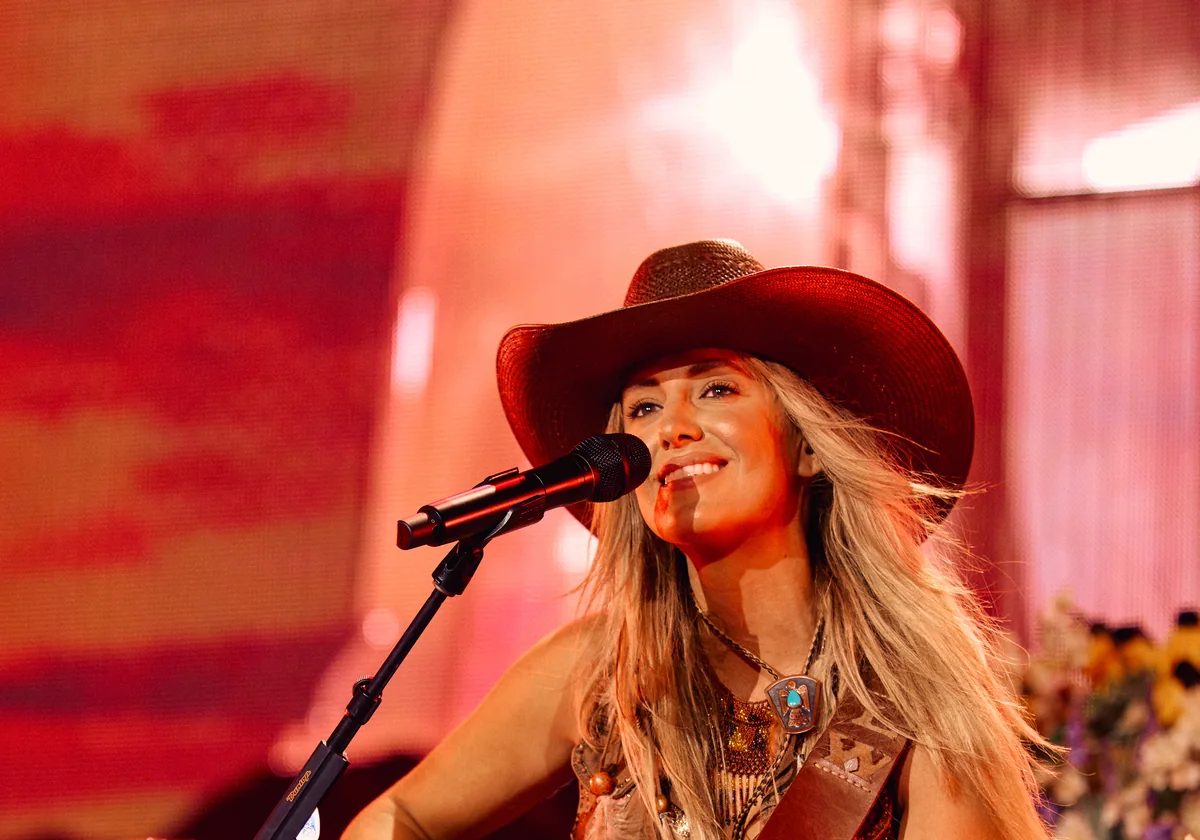
Country promotion works when listeners can place a song inside a life: a town, a relationship, a hard decision, a Friday night or a long drive home. A release campaign should make that world easier to enter without reducing the artist to a hat, a truck or a generic “authentic” caption.
This playbook is for independent country artists across traditional, contemporary, outlaw, country-pop and roots-adjacent lanes. It turns one release into a focused 60-day campaign, from D-30 through D+30. For comparisons with other styles, start with our music promotion by genre guide.
1. Position the song before choosing channels
Write one useful positioning sentence:
For listeners who connect with [specific emotional situation], [song title] is a [country lane and tempo] song about [clear story], distinguished by [voice, instrument or point of view].
“Country song about love” is too broad. “A mid-tempo neo-traditional song about calling an old flame from the parking lot, led by fiddle and a restrained baritone” gives a radio host, playlist curator and fan something concrete to remember.
Decide three things before producing content:
- The country lane: neo-traditional, honky-tonk, country-pop, outlaw, red dirt, bluegrass-influenced or another accurate description. Use adjacent artists only as reference points, not as promises that you sound identical.
- The human scene: the exact moment the song captures. Build the campaign around that scene rather than unrelated trends.
- The proof: a live performance, a writing-room anecdote, an instrumental detail or a real regional connection. “Independent country artist” is context; it is not the story by itself.
Prepare clean and explicit masters if the lyric requires them, instrumental and radio edits where genuinely useful, complete credits, lyrics, a square cover, vertical performance footage and a concise bio. Do not claim radio readiness until the audio, metadata and contact details are final.
2. Prioritize channels in this order
A small team should not post everywhere equally. Work through these priorities and expand only when the previous layer is credible.
- Existing fans and owned contacts. Email and SMS subscribers, past ticket buyers, hometown supporters and followers who already respond are the likeliest people to save, share or attend. Give them the story and a direct action, not five links at once.
- Short live-performance video. Country audiences need to hear the voice and lyric. Record the chorus, the title line and one stripped verse in a stable, well-lit frame. A kitchen, porch, rehearsal room or stage can work when it belongs to the artist’s real world. YouTube explains how artists can connect official music videos, Shorts and other content through an Official Artist Channel, while TikTok’s Artist Account features are designed to identify artists and highlight releases where available.
- Country and regional radio. Research shows by programme, market and subgenre: independent country shows, Americana programmes, local commercial specialty slots, college stations and community radio. Pitch a specific song with clean metadata and a local or programming reason. Follow each station’s submission rules; never mass-email a scraped list.
- Streaming editorial and independent playlists. Pitch the unreleased track in Spotify for Artists with enough lead time for editors to review it; Spotify documents the process in its official playlist pitching guide. Then approach independent curators whose recent selections genuinely match the song. Avoid paid placement presented as editorial.
- Venues, writers and scene partners. Songwriter rounds, dance halls, listening rooms, regional festivals, record shops, western-wear businesses or rural community partners can give the campaign a physical anchor. Propose a useful collaboration—a performance clip, ticket bundle or local premiere—not a vague “partnership.”
- Press and country media. Pitch the angle, not merely the release date: an unusual co-write, a regional tradition, a production choice or a story with broader relevance. Read recent coverage before contacting a publication.
- Paid media. Use ads only after an organic clip demonstrates attention or the campaign has a measurable goal such as local ticket sales, video views from a defined audience or retargeting engaged visitors.
3. Build assets around the lyric
Create one “hero” performance video and cut it into several distinct pieces:
- the chorus with on-screen lyrics;
- the line that contains the central decision or twist;
- a short explanation of where that line came from;
- an acoustic or one-mic version that proves the song works without production;
- a musician-focused clip on the steel, fiddle, guitar, banjo or rhythm part;
- a geographically relevant clip if the place is real and important to the song.
Do not upload the same excerpt with six captions. Each piece should answer a different question: What happened? Why was it written? How does it sound live? What should the listener notice? Keep visual branding consistent, but let performances breathe.
For streaming profiles, update the bio, photos and links before release day. Apple provides official guidance on managing an Apple Music for Artists profile, and Spotify’s artist profile guidance covers profile tools. Platform features change, so verify current availability rather than building the campaign around one temporary feature.
4. Country release timeline: D-30 to D+30
D-30 to D-22: Set the story
- Lock the master, title, credits, lyrics, release date and artwork.
- Deliver to the distributor and confirm every artist role and songwriter credit.
- Write the positioning sentence, 80-word bio and two pitch versions: a short radio note and a fuller press note.
- Build a private link containing stream/download, clean version if applicable, artwork, lyrics and contact details.
- Map 25–40 qualified targets by lane, region and format. A smaller researched list is better than hundreds of unrelated contacts.
- Film the hero performance and at least four supporting clips.
D-21 to D-15: Start human conversations
- Submit the streaming editorial pitch through the platform’s artist tools.
- Contact radio shows and trusted curators according to their published instructions.
- Send priority media pitches individually, leading with the strongest story.
- Reveal the cover and opening lyric or scene to existing fans.
- Confirm a release-night set, songwriter round, livestream or hometown activation.
D-14 to D-8: Demonstrate the song
- Publish the strongest live excerpt, then answer comments in the artist’s own voice.
- Share the writing or recording story without over-explaining every lyric.
- Ask collaborators and musicians to post assets that fit their audiences.
- Follow up once with high-fit contacts who have not replied; add new information, not “just checking in.”
- Prepare release-day links and test them on mobile.
D-7 to D-1: Concentrate attention
- Post the title-line or chorus clip and make the release date unmistakable.
- Email owned fans with one main action: pre-save if useful, attend the event or set a reminder.
- Send radio contacts a brief final service note with the correct link and metadata.
- Schedule, but do not fully automate, release-day posts and replies.
- Save a small bank of unseen footage for after release.
D0 to D+7: Release and respond
- Check that the recording, artist profile, credits and links are correct everywhere.
- Publish the hero video and pin a clear listening link.
- Thank supporters individually where practical; reshare meaningful fan and venue posts with permission.
- Send a concise “out now” update to previously engaged radio, press and curators. Do not restart the entire cold pitch list.
- Track signals by source: meaningful video retention, saves, replies, radio confirmations, email clicks and ticket interest—not streams alone.
D+8 to D+21: Give the record a second doorway
- Release the one-mic, acoustic or full-band performance.
- Highlight an instrument, co-writer or producer to reach a different but relevant audience.
- Pitch a local show or regional angle using any genuine coverage or airplay as context, never as inflated proof.
- Retarget people who watched or visited if paid media is in use.
- Ask fans which lyric or version connected, then turn real answers into the next piece of content.
D+22 to D+30: Close the loop
- Share a final story-led clip or live recap instead of declaring the song “old.”
- Log who opened, replied, aired, covered or supported the release.
- Thank contacts without immediately asking for another favour.
- Compare results with the campaign goal and write three lessons for the next single.
- Move responsive listeners into an owned email or SMS relationship with clear consent.
5. Budget plans
€0 budget: Performance and relationships
Use a phone, daylight and a quiet room to capture one convincing live take. Spend time on target research, direct fan messages, local programme submissions and collaborator swaps. Build a simple private pitch folder with existing tools. The trade-off is reach: with no spend, consistency and personal relevance must do the work. Do not compensate by spamming.
€100 budget: Improve the first impression
A sensible split is €40 for a rehearsal room, simple light or audio accessory; €30 for local travel or a modest performance opportunity; and €30 to test the best-performing vertical clip with a tightly defined regional or interest audience. Reallocate according to what you already own. Do not spend all €100 on unproven playlist offers.
€500 budget: Create leverage, not vanity
Consider €180 for a properly recorded live session, €120 for an editor or designer to produce strong cut-downs, €120 for measured ads behind a proven clip or ticketed event, and €80 for travel, postage or release-show materials. If live video is already excellent, shift money to a regional publicist consultation or radio support provider only after checking references, deliverables and reporting. Payment can buy skilled work and distribution; it cannot guarantee coverage, airplay or fans.
6. Country-specific mistakes to avoid
- Performing a costume instead of a point of view. Borrowed clichés are easy to spot. Let accent, clothing, locations and symbols reflect the artist rather than a marketing template.
- Treating all country formats as one audience. A red dirt programme, mainstream country curator and bluegrass show may require different songs and context.
- Hiding the song behind lifestyle content. Trucks, boots and backstage footage cannot replace a clear vocal performance.
- Ignoring clean metadata and radio edits. Stations need a dependable file, title, artist name, duration, contact and content warning where relevant.
- Claiming roots you do not have. Never invent a hometown, working-class biography, family history or scene endorsement.
- Buying opaque playlist or radio “guarantees.” Ask how selection works, where the audience comes from and what reporting is provided. Walk away from guaranteed editorial language or suspicious streams.
- Stopping on release day. Country records often gain meaning through live versions, lyric context and repeated community contact.
If label research is part of your longer-term plan, use our guide to country record labels as a starting map, then verify current rosters and submission policies on each label’s official channels.
7. Final country release checklist
- One precise positioning sentence names the story, lane and distinguishing feature.
- Master, clean version if needed, credits, lyrics and artwork are final.
- Distributor delivery and artist-profile access are confirmed.
- Hero live performance and four genuinely different clips are ready.
- Radio, playlist, media and venue targets are researched and segmented.
- Streaming editorial pitch is submitted through official tools.
- Private listening link and contact details work on mobile.
- D-30 to D+30 calendar includes post-release content.
- Every paid activity has a goal, cap and measurement method.
- No pitch contains invented achievements, endorsements or guarantees.
- Supporters and professional contacts receive a thoughtful follow-up.
- Campaign lessons are recorded for the next release.
A good country campaign makes the song’s world tangible, then invites the right listeners into it through performance, radio, local relationships and patient follow-up. Once the release and pitch materials are ready, submit your music through LISTN to explore relevant radio opportunities. Keep the targeting honest and the story specific—the relationship you build around this single should still matter when the next one arrives.