
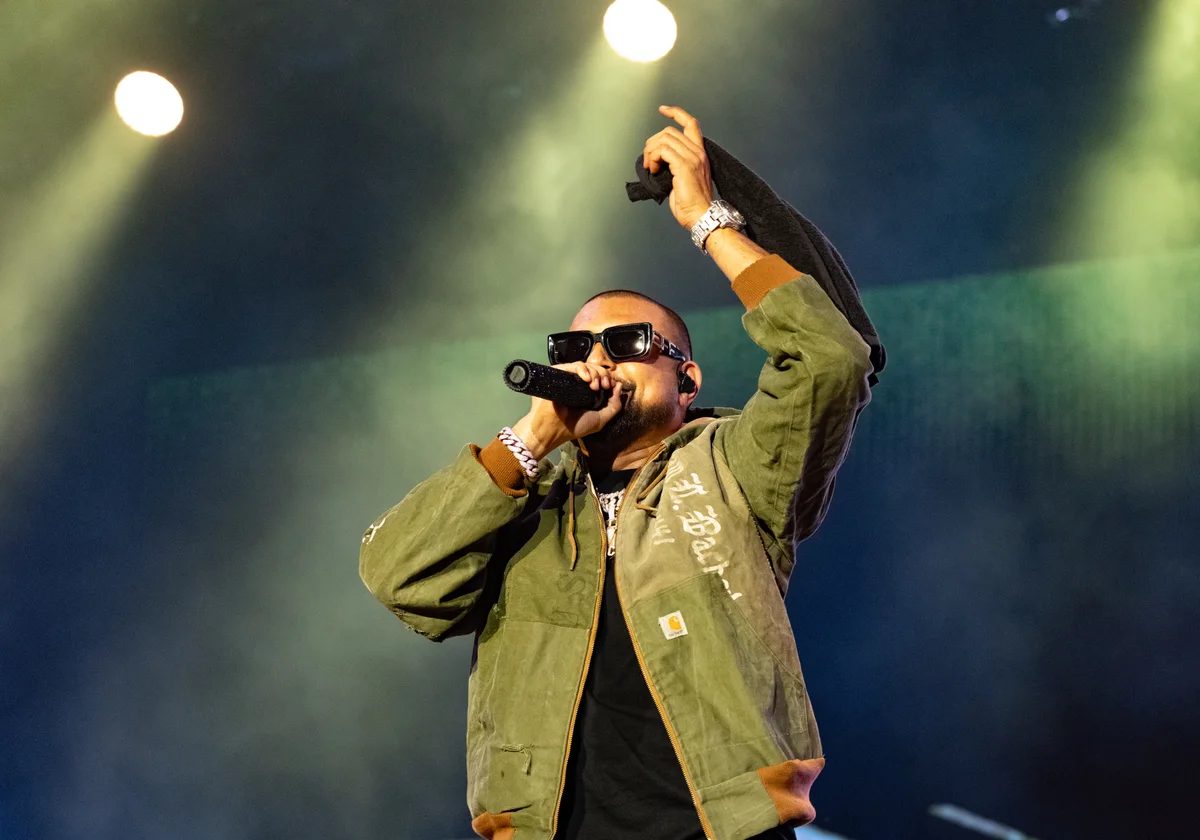
Dancehall promotion works when a record can move through three connected spaces: the session, the phone and the diaspora. A track may first prove itself when a selector plays it, then gain a recognisable moment through short-form video, and finally travel through YouTube channels, radio shows and community pages. Treating dancehall as generic pop with a Caribbean visual filter misses that circulation.
This playbook is for an independent artist or team planning one release. It does not promise virality or playlist placement. It gives you a way to make the song easy to understand, easy to play and easy for the right people to share. For a wider comparison of genre campaigns, start with our music promotion by genre guide.
Position the record before promoting it
Write one sentence that describes the track without inflated adjectives. Include its energy, likely setting and strongest musical cue. For example: “A late-night dancehall cut built around a call-and-response hook and a sparse, bass-heavy riddim.” That sentence is more useful to a selector or editor than “the next global smash.”
Then answer four practical questions:
- Which lane does it occupy? Club-forward, romantic, conscious, street, crossover or another clearly defined lane?
- What is the usable moment? Identify the cleanest eight-to-fifteen-second hook, dance cue, lyric or instrumental switch.
- Who is the first audience? Name specific cities and communities instead of claiming “everyone”: Kingston listeners, a London dancehall crowd, Caribbean communities in Toronto, or dancers already engaging with your collaborators.
- What proves authenticity? Credits, collaborators, language, dance context and artwork should reflect the actual record. Do not manufacture a Jamaican connection that the music and team do not have.
Prepare a one-line description, a 70-word pitch, full master, clean edit, instrumental and correctly labelled DJ file. Confirm permissions for the riddim, samples, beat and artwork; YouTube explains how copyright affects uploads.
Channel priorities, in order
1. Selectors, sound systems and specialist DJs
Start with people who already play your lane. Build a short list from actual sets, radio archives, event bills and public submission instructions. Send an individual note stating why the track fits, plus a private stream and optional download. Mention the clean version and instrumental. Do not attach a large unsolicited file.
A useful response is not only a public post. Private DJ feedback can reveal whether the intro is too long, the low end translates badly or the hook arrives too late. Ask permission before quoting anyone. Follow up once with new context—release availability, a dubplate option you can genuinely deliver, or a strong live clip—not “just checking.”
2. YouTube and performance-led video
Dancehall discovery is visual and performance-oriented. Publish an official video, visualiser, street performance, rehearsal or one-take vocal depending on your resources. Cut vertical clips around distinct moments rather than repeatedly posting the same chorus. Add accurate titles, credits, lyrics where available and links to the release. YouTube’s own guidance recommends using descriptive titles and thumbnails that accurately represent the content.
3. TikTok, Reels and community participation
Short-form content should expose a repeatable action or emotion in the song. That might be a call-and-response line, transition, waistline pattern, facial reaction or sound-system reveal. Give creators room to interpret it. Avoid scripting dozens of identical “organic” posts; audiences recognise forced behaviour.
For paid or incentivised creator work, agree on credit and usage, and require clear disclosure. TikTok describes its branded-content disclosure settings, while Instagram sets out paid partnership labelling requirements.
4. Diaspora radio, blogs and local pages
Segment outreach by territory. A UK radio presenter, a Jamaican culture page and a Toronto event platform have different programming needs. Give each one a relevant angle: local collaborator, upcoming appearance, language, production story or community connection. Search their current output before pitching, respect the stated format and never invent prior support.
Provide radio with a clean edit, runtime, release date and credits. Offer blogs a strong still and a real story: how the riddim was built, the artist-dancer exchange or the record’s place in a longer project.
5. Streaming editorial and listener conversion
Deliver early enough to claim profiles and check metadata. Spotify asks artists to pitch an unreleased song through Spotify for Artists and notes that pitching at least seven days before release also places that song in followers’ Release Radar. A pitch is consideration, not a placement guarantee.
Use one public destination link but send DJs a private promo package. Never buy streams or playlist inclusion; Spotify states that services guaranteeing streams or placement violate its terms.
D-30 to D+30: a six-week dancehall release sequence
D-30 to D-22: lock the foundation
Confirm masters, rights, credits, artwork, metadata and distributor delivery. Write your positioning sentence and identify the primary territory. Build three small contact lists: selectors/DJs, media/radio and dancers/creators. Prepare private links and versions. Film a performance master plus reusable vertical footage.
D-21 to D-15: seed trusted ears
Send tailored DJ promos and ask a few trusted people for private playback feedback. Pitch streaming editorial once the release appears in artist dashboards. Brief paid collaborators in writing. Introduce the song with studio or riddim context rather than exhausting the main hook.
D-14 to D-8: make the moment legible
Publish the cover and release date. Share the first hook clip and a contrasting performance clip. Give confirmed dancers or creators the correct audio and credit language. Pitch specialist radio and editorial outlets with territory-specific notes. Correct any metadata problems now.
D-7 to D-1: concentrate attention
Post the strongest teaser, pin release details and confirm premiere timing. Remind DJs who showed interest; do not resend the entire list. Schedule email and community messages. Test every link on mobile. Prepare comments and repost assets so collaborators are acknowledged quickly.
D0 to D+7: release and respond
Publish the main video with visible credits. Repost meaningful participation, answer comments and update warm contacts once. Record only verified plays or DJ support, and review retention rather than judging by view count alone.
D+8 to D+30: build a second wave
Release a dancer cut, acoustic/performance variation, behind-the-riddim clip or remix announcement if it adds value. Target the territory showing genuine response. Thank supporters individually. Review which clips generated watch time, shares, profile visits and link clicks. Document learnings for the next release instead of continuing weak posts indefinitely.
A €0 dancehall promotion plan
With no media budget, focus on preparation and direct relationships. Create one strong phone-shot performance in good light, three clean vertical edits and a simple lyric card. Research 20 genuinely relevant DJs or presenters and contact them individually. Invite one dancer or collaborator only if the exchange is fair and mutually useful; “exposure” is not payment.
Spend time on metadata, captions and follow-up. Choose one primary territory and one main video idea rather than scattering attention.
A €100 dancehall promotion plan
Keep the free plan, then use the budget to remove one quality bottleneck. Sensible options include paying a dancer for a clearly scoped performance clip, booking a short rehearsal/studio session, commissioning cover adaptations for vertical formats, or running a small ad test on the best-performing organic clip.
Do not split €100 across vague boosts. If you advertise, define one action and target a location where the song has context; paid reach is not fan loyalty.
A €500 dancehall promotion plan
At €500, build a compact package rather than buying promises. One example allocation is €180 for a dancer-led or performance shoot, €100 for editing and captions, €100 for a territory-specific ad test, €70 for artwork versions or photography, and €50 contingency. Adjust to your team’s strengths; if you can edit well, move that money into performance, styling or a second shoot.
A publicist or radio plugger should provide scope, territories and reporting in writing. Payment buys work, never guaranteed coverage, plays or placement.
Dancehall campaign mistakes that weaken good records
- Ignoring selector utility. A long ambient intro, missing clean edit or badly labelled file makes the track harder to test in a set.
- Confusing dancehall with a costume. Borrowed patois, flags or stereotypes cannot replace musical and cultural grounding.
- Using dancers as props. Credit, tag and compensate choreography and performance according to the agreement.
- Targeting the entire Caribbean diaspora as one audience. Cities, islands, generations and scenes differ; tailor the story.
- Buying unverifiable “DJ blasts.” A giant contact count says nothing about fit, consent or listening.
- Abandoning the record after release weekend. Dancehall records can find context through sessions and creator interpretations after D0; keep a useful second asset ready.
- Chasing a challenge before identifying a real hook. A clear lyric, movement or transition matters more than the word “challenge.”
Pre-release checklist
- Positioning sentence names the lane, energy and setting.
- Master, clean edit, instrumental and DJ files are correctly labelled.
- Riddim, sample, artwork and video permissions are confirmed.
- Credits and lyrics are accurate across distributor and video assets.
- Selector, creator and media lists are researched and segmented.
- Main video plus at least three distinct vertical cuts are ready.
- Paid collaborations include fee, disclosure, credit and usage terms.
- Spotify editorial pitch is submitted while the track is unreleased.
- Release links work on mobile and the private DJ link is separate.
- D+7 and D+21 follow-up assets have a clear purpose.
- Reporting tracks meaningful actions, spend and verified support.
Turn the plan into focused outreach
Study the identities and current catalogues in our guide to the top dancehall record labels in 2026; use it for research, not mass emailing. When your positioning, assets and target list are ready, you can build a focused campaign with LISTN to put the release in front of relevant music professionals. Keep the pitch specific: one record, one story, the right lane and evidence that your team understands where dancehall actually moves.