
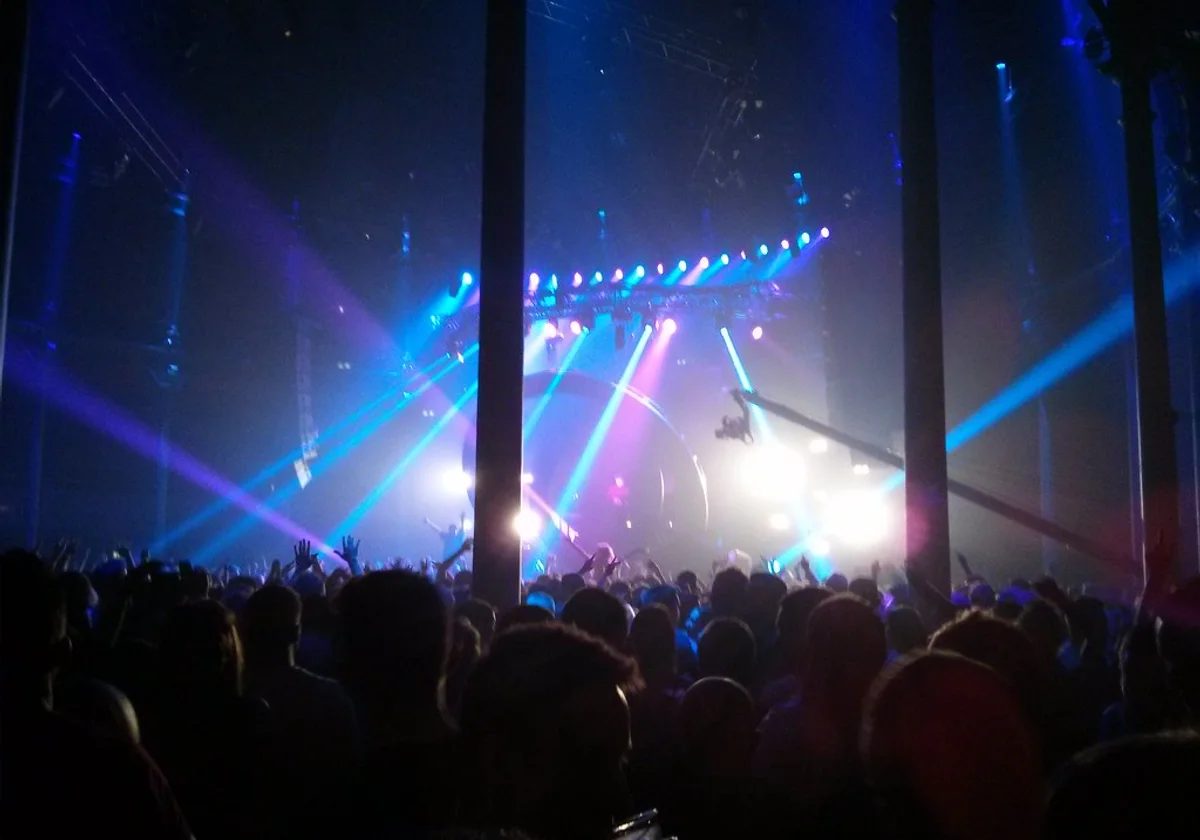
Drum and bass promotion works best when it helps the right selector understand a record quickly. A technically strong track can still disappear if its campaign does not say whether it is a peak-time roller, a jump-up weapon, a vocal crossover record, a dark stepper or something deliberately harder to classify. The first job is not to reach everyone. It is to make the track legible to the listeners, DJs and curators most likely to care.
This playbook covers the month before release through the month after it. For a wider comparison with other scenes, use the music promotion by genre guide. If label research is part of your plan, the drum and bass record label guide provides a current starting list.
Position the track for its real listening context
Begin with one sentence that joins sound, setting and listener. “A tense, stripped-back roller for late club sets” is useful. “A massive DnB banger for everyone” is not. The useful version tells a DJ where the record might sit, gives a radio producer language for an introduction and guides the clips you make.
Listen to the final master in three situations: headphones, a small speaker and a continuous DJ mix. Note what remains memorable in each. It may be the bass movement, a vocal phrase, a switch at the second drop or the tension before impact. That moment should lead your teaser, while the DJ version must still provide practical mix-in and mix-out space.
Prepare a compact campaign pack:
- mastered WAV plus a correctly labelled radio edit when the original needs one;
- artwork in square and vertical formats;
- track title, artist spelling, credits, release date and territory notes;
- a one-sentence position and a 70–100 word story;
- clean private stream and download links;
- timestamps for the intro, first drop, switch and strongest short-form moment;
- contact details and permission information for any vocal or visual collaborators.
Do not call a record “neurofunk,” “dancefloor,” “jungle-influenced” or “jump-up” merely to borrow an audience. Use the tag only when the arrangement, sound palette and reference set support it. A precise adjacent description is more credible than a fashionable but inaccurate label.
Channel priorities, in order
1. DJs and specialist radio
Drum and bass still makes sense in sequences: a DJ or presenter can demonstrate how a tune behaves alongside other records. Start with selectors whose recent sets or shows reveal a genuine fit. A list of 25 researched names is stronger than hundreds of addresses gathered without context.
Lead with the track, not your biography. Include the private link, release date, two relevant descriptors and one reason for contacting that person. For a DJ, mention mix utility or the section that changes the energy. For radio, flag a clean edit and concise story. Never imply support before it is confirmed, and do not publish a DJ’s private reply without permission.
2. Short-form performance and production clips
Use vertical video to reveal the record rather than merely announcing it. Show a transition into the drop, isolate the bass-and-drums relationship, compare an early arrangement with the master, or film a controlled crowd test if you have the right to use the footage. Put the recognisable musical event early; an unknown artist rarely earns a long spoken preamble.
Make several edits from one session: a direct drop, a studio explanation, a DJ transition and a vocal-led cut. Change the opening frame and caption instead of reposting an identical asset every day. The goal is to learn which aspect attracts the correct audience, not to manufacture empty volume.
3. Streaming editorial and independent playlists
Deliver the release early enough to access platform tools. Spotify’s official guidance says an unreleased song should be pitched to its editors at least seven days before release; doing so also places that selection in followers’ Release Radar, subject to the platform’s process (Spotify for Artists). Treat that as a deadline, not a promise of editorial placement.
Research independent playlists by listening, checking recent updates and confirming that your sub-style belongs there. Avoid anyone guaranteeing streams or charging for a fixed number of plays. Spotify states that paid third-party services guaranteeing streams or playlist placement violate its terms and may lead to withheld royalties or corrective action (Spotify for Artists).
4. Owned audience and scene media
Email, direct messages and community posts give context that an algorithmic feed may not. Share the production decision behind the tune, an annotated tracklist from a mix, or a short note about the night that influenced it. Specialist blogs, channels and event communities should receive an angle appropriate to their audience, not the same generic press paragraph.
D-30 to D+30 campaign plan
D-30 to D-22: define and prepare
Lock the master, metadata, artwork and release date. Write the positioning sentence, identify the strongest 15-second and 30-second passages, and make the private listening page. Build four contact groups: core DJs, development DJs, specialist radio and media or creators. Add a fit note beside every name.
Record the vertical source material now. Capture clean audio separately where possible, and obtain consent from anyone identifiable in footage. Prepare links with consistent artist and track spelling.
D-21 to D-15: start selector outreach
Send personal advance messages to the smallest, best-matched DJ and radio group. Space them over several days so replies can be handled properly. If the track contains a dramatic switch, point to its timestamp; if it is a steady roller, explain the role it can play in a set.
Upload and pitch the unreleased track through the available artist dashboards. Give editors concrete musical and cultural context. “174 BPM dancefloor DnB with a sung hook and a half-time bridge” is more useful than unsupported superlatives.
D-14 to D-8: test the public story
Publish the first two contrasting clips. Compare watch quality, saves, comments from relevant listeners and visits to the release page—not just raw views. Send one polite follow-up to priority contacts who have not answered; do not turn silence into a daily sequence.
Reveal the artwork and release date. Ask collaborators to schedule distinct posts so every account contributes a reason to listen rather than duplicating one caption.
D-7 to D-1: concentrate recognition
Share a DJ-transition clip, a production detail and the clearest preview of the hook or drop. Confirm that the release link, profiles, credits and smart link work on mobile. Provide confirmed supporters with final assets, but let them choose whether and how to post.
Prepare release-day messages in advance. Separate a listener post from a DJ-download reminder; they serve different needs.
D0 to D+7: release and respond
On release day, lead with the strongest musical asset and one clear listening link. Thank confirmed supporters individually. Repost only material you have permission to use and label old crowd footage honestly rather than presenting it as release-day reaction.
During the week, publish evidence with context: a clip from a show, a recorded radio timestamp, a playlist addition or a listener-made mix. Do not inflate weak signals. Reply to useful comments, note which sub-style language attracts the right people and send the final master to late but credible contacts.
D+8 to D+30: create a second reason to care
Extend the campaign with a studio breakdown, alternate drop, guest mix, remix announcement or live transition. Choose one that genuinely adds information. A continuous 20-minute mix featuring the track can demonstrate its musical neighbourhood better than another cover-art post.
At D+30, record which contacts listened, which assets produced qualified actions, where listeners came from and what should change next time. Preserve relationships: send relevant new music later, not weekly reminders about the same release.
Realistic budgets: €0, €100 and €500
€0: time and precision
Use free editing tools, record four strong clips in one session and research contacts manually. Spend the budget of attention on 25 tailored pitches, a platform editorial submission, direct messages to existing listeners and a guest mix for a suitable small channel. Keep a simple spreadsheet of sends, replies and confirmed outcomes.
€100: remove one presentation weakness
A sensible split is €40 for a clean vertical shoot setup or edit, €35 for artwork adaptations and €25 for a small, tightly targeted test on the best organic clip. If your visuals are already strong, move the money to mastering feedback or a radio edit. Do not divide €100 across five vague services.
€500: build reusable campaign assets
One example is €180 for a focused video session, €120 for editing multiple cuts, €100 for artwork and motion assets, and €100 for controlled audience tests. Another artist may put more toward a publicist with genuine DnB relationships, but only after confirming deliverables, target outlets and reporting. No allocation should purchase guaranteed streams, guaranteed placement or fabricated engagement.
Drum and bass mistakes that weaken campaigns
- Sending the wrong version. A DJ may need a full-quality club master; radio may need a clean, shorter edit. Label both clearly.
- Hiding the useful timestamp. If the second drop is the main event, make it easy to find.
- Treating all DnB as one audience. A liquid programme, a jump-up channel and a neurofunk selector make different choices.
- Using festival footage as false proof. Archive visuals can set a mood, but identify them accurately.
- Overloading the drop. A clip heard on a phone may communicate the vocal, rhythm or transition better than sub-bass alone.
- Chasing famous DJs first. Scene-building often begins with reachable selectors who consistently play your exact lane.
- Stopping after release weekend. Sets, radio archives and mixes can surface weeks later; leave room to respond.
Final checklist
- Positioning sentence names sound, setting and listener.
- Master, radio edit, metadata and artwork are final and consistent.
- Private stream and WAV download work on mobile.
- DJ, radio, playlist and media lists are separated by fit.
- Platform pitch is submitted before the official deadline.
- Four or more distinct short-form edits are ready.
- Release-day links and profiles have been tested.
- Every claimed support is confirmed and shareable.
- Spending avoids guaranteed streams or placement.
- D+7 and D+30 reviews are scheduled.
The best drum and bass campaign behaves like a good set: it establishes context, earns attention and reveals another reason to stay. Start with selectors and listeners who understand the record, then let credible support widen the circle. When the assets and targets are ready, build a focused LISTN campaign around the release.