
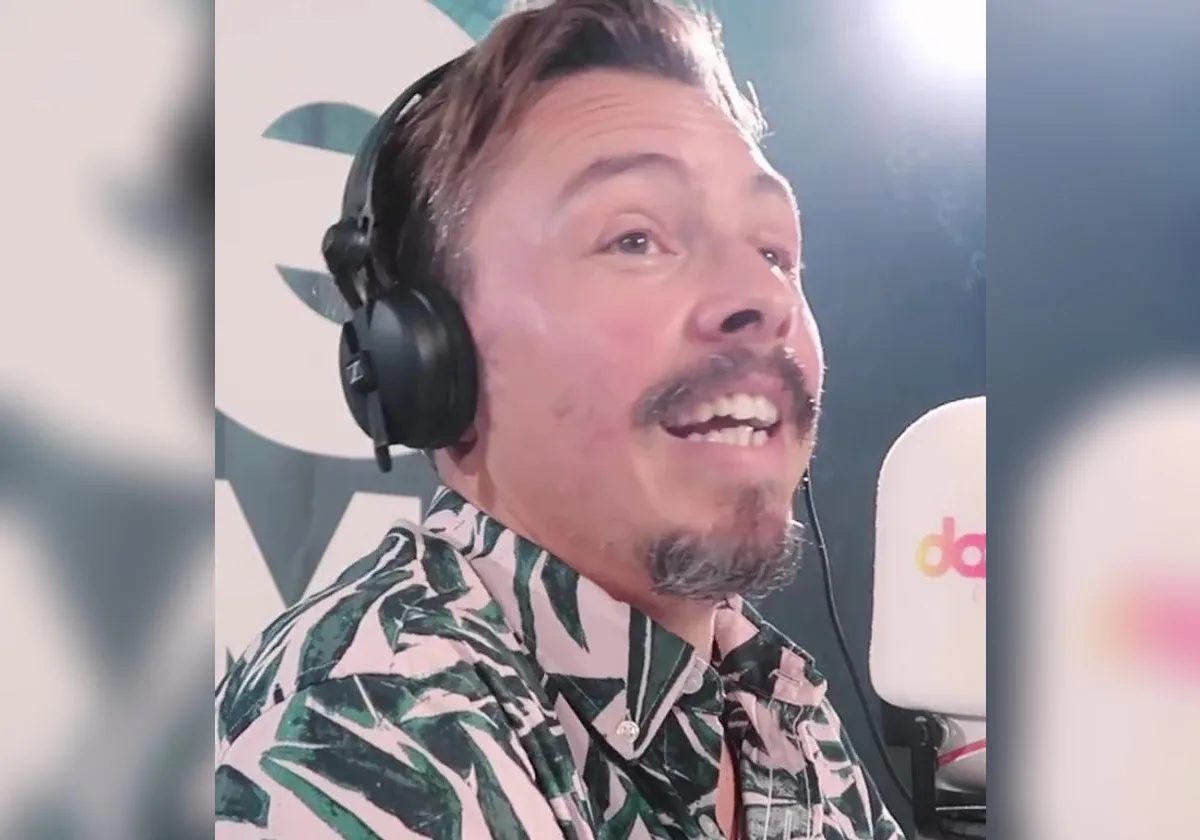
Funky house promotion works when the campaign feels as immediate as the record: a recognisable groove, a human musical detail and a moment people can imagine on a dancefloor. A broad “new house track out now” message hides the things that make this lane distinctive. Your campaign should foreground the bass movement, disco or funk sample, guitar chop, brass stab, vocal refrain or live-player energy that gives the track its identity.
This guide turns those assets into a focused release plan. For a wider overview of related styles, start with music promotion by genre. If label research is part of your strategy, use the funky house record labels guide to understand fit before submitting.
Position the record for its real listener context
“Funky” can describe several records that behave differently. One may be a filter-house tool built around a loop; another may be a polished vocal song with disco strings; a third may lean into jackin’ drums and chopped soul. Choose one primary lane rather than trying to represent all of them.
Write a one-sentence positioning line that joins sound, use case and reference point without claiming equivalence: “A bright, bass-led funky house cut for sunset terraces and warm-up sets, driven by clipped guitar and a short call-and-response vocal.” This is more useful to a DJ or curator than a list of adjectives.
Then prepare three audience views:
- The DJ view: BPM, key, intro length, clean or explicit status, mixability and the section that changes the room.
- The listener view: the lyric, riff or visual gesture someone can remember after one play.
- The curator view: the specific show, playlist or content format where the track belongs.
Supply a radio edit and an extended mix only when each has a purpose. Name files clearly, keep metadata consistent and make private streams easy to audition. Do not send a six-minute club mix to every lifestyle editor, or a short edit to a DJ who needs a usable intro. A small, intentional package signals that you understand the recipient.
Channel priorities, in order
1. Specialist DJs, selectors and record pools
Funky house is proven in transitions, not just in isolated streams. Begin with DJs who already program disco house, jackin’ house, nu-disco or groove-led house at the energy level your record needs. Build a compact list from real set histories, tracklists, radio archives and recent posts. A smaller list with evidence of fit beats a scraped database.
Lead with one sentence about the record, one sentence explaining why it suits that selector, and a private stream or download. State BPM and version. Ask for consideration, not guaranteed support, and log whether the response mentions the groove, vocal, arrangement or mix. That feedback can guide the next wave.
2. Hook-first vertical video
Use short video to demonstrate the record’s physical idea. Film a bassist replaying the line, isolate the guitar chop before the full drums arrive, show the sample-free recreation process, or cut between an empty room and the chorus lift. The opening frame should make sense without an explanatory caption.
Create several distinct edits rather than reposting one clip. YouTube describes Shorts as vertical short-form video and documents the format in its official Shorts help; use the format to test a musical moment, not to imply that posting alone will create reach. Keep visual rights as clean as the audio rights.
3. DSP pitching and listener conversion
Deliver early enough to claim profiles, check credits and submit eligible unreleased music. Spotify’s official process allows artists to pitch an upcoming song to editors through Spotify for Artists, and its playlist pitching guidance explains that pitching does not guarantee placement. Describe instrumentation, mood and culture honestly. “Disco guitar, elastic bass and a celebratory vocal hook” is more actionable than “summer banger.”
After release, point people to one clear destination. Save gates and multiple forced actions add friction; use them only when the exchange genuinely benefits fans.
4. Dance radio, mix shows and genre media
Target shows that play full tracks and hosts who discuss production, edits or disco lineage. Offer a clean edit, a short factual note on the musical source and an artist quote. If the record uses a sample, never frame clearance as someone else’s problem. If it uses original players, credit them and consider a short performance clip that a host can share.
5. Owned audience and local dancefloor proof
Email subscribers, previous buyers and followers who consistently reply are valuable because you can speak directly to them. Bandcamp’s artist guide outlines tools for direct-to-fan releases and merchandise; it can suit an extended mix, limited edit or bundle when your audience already buys music. Local parties also create honest footage and useful observations: which section triggers movement, where attention drops and whether the vocal lands.
A D-30 to D+30 funky house release plan
D-30 to D-24: define the groove and package
Lock the master, credits, artwork, metadata and rights documentation. Export the versions people actually need. Write the positioning line, choose three visual motifs and identify the strongest 8–15-second and 30–45-second moments. Start a contact sheet with columns for fit evidence, preferred channel, date contacted, response and follow-up.
D-23 to D-17: seed the DJ layer
Send a private first wave to 10–20 carefully selected DJs and hosts. Do not demand public posting before release. Ask whether the track fits an upcoming set or show and make the download optional. Note qualitative responses. If several trusted recipients flag the same technical issue, investigate it before widening outreach; do not remix the record around one casual opinion.
Film a loop breakdown, an instrument performance and one dancefloor-context clip. Prepare captions that name the musical feature rather than announcing only the date.
D-16 to D-10: pitch platforms and press
Complete DSP pitching with accurate genre, mood and instrumentation. Approach a second group of DJs plus focused radio or blogs. Give each recipient an appropriate version and a direct reason for contact. Schedule the announcement, artwork post and two contrasting short videos. Update bios and links so a curious listener reaches the upcoming release quickly.
D-9 to D-3: create recognition
Reveal the hook in stages: rhythm or bass first, then the full vocal or riff. Share a DJ reaction only with permission. Send one concise reminder to contacts who have not opened or answered; do not chase repeatedly. Test all links, downloads, credits and release times. Brief collaborators so everyone posts complementary material rather than identical artwork.
D-2 to D0: make release day usable
Send priority DJs the final public link and remind them which version they received. Publish the clearest hook video, pin one destination and answer comments in your own voice. Share genuine radio or set support with context and permission. Avoid filling the day with ten assets that compete with one another.
D+1 to D+7: turn response into evidence
Thank supporters individually. Clip legitimate set or radio moments only where rights and permission allow. Compare saves, comments, video completion signals, downloads and replies without treating one metric as the whole story. Send a second outreach wave built around a real development—an edit, a live-player clip or named support—not vague “momentum.”
D+8 to D+21: extend the groove
Release a useful asset: extended mix, clean version, breakdown or DJ-friendly performance video. Invite a collaborator to explain the bass, guitar or vocal part. Re-contact only the best-fit non-responders with new context. Pitch regional parties, guest mixes or record shops where appropriate.
D+22 to D+30: close the learning loop
Review which positioning line, hook and recipient group produced meaningful action. Record direct feedback, remove poor-fit contacts and keep relationships warm without immediately asking for another favour. Decide whether the next step is a remix, an edit, more live content or simply a pause before the next release.
Realistic budgets: €0, €100 and €500
€0: time and precision
Use free profile tools, a spreadsheet, phone-shot performance clips and personal outreach. Spend the budget on nothing; spend attention on contact research, file presentation and follow-up. Trade skills with a dancer, player or filmmaker only when expectations and credits are explicit. The constraint is capacity, so choose 20 strong contacts over 200 weak ones.
€100: improve the most visible weak point
A practical split is EUR 40 for a short instrument or dance clip, EUR 30 for artwork adaptations and EUR 30 reserved for a small test on the best-performing organic post. If you already create visuals well, move that money to mastering revisions or a DJ pool that you have vetted. Do not divide €100 across five tiny ads before you know which hook attracts qualified listeners.
€500: build a compact campaign system
One reasonable allocation is EUR 160 for two or three edited vertical videos, €100 for artwork and motion variants, €100 for targeted promotion of a proven clip, EUR 80 for specialist DJ-pool or promo support, and EUR 60 contingency. Verify what any promoter will do, how recipients are selected and what reporting is provided. Never buy streams, playlist placement or guaranteed coverage.
Funky house mistakes that flatten a campaign
- Selling nostalgia without a current identity. Disco references can orient listeners, but the production and artist story still need their own point of view.
- Hiding the groove behind generic artwork posts. Demonstrate the bass, rhythm, playing or dance response.
- Sending one version to everyone. DJs, radio hosts and casual listeners need different entry points.
- Ignoring sample and visual rights. A familiar hook is not a substitute for permission.
- Pitching at the wrong energy level. A warm-up roller and a peak-time vocal record may share tags but not recipients.
- Buying vanity signals. Unqualified plays do not build durable DJ, fan or curator relationships.
- Over-following up. One useful follow-up is professional; repeated pressure damages trust.
Final funky house promotion checklist
- One clear sound-and-context positioning sentence
- Final master, credits, metadata and rights checked
- Radio edit and extended mix prepared only where useful
- BPM, key, clean/explicit status and contact details included
- DJ list researched from real sets, shows and recent activity
- DSP pitch completed with accurate musical detail
- Three distinct hook-led vertical videos ready
- Radio, media and owned-audience messages adapted separately
- Public and private links tested on mobile
- Permissions recorded for support clips and reposts
- D+7 and D+30 reviews scheduled
- Paid offers checked for methods, audience and reporting
The strongest funky house campaign makes the musical pleasure easy to understand and the record easy to use. Start with selectors who can test the groove, translate its hook into visual moments, and expand only when the response shows where the track belongs. When the package is ready, explore a focused LISTN campaign for relevant radio and industry outreach.