
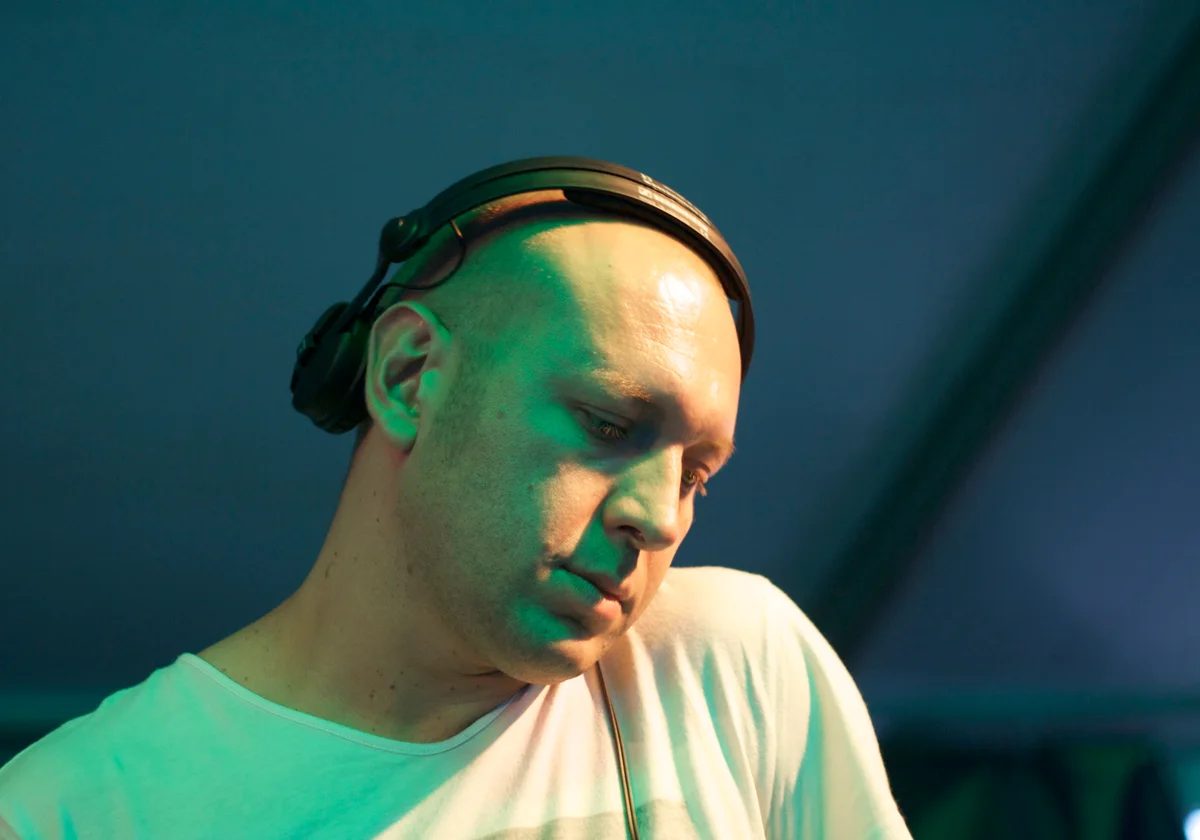
House music is built for continuity: one record entering as another leaves, a room changing energy over hours, and DJs creating context that no isolated preview can reproduce.
“House” alone is not a campaign position. It can mean soulful vocals, stripped drums, piano-led festival moments, late-night rollers, jackin loops or disco-sourced warmth. This plan applies LISTN’s music promotion by genre framework to club-focused house decisions.
Start with the room, slot and promise
Before making content, write a three-line brief.
- The room: intimate basement, sunny terrace, radio warm-up, large club or home-listening session.
- The slot: opener, bridge, peak, reset or after-hours.
- The promise: the musical event worth remembering—a vocal phrase, piano lift, rolling bass movement, percussion switch or restrained tension.
Then add BPM, key if useful, mix length and the closest honest subgenre. These facts make the track easier to assess. Avoid stacking contradictory labels to appear in more searches. A deep, vocal house record does not become tech house because that term currently attracts attention.
Your campaign goal should also be singular. Choose one primary outcome: early DJ feedback, qualified listeners, direct sales, playlist discovery, radio support or attendance at a local event. Secondary benefits are welcome, but they should not distort the core plan.
Give DJs something they can actually test
A house release may need more than the streaming master. Consider an extended mix with a usable intro and outro, a radio edit for broadcast, and an instrumental or dub only when the arrangement justifies it. Do not manufacture five near-identical versions to make the release appear larger.
Prepare a private page containing a reliable stream, WAV download, cover, release date, label or self-release details, BPM, concise description and contact. Keep the page usable on a phone. If the track has already been tested in a set, describe the context honestly—“played during my 11 p.m. opening set”—rather than inventing crowd reactions.
Feedback requests should be narrow. Ask whether the energy and arrangement fit a recipient’s sets, not whether the track is “a hit.” A specific answer can improve the edit or positioning; a generic compliment cannot.
Ordered house promotion priorities
Priority 1: trusted DJs, local floors and specialist radio
Begin with selectors whose sets show a real match. Your first list might contain 15 to 30 people: resident DJs, local promoters who also play, specialist radio hosts, mix-show producers and peers. Recent tracklists and event recordings reveal more than follower totals. Send small waves so you can correct the pitch if recipients misunderstand the lane.
Whenever possible, test the record in an appropriate room before release. Observe transitions, low-end translation and whether the payoff arrives too early or late. A club test is product research, not social proof. Never film strangers or publish another DJ’s support without consent.
Radio requires a different version of the note. Lead with mood, vocal content, edit length and clean-language status where relevant. Include broadcast-quality audio and accurate credits. A six-minute club tool can work on a specialist mix show, but a general program may need a shorter edit.
Priority 2: your local and owned community
House scenes grow through repeated presence. Use your mailing list, residency, party series, record-shop relationships, production peers and genuine community groups before buying broad reach. Share a guest mix, host a small listening session or create a playlist around the release’s influences. The aim is not to disguise an advertisement; it is to place the track in a useful musical sequence.
Email should carry one main action and a short personal note. Segment DJs from listeners because their needs differ. A selector may want WAV and BPM; a fan may want the streaming link, story and next event. Respect opt-outs and do not add addresses collected from public profiles without permission.
Priority 3: DSP editorial and independent curation
Deliver early enough to claim artist profiles, review metadata and submit an editorial pitch where available. Spotify for Artists’ official guidance says artists can pitch one unreleased song at a time. Use the form to explain subgenre, instrumentation, mood and cultural context accurately; do not fill it with unsupported predictions.
Approach independent playlist curators only after checking their latest additions. A playlist titled “House 2026” may actually focus on commercial vocal tracks, deep warm-ups or aggressive festival cuts. Fit matters more than title. Avoid services that guarantee placement, demand suspicious streaming behavior or hide where plays originate.
On SoundCloud, use a focused genre and a few relevant tags. The platform’s official tagging guidance advises accurate genre information and notes that the first tag is treated as the main genre. That is another reason to choose a lane instead of attaching every house subgenre.
Priority 4: visual proof and measured paid reach
House content does not need to pretend a studio is a festival. Show the record in context: a clean booth recording, transition before the drop, percussion performance, vocal session, arrangement comparison or quiet crowd-facing moment captured with permission. Pair one “function” clip for DJs with one “feeling” clip for listeners.
Paid promotion should amplify a post that already earns meaningful watch time, saves, profile visits or comments from the right audience. Start with a small test and one destination. Do not judge success by cheap impressions alone. If the landing page is slow or the clip hides the hook for 20 seconds, targeting cannot repair the experience.
The house release control sheet
Use one spreadsheet with tabs for contacts, assets and results. For contacts, record role, musical fit, last relevant work, date sent, response and next action. For assets, record format, rights approval, owner and publication date. For results, choose indicators connected to the objective: DJ downloads, useful replies, radio plays, saves per listener, direct sales, mailing-list clicks or event conversions.
Separate signals from outcomes. A respected resident requesting the WAV is a signal; a documented play or sustained listener response is an outcome. Neither guarantees future growth. This simple distinction prevents a repost from becoming the whole campaign story.
D-30 to D+30: a floor-aware schedule
D-30 to D-24 — lock the working version
Check the mix on club-capable speakers, headphones and ordinary playback. Confirm sample and vocal permissions, metadata, credits, cover and release date. Deliver to the distributor. Export only the versions with a defined purpose. Write the room-slot-promise brief and assemble the private promo page.
D-23 to D-17 — run the first DJ wave
Send the record to five to ten closely matched selectors and two or three radio contacts. Ask one useful question. If several people misunderstand the style, refine the description rather than arguing. Record a context clip at your own set or rehearsal, with venue and people permissions settled.
Claim DSP profiles and prepare the editorial pitch. Schedule artwork, announcement and release assets, but leave space to use credible feedback.
D-16 to D-10 — introduce the musical world
Announce the release with the clearest hook and subgenre description. Share a short influence playlist, production detail or transition clip. Pitch a second DJ wave informed by the first. Contact independent curators one by one. Invite your mailing list to one action, such as pre-ordering or following the release page.
D-9 to D-4 — move from context to intent
Publish the strongest room or performance asset. Confirm partner posts and send approved files to vocalists, remixers, labels or event teams. Check every credit. Test links on mobile and remove unnecessary choices from the landing page. Send one polite reminder to priority contacts only if the original note was relevant.
D-3 to D-1 — prepare release operations
Schedule the release email and core posts in the correct time zone. Confirm that profiles, bios and pinned links point to the track. Prepare short replies to common questions about mixes, downloads and upcoming dates. Do not flood channels with countdown graphics that reveal nothing about the music.
D0 to D+2 — publish, observe, document
Make the track live, verify each platform link and send the DJ version to contacts who requested it. Share the hero asset, followed later by credits and the release story. Answer comments like a person, not a campaign bot. Capture legitimate public support, but wait before turning every mention into an advert.
D+3 to D+10 — show how the track functions
Post a transition, extended-mix passage, radio excerpt or studio arrangement breakdown. Thank supporters individually. Send the live link to a fresh, smaller contact wave. Review which audience and creative combination produced qualified actions, then place a modest paid test behind the winner if the data supports it.
D+11 to D+21 — deepen the record’s context
Release a guest mix, vocal feature, dub explanation or event recording. Connect the track to a local night, record selection or production conversation. Follow up with curators only when you have relevant new information. Stop pursuing contacts whose output clearly does not match.
D+22 to D+30 — close the loop
Compare results with the one primary goal. Note which descriptions, recipients and assets worked. Pay collaborators, archive permissions, update the contact sheet and decide whether a later remix or club edit has a real audience. Keep successful relationships warm without immediately asking for another favor.
Budget options that match the objective
€0: research and room context
Use your existing phone, editing software, DJ setup and mailing list. Spend the budget of time on a strong promo page, 25 researched contacts, one filmed transition and personal follow-up. Trade a guest mix or peer feedback session, not fake engagement. Publish fewer pieces with clearer jobs.
€100: fix one weak link
If the track is strong but the presentation is weak, allocate about €70 to a photographer, designer, venue hour or editor and €30 to test the best clip. If you already own usable visuals, spend €60 on a controlled audience test and €40 on local travel or contributor costs. Choose one version based on the bottleneck; do not pretend €100 can fund every channel.
€500: combine scene assets with testing
One balanced plan is €180 for a permitted booth or performance shoot, €120 for editing and artwork formats, €100 for vocalist or collaborator fees, and €100 for two paid tests. An artist with strong visual skills might move more toward a listening event or specialist PR consultation. Keep contracts and deliverables clear. None of these expenses buys authentic DJ play, editorial support or a guaranteed return.
House campaign errors that cost trust
- Calling the track every subgenre at once. It makes search tags, pitches and visual choices incoherent.
- Sending only a streaming link to DJs. Give appropriate selectors a private, clearly labelled high-quality download.
- Mistaking a peak-time clip for proof of support. Document the actual context and get permission before naming a venue or DJ.
- Overlooking the intro and outro. If club use is the goal, arrangement and file version are part of promotion readiness.
- Buying broad reach before testing the hook. Paid impressions cannot clarify a vague proposition.
- Submitting to playlists by title alone. Review recent tracks and audience fit.
- Stopping on release day. House records often need repeated set and mix context to become useful to listeners.
- Using community only when you need a post. Contribute to scenes between campaigns and credit the people who create them.
Final house release checklist
- Room, set slot, promise, BPM and subgenre are written clearly.
- Rights, credits, metadata and release versions are final.
- The DJ promo page works on desktop and mobile.
- DJ/radio, community, curator and listener lists are segmented.
- The editorial pitch is submitted early where eligible.
- One function clip and one feeling clip are approved.
- Venue, performer and crowd permissions are documented.
- Release links and time-zone scheduling are tested.
- Budget spending addresses a specific bottleneck.
- D+10 and D+30 reviews measure the original goal.
Build continuity, not release-day noise
The strongest house campaign behaves like a thoughtful DJ set. It establishes context, earns attention, introduces the key moment and gives the record somewhere to go next. Define the room, serve the selectors, involve the community and use platform tools without confusing availability with entitlement.
Once your audio, metadata and pitch are ready, submit your release through LISTN to find relevant radio opportunities. A precise pitch and careful targeting will travel further than inflated promises—and leave better relationships for the next record.