
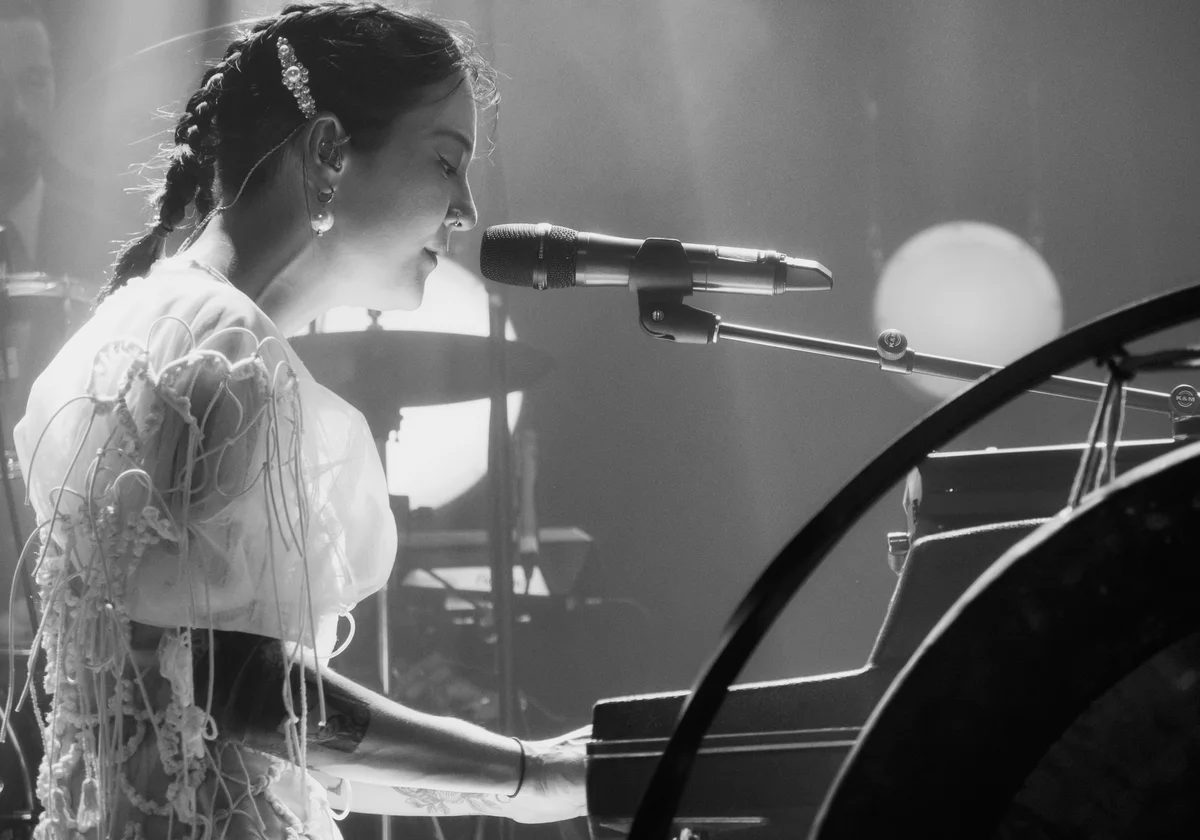
Indie pop grows through affinity. Listeners often arrive because a song feels handmade, emotionally precise or connected to a scene, then stay because the artist’s wider world rewards curiosity. That makes indie-pop promotion different from a pure reach contest: the campaign must preserve texture while making the music legible to strangers.
You do not need to perform “independence” as a costume. You need a specific record, a credible story and a network of small communities that can carry it. This release playbook turns those ingredients into a D-30 to D+30 campaign. For the wider strategic framework, begin with LISTN’s music promotion by genre hub.
Find the human center of the release
Before choosing content formats, describe the song in three layers:
- The emotional scene: the place, relationship or unresolved feeling inside the song. “A song about distance” is broad; “the train ride home after deciding not to call” is usable.
- The sonic fingerprints: name concrete elements—a dry drum machine, close-miked vocal, chorus-heavy guitar, toy keyboard or stacked group harmonies.
- The cultural neighborhood: identify adjacent artists, labels, venues, radio shows, record shops or communities without claiming endorsement.
Compress those layers into a short note: “A close-up indie-pop song about leaving without closure, carried by chorus guitar and an intentionally unpolished vocal.” That line can guide your photos, live session, press pitch and choice of partners.
Create a compact release folder with the master, WAV download, lyrics, credits, two photographs, artwork, a 100-word biography and a private stream. Include factual recording details: where it was made, who played, and one decision that shaped the sound. These details give writers and presenters something useful beyond generic adjectives.
The indie-pop channel stack, ranked
1. Existing community and direct supporters
Begin with people who have already opted into your world: mailing-list readers, Bandcamp followers, show attendees, Discord members or regular commenters. Let them hear a fragment or see the artwork before the public announcement. Ask a real question about the lyric, arrangement or physical format rather than requesting “support” in the abstract.
Email is especially valuable because it can carry context. Write in your normal voice, make the song link obvious and give subscribers one action. On Bandcamp, followers can receive release messages and purchases can create a direct artist-to-fan relationship; the platform’s official Artist Guide explains its release, messaging and merchandising tools. Use them when they fit your audience rather than opening a store with no plan to maintain it.
2. Live performance and local scene nodes
Indie pop benefits from evidence that the songs exist beyond a file. Film a one-take room performance or rehearsal arrangement. Pitch independent venues, community radio, local newsletters, record shops and compatible support slots.
Offer partners a clear exchange. A record shop might host a short set; a visual artist might create a poster edition; another band might swap support slots. Define responsibilities, credits, costs and content rights before announcing anything.
3. Editorial discovery: blogs, newsletters, radio and playlists
Build a small list around demonstrated taste. Read recent coverage and identify the contributor or presenter who handles your corner of indie pop. Pitch the specific song, not your entire ambition. A strong note contains one sentence on sound, one on the story, one proof that the campaign is active, and a private link with release information.
For Spotify editorial consideration, submit the unreleased track through Spotify for Artists. Spotify’s official guidance says you can pitch one song at a time and recommends submitting at least seven days before release; that timing also makes the selected song eligible for followers’ Release Radar. Submission is an opportunity, not a promise of placement.
Research the business landscape separately from your media list. LISTN’s top indie-pop record labels guide can help you understand label aesthetics and current artists, but only approach a label through its stated route and when your release or longer-term project genuinely fits.
4. Visual storytelling on short- and long-form video
Indie-pop content does not need trend-chasing polish. It does need a reason to watch. Build recurring formats around your process: one lyric in its real location, a guitar tone before and after pedals, a demo-versus-master comparison, a notebook page, a tour diary or a full chorus performed in one room.
Use short clips as doors into a larger piece. A YouTube live session, mini-documentary or arrangement breakdown can deepen the relationship after discovery. YouTube’s official Shorts documentation notes that Shorts may surface through several discovery areas, including search; write descriptive titles and connect the clip to the complete song or session.
5. Streaming conversion and artist profiles
Make every profile feel current. Correct the artist mapping, refresh the biography and images, add lyrics through the appropriate distributor or lyric provider, and choose an Artist Pick where available. A Canvas or loop should extend the artwork rather than distract from the recording. Spotify’s release guide for artists outlines profile and release-day preparation, but these tools work best after the campaign has given people a reason to visit.
Monitor saves, follows and repeat engagement, not streams alone. A listener who joins the mailing list, buys a download or attends a show may be more valuable to a sustainable project than a passive playlist play.
D-30 to D+30 indie-pop rollout
D-30 to D-24: map the scene
Deliver the release to your distributor and verify all credits. Finish the press folder and write the three-layer positioning note. List 25–40 realistic contacts across community radio, local press, niche newsletters, blogs, playlists, venues and collaborators. Beside every contact, write why this song belongs there; remove anyone for whom you cannot answer.
Sketch a visual language using actual locations and objects from the song. Capture one full performance and several short details during the same session. If you plan physical products, confirm production timing before promising a ship date.
D-23 to D-17: invite the inner circle
Share a private preview with trusted supporters and collaborators. Ask what image or line remains with them rather than asking whether they “like it.” Correct confusing language in your pitch without sanding off the song’s character.
Submit platform editorial pitches and begin personalized media and radio outreach. Offer clean metadata, a stream and a download. For a premiere request, state any timing or exclusivity clearly; do not promise the same exclusive to multiple outlets.
D-16 to D-10: open the door
Announce the title, cover and release date with a short note about the song’s origin. Publish a raw performance excerpt or demo comparison. Introduce collaborators and tag them accurately. Send a separate, warmer email to your list rather than copying a press release.
Approach local partners with a concrete idea: a listening night, zine insert, window performance, photo walk or support show. Favor one event with genuine fit over several vague “collabs.”
D-9 to D-3: create context
Release the strongest live clip and a second piece that reveals process. Follow up once with relevant press or radio contacts, adding new information if you have it. Confirm interview facts, credits and pronunciations.
Prepare release-day links, alt text, captions and a pinned post. Check that purchase, streaming and newsletter destinations work on mobile. Schedule the email, but leave room to write a human opening on the day.
D-2 to D-1: make space
Remind supporters once, using an unreleased detail rather than another generic countdown. Verify distributor delivery and artist-page mapping. Pack physical orders only if the inventory is actually ready. Rehearse a short live set or Q&A so release day is not entirely screen-based.
Release day: gather, do not broadcast blindly
Inspect the track on each major destination before sharing. Publish the clearest link, the story in a few lines and your best performance asset. Email subscribers. Thank collaborators by name. Spend time in replies and notice which details listeners repeat.
If you host a stream or small event, record one clean segment for later use. Do not manufacture scarcity, claim unverified editorial support or ask fans to run the track on repeat.
D+1 to D+7: deepen the story
Share the full live take, annotated lyrics, recording photos or a collaborator conversation. Thank media and radio supporters without turning each mention into exaggerated social proof. Offer presenters a station ID or short introduction if requested.
Review where engaged listeners came from. A newsletter that sends 30 attentive visitors can matter more than a broad post that produces no follows or sales. Continue the formats that generate conversation and qualified actions.
D+8 to D+30: connect the song to the catalog
Publish one substantial companion: a B-side, remix by a scene peer, alternate version, zine, video or session. Link the new audience to a previous song and invite them to the mailing list or next show. Pitch appropriate support opportunities with a current live clip.
At D+30, hold a campaign debrief. Record expenses, hours, responses, audience sources and assets worth reusing. Note which relationships deserve a genuine follow-up unrelated to asking for coverage.
An indie-pop campaign at €0
Use the resources already in the room. Record one honest live take, cut it into four short clips, write a personal mailing-list note and make individual pitches to scene contacts. Update artist profiles, submit the Spotify editorial form on time and ask collaborators to share in their own words. Trade skills only when both sides agree on scope and value.
Your constraint is capacity, so choose depth. One carefully researched radio pitch and one memorable session are better than a spreadsheet of copied emails.
An indie-pop campaign at €100
Spend to strengthen an existing idea, not to decorate indecision. You could allocate €45 to a rehearsal-room or unusual location, €30 to pay a photographer or designer for a tightly scoped adaptation, and €25 for materials for a listening event or limited zine. Alternatively, put the full amount toward a mix consultation or live-session audio if that is the weak link.
Amounts are examples; costs vary. Keep permissions and deliverables written down, even among friends.
An indie-pop campaign at €500
Fund a durable cultural object. One possible plan is €240 for a live-session shoot with usable audio, €100 for artwork or a small print run, €80 for a local event or room hire, and €80 for targeted promotion of the proven session clip. Another artist may get more value from fair fees for a remix and photography.
Do not buy playlist placement or packages promising streams. Retain enough rights to reuse the commissioned assets, credit everyone, and judge the spend by fan connection, usable media and follow-on opportunities—not by a guaranteed result.
Common indie-pop campaign errors
- Mistaking vagueness for authenticity. “Dreamy vibes” is not a pitch; identify the lyric, sound and setting.
- Contacting every indie outlet at once. Scenes have distinct tastes. Research beats volume.
- Only showing polished artwork. Process, rooms, instruments and collaborators often carry more meaning.
- Ignoring the local layer. Independent radio, shops, venues and fellow artists can create lasting pathways.
- Launching merchandise before demand or logistics exist. Use realistic quantities and honest shipping dates.
- Turning relationships into transactions. Support peers between your own release cycles.
- Equating lo-fi with careless. Intimacy still requires intelligible sound, readable text and correct metadata.
- Using fake streams or paid “guaranteed” playlists. Artificial activity damages learning and can expose the release to platform action.
Indie-pop release checklist
- Emotional scene, sonic fingerprints and cultural neighborhood are defined
- Master, lyrics, artwork, credits and factual press folder are complete
- Distributor delivery and Spotify pitch happen before the deadline
- Contact list is small, researched and separated by outlet type
- Mailing list and direct-support destinations are current
- A full performance and several short edits are ready
- Local or scene partnership has clear responsibilities and rights
- Mobile links, artist mapping, captions and alt text are checked
- Release-day message asks for one action
- D+1 to D+30 companion material has a purpose
- Costs, audience quality and relationship outcomes will be reviewed
A durable indie-pop campaign makes the song easier to enter without explaining away its mystery. Give listeners a vivid detail, let performance prove the music, and invest in communities you intend to remain part of. When the release package and contact rationale are ready, pitch your release through LISTN for relevant radio and industry outreach, with no promise of placement or results.