
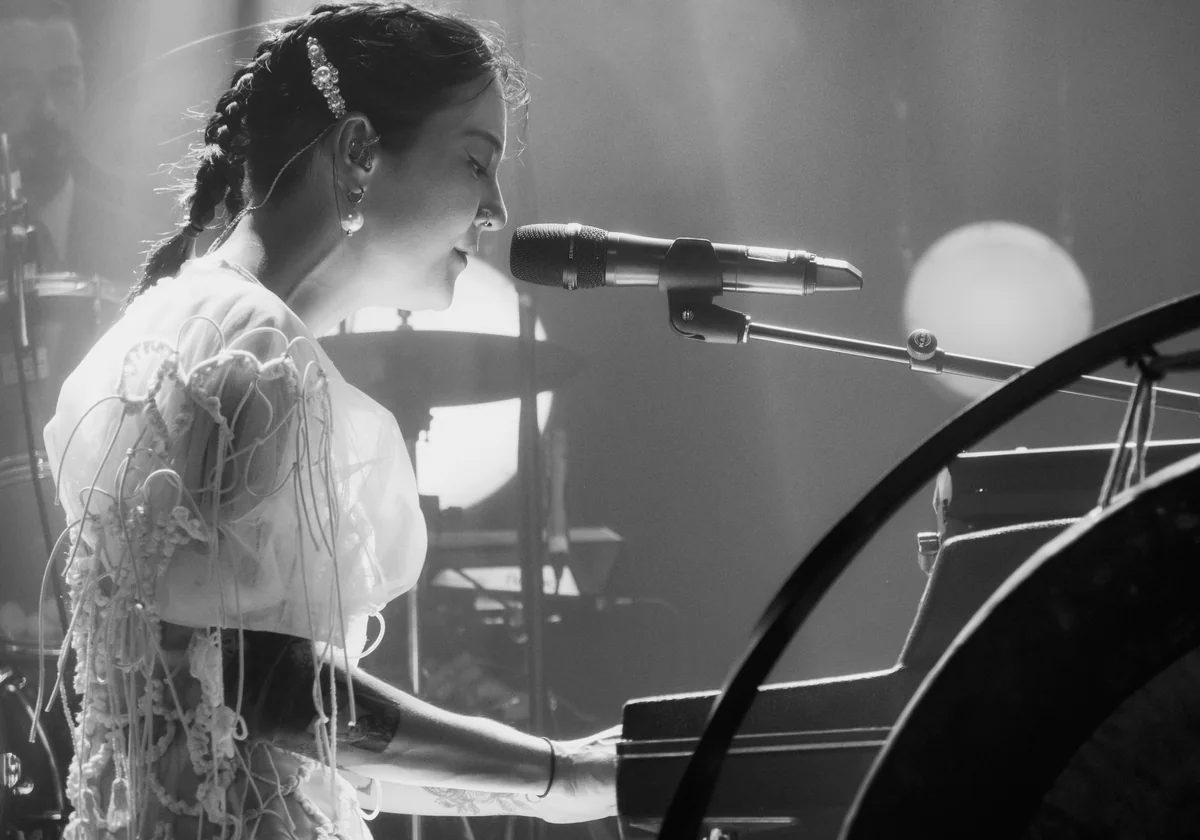
Indie rock is an ecosystem, not a single sound. A fuzzy bedroom recording, a precise art-rock quartet and a melodic guitar-pop band may share some outlets while needing completely different stories. Effective promotion preserves that specificity. It gives tastemakers a useful angle, gives curious listeners a memorable entry point and gives existing fans something more personal than an endless stream of release graphics.
Use this campaign blueprint alongside LISTN’s broader music promotion by genre hub. The goal is a month of deliberate discovery on either side of release day—not a frantic attempt to appear everywhere at once.
Find the indie rock angle only you can own
Write a short positioning note before making content. It should answer: where does the record sit musically, what human tension drives it, and what audible detail makes that claim believable? “Dreamy indie rock about leaving a small town, built around detuned guitars and a half-time final chorus” is pitchable. “For fans of good music” is not.
Use references sparingly. Two accurate comparisons can orient a listener; ten famous names make the project look unfocused. Add a scene or place only when it is genuinely relevant. A local DIY venue, producer, collective, visual artist or shared bill can provide meaningful context without pretending that geography guarantees a sound.
Then choose a campaign motif drawn from the work: the notebook behind the lyrics, handmade artwork, a recurring colour, an unusual recording room, the tension between polished vocals and rough guitars. Repeat the motif across the press photo, clips and copy while giving each asset a different purpose. Consistency should create recognition, not sameness.
Where to focus: a ranked indie rock channel mix
First: tastemaker press, specialist radio and newsletters
Indie discovery often begins with trusted curators who can describe why a song matters. Build a compact list of writers, radio hosts, podcasts, zines and newsletters that have recently covered artists in your actual corner of the genre. Read or listen before writing. Reference one relevant item, explain the fit in a sentence, and provide a private stream plus release date.
Respect stated submission routes and timing. For UK artists, BBC Introducing provides an official upload path for eligible music. Elsewhere, community and college stations often publish programme-specific policies. A researched pitch to the correct show is more valuable than a generic message sent to the entire station.
Second: Bandcamp, email and direct fan relationships
Indie rock fans often care about context, credits and physical objects. Build a complete Bandcamp page with lyrics, personnel, artwork and honest shipping details. Its official Bandcamp Guide describes artist tools for presenting music, notifying followers and selling direct. If vinyl timing is uncertain, offer a digital release, CD, cassette or pre-order only when you can communicate realistic delivery expectations.
Treat email as a small publication. Send an early note with the story, a release-day message with one primary link, and a later dispatch featuring a demo, live session or lyric explanation. Do not copy the same caption into every channel.
Third: distinctive visual storytelling
Indie rock does not require expensive cinema, but it benefits from an authored visual world. A one-take rehearsal, stop-motion lyric fragment, mini-documentary from the recording space or carefully framed performance can express identity better than trend imitation. Capture a horizontal anchor video and plan vertical extracts before filming.
Use captions, clear opening frames and accurate metadata. YouTube’s spam and deceptive practices policy prohibits misleading titles, thumbnails and descriptions, so the hook should create curiosity without misrepresenting the song. Credit directors, photographers, venues and artists visibly.
Fourth: live networks and peer collaboration
A record-store set, house-show bill, support slot, gallery performance or joint session can turn a release into a local moment. Choose collaborators because audiences and values overlap, not simply because both acts use guitars. Share planning early: announcement time, ticket link, asset sizes, credits and who will capture footage.
If touring is not realistic, exchange remote sessions, curate a short influences playlist with commentary, or host a release listening conversation. The test is whether the collaboration creates something listeners would choose to experience, not whether it increases the tag count.
Fifth: streaming tools and carefully chosen playlists
Deliver music with enough lead time to verify artist pages and correct metadata. Spotify allows artists to pitch one unreleased track at a time from Spotify for Artists and advises submitting at least seven days before release. Use precise mood, instrument and genre information; “indie” alone does not explain whether a song is noisy, intimate, danceable or slow-burning.
Approach independent curators only when their recent selections demonstrate a match and their submission process is transparent. Avoid anyone selling guaranteed results. Spotify states that services promising streams or paid playlist placement violate its terms, and artificial traffic gives you poor information about real listeners.
The indie rock D-30 to D+30 roadmap
D-30 to D-25 — distil the world
Finish master, artwork, metadata and credits. Write the positioning paragraph, 50-word biography and three versions of the pitch subject line. Choose one anchor visual, define the recurring motif, and separate high-priority outlets from later opportunities. Confirm manufacturing dates before mentioning physical products.
D-24 to D-18 — prepare the evidence
Film the main performance or story piece, then cut excerpts with distinct openings. Build a private press page containing stream, download, lyrics, credits, images and contact details. Deliver to distribution and inspect the release in artist dashboards. Ask one trusted listener whether the description matches what they actually hear.
D-17 to D-11 — open the right doors
Send personal advance pitches to longer-lead publications, radio and newsletters. Offer a premiere only if it brings meaningful editorial support and you can honour exclusivity. Submit the streaming editorial pitch. Give bandmates and collaborators a shared folder with final files, credits and an uncomplicated posting calendar.
D-10 to D-4 — introduce the narrative
Reveal the song’s premise and one compelling audio moment. Follow with a contrasting asset: rough demo versus final mix, lyric notebook, pedal texture, artwork process or producer exchange. Announce the show, video or Bandcamp pre-order. Email core fans first when early access is part of the promise.
D-3 to D0 — make release day frictionless
Test every destination on mobile, check profiles and schedule only the posts that need fixed timing. Release day should have one obvious action and one memorable piece of media. Thank collaborators by name, respond to thoughtful messages and keep a record of coverage for later follow-up.
D+1 to D+6 — reward attention
Publish the full video, session or visualizer after the initial link post has had space. Send a brief follow-up to priority writers who did not reply, but include new information rather than “just checking in.” Share editorial descriptions that reveal something about the music, not screenshots stripped of context.
D+7 to D+14 — show another layer
Release a home demo, alternate arrangement, lyric annotation or behind-the-artwork piece. Play the local event or host the online equivalent. Look beyond raw reach: compare full-video retention, Bandcamp follows, email clicks, saves, meaningful comments, sales and ticket actions. The best indicator depends on the campaign’s intended next step.
D+15 to D+30 — connect this release to the next one
Pitch sessions and support opportunities using the finished campaign as proof. Publish the strongest live recording and a sincere contributor thank-you. Note the outlets that understood the project, language fans used, cities showing legitimate interest and assets that held attention. Invite listeners to the mailing list before the campaign quietens.
What an indie rock campaign can do for €0
Use constraints as an aesthetic. Shoot a daylight performance in the rehearsal room, design a lyric card from existing artwork, create four clips from one session, and write individual pitches to a short list. Trade skills with a photographer or another band only when the exchange is fair and explicit. Put your effort into the press page, Bandcamp presentation, email and conversations you can continue after release.
How to allocate €100
Fix one visible weakness. Pay for a short portrait session, rehearsal-room rental, captioning, artwork resizing, local travel for a session or a small run of well-designed posters around an actual show. Alternatively, test a modest promotion behind the clip that already earns complete views or genuine comments. Set an end date and target a relevant territory; never spend merely to inflate a public counter.
Building a focused €500 rollout
Create an asset with a useful afterlife. Commission a live session, narrative micro-video, strong photo-and-design package or documented release event, with rights and deliverables agreed beforehand. Keep a portion for editing vertical versions and distributing the best-performing piece. If advertising supports a local show, separate ticket objectives from streaming objectives so you can judge the result honestly.
Common indie rock campaign errors
- Treating “indie” as a complete identity. Clarify the sound, emotion, scene and production character.
- Copying another artist’s lo-fi aesthetic. Resourcefulness is convincing; manufactured carelessness is not.
- Sending impersonal “Dear blog” emails. Tastemakers notice when the pitch ignores their coverage.
- Making every post mysterious. Atmosphere needs anchors: artist name, song title, date and link.
- Pressing physical stock before demand and timing are clear. Ambitious formats can turn into fulfilment problems.
- Accepting guaranteed playlist placement. Purchased activity risks platform action and corrupts audience data.
- Using collaborators as distribution channels. Build a shared creative reason, then agree expectations.
- Ending the story on D+2. Indie releases benefit from demos, sessions, visual detail and patient editorial follow-up.
- Confusing expensive with distinctive. A coherent idea and accurate credits matter more than production gloss.
Pre-release and follow-through checklist
- The pitch names a specific indie rock lane and an audible proof point.
- Master, lyrics, metadata, songwriting and performer credits are correct.
- Press page includes a private stream, downloads, images and contact.
- Priority contacts were chosen from recent, relevant work.
- Bandcamp, mailing list and artist profiles are ready.
- Streaming editorial submission follows the platform’s lead time.
- Anchor visual and short excerpts have accurate captions and credits.
- Physical product dates are confirmed before public promises.
- Collaborators have approved assets, tags and timing.
- Paid activity excludes guaranteed streams and placements.
- D+14 and D+30 reviews measure actions connected to the next goal.
Keep the outreach selective
If a label partnership is relevant, research the roster, territory and submission route before making contact. LISTN’s top indie rock record labels in 2026 guide is a starting point for that work, not a substitute for fit. When the story, private link and contact list are ready, start targeted outreach with LISTN and put the release in front of professionals whose work genuinely intersects with your sound.