
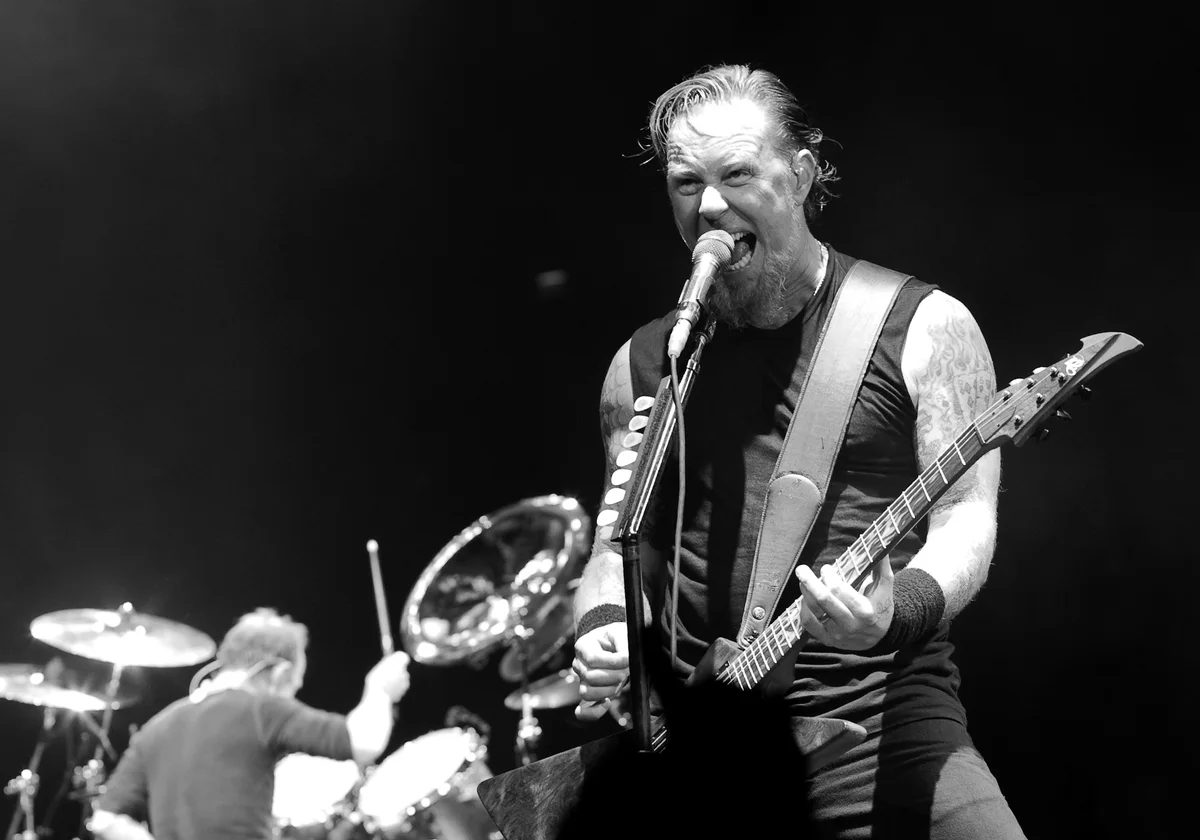
Metal promotion works when listeners can identify the world around a release before they are asked to stream it. A crushing mix is essential, but so are the scene signals around it: the subgenre, visual language, live credibility, lyrical concerns and communities that make the record legible. A blackened-death single, a melodic metalcore track and a traditional doom epic should not share the same pitch list or content plan.
This playbook turns one metal release into a focused campaign from 30 days before launch to 30 days after it. For a wider comparison with other scenes, begin with our music promotion by genre guide. If label outreach is part of the longer plan, use the metal record labels guide to research fit rather than sending a generic mass email.
Position the release inside metal, not just beside it
Write a one-sentence positioning statement before creating assets. It should name a precise sound, a credible point of difference and the listener most likely to care. For example: “A seven-minute atmospheric sludge track for listeners who want massive riffs, field-recorded textures and a slow emotional payoff.” That gives a writer, radio host or playlist curator something concrete to understand.
Then assemble a compact evidence set:
- Subgenre and adjacent scenes: choose one primary tag and two useful neighbours, such as death-doom, funeral doom and atmospheric sludge.
- Two or three reference points: use them to describe sound, not to claim equal status. Explain the shared trait: guitar tone, pacing, vocal approach or production philosophy.
- A human story: identify why this track exists now. A lineup change, regional scene, unusual recording process or lyrical theme is stronger than “we are passionate.”
- One focal moment: note the timestamp of the first decisive riff, breakdown, solo, chorus or dynamic turn. This helps short-form editors and time-poor media contacts.
- Visual continuity: artwork, logo treatment, press photos, lyric graphics and video stills should feel like one campaign.
Do not flatten the record into “heavy music for everyone.” Metal audiences often organise around specific aesthetics and histories. Precision narrows the first audience but makes the message more shareable within that audience.
Channel priorities, in order
1. Existing scene relationships
Start with people who already recognise the band: local promoters, other bands, rehearsal-space communities, independent record shops, photographers, tattoo artists, small festivals and fans from previous shows. Ask for a specific action—premiere consideration, a support-slot conversation, a repost or an honest listen—rather than vague “support.” A recommendation from a trusted participant in a scene carries context that an untargeted ad cannot manufacture.
2. Specialist metal media, radio and podcasts
Build a short list by subgenre, territory and format. Check what each outlet has published recently and pitch the editor or show whose taste actually overlaps with the track. Lead with the news angle, provide a private stream, release date, clean and explicit versions where relevant, artwork, credits and a concise biography. Never attach huge audio files unless requested.
Radio versions need forethought. Long intros, extended outros or explicit samples may be artistically right, but a clearly labelled edit can give a presenter another option without replacing the original. If you use LISTN, submit a focused campaign only after your metadata and target logic are ready; pitching creates an opportunity for consideration, not guaranteed coverage.
3. YouTube and performance-led video
Metal is physical. A well-recorded playthrough, live-room take, drum camera, rig walkthrough or vocal performance can demonstrate musicianship better than an unrelated trend. Package the full song and several vertical cuts from the same shoot. YouTube says Shorts can be uploaded in square or vertical formats and may be up to three minutes, so verify the current requirements in YouTube Help before export.
Use titles that include the band, song and useful descriptor. Add lyrics, credits and links in the description. Pin a comment that gives one next step, such as the full video, mailing list or show date.
4. Streaming profiles and editorial tools
Deliver the master early enough for distributor processing and profile checks. On Spotify, an unreleased song can be pitched to editors through Spotify for Artists; Spotify states that pitching at least seven days before release also places that selected song in followers’ Release Radar. Read the current Spotify editorial pitch guidance and choose the track, genre and culture tags honestly.
Treat editorial pitching as one lane, not the campaign. Update the artist image, biography, links and Artist Pick so curious listeners encounter a complete profile. Make private playlists around the band’s influences or local peers only when they offer genuine listening value; do not buy placements or streams.
5. Direct-to-fan and owned channels
Email and Bandcamp give the band a place to explain editions, lyrics, credits and merchandise without compressing everything into an algorithmic post. Offer a reason to join the list: demo notes, a rehearsal video, presale access or a printable lyric sheet. Bandcamp’s artist guide recommends adding lyrics and liner notes and explains how followers are notified about releases and merchandise. Use those tools to deepen a real relationship, not to collect addresses without a plan.
6. Paid reach and retargeting
Promote only assets that already earn meaningful responses from the right people. A strong 15-second riff clip or live excerpt is a better candidate than a generic cover-art animation. Separate discovery audiences from people who watched, visited or engaged, and assess more than cheap views: profile visits, saves, mailing-list joins, merchandise interest and show clicks are closer to campaign intent.
The D-30 to D+30 metal release plan
D-30 to D-22: build the campaign chassis
Lock the master, artwork, credits, lyrics, rights information and release links. Deliver to the distributor. Claim or audit artist profiles. Write the positioning sentence and create a one-page press kit with downloadable assets. Research 25–40 realistic contacts across metal media, radio, podcasts, channels and local partners; tag each by subgenre and territory.
Shoot one flexible video session that can yield a full performance plus riffs, solos, drums, vocals and behind-the-scenes cuts. Confirm whether any sample, artwork element or guest appearance requires permission before publishing.
D-21 to D-15: open the story
Announce the release with the clearest visual and a short explanation of its identity. Send personalised advance pitches to outlets that need lead time. Give contacts a private, working stream rather than an expiring link with no warning. Pitch the unreleased track through relevant artist dashboards when eligible.
Begin a recurring content sequence: guitar tone, lyric origin, recording decision, artwork detail or rehearsal clip. Each post should reveal a new facet instead of repeating “pre-save now.”
D-14 to D-8: prove the music in motion
Publish a playthrough, teaser or live-room excerpt centred on the strongest moment. Ask scene partners for timed shares and supply correctly sized assets plus suggested factual copy. Contact local promoters or shops with a regional angle. Finalise release-day posts, email and video descriptions, and test every destination link on mobile.
D-7 to D-1: concentrate attention
Send one polite reminder to priority contacts who have not replied; do not chase daily. Reveal merchandise, physical formats or a launch show only when fulfilment and ticket links are ready. Share a final piece of context—lyrics, gear, guest contribution or the track’s central question. Schedule posts, but leave room to react personally to listeners.
D0 to D+3: make release day navigable
Publish the track, primary video and owned-channel message with one obvious listening link. Update profile features and pinned posts. Thank contributors by name and credit photographers, designers, engineers and guests accurately. Reply to thoughtful comments, gather press links and report broken links immediately. Do not bury the release under a dozen identical posts.
D+4 to D+14: add interpretations
Release alternate entry points: a full playthrough, lyric explanation, live clip, gear detail, isolated performance or fan art with permission. Share coverage with context instead of only posting a quote card. Follow up with radio or media only when there is new information, such as a video, show or tour announcement.
Review where qualified listeners came from. Compare completion, saves, profile actions, email growth, sales and ticket interest by source where the platforms expose those signals. Stop weak paid creatives and put modest support behind the best audience-asset match.
D+15 to D+30: turn a single into catalogue
Connect the track to an EP, album, previous song or live set. Publish a rehearsal or post-release reflection that rewards people who stayed. Thank useful contacts without immediately demanding another favour. Archive clean press quotes, links, airplay notes, asset versions and audience learnings for the next campaign.
€0 budget: scene depth over scale
Use free profile tools, an organised press folder and direct, researched outreach. Film a one-take rehearsal performance in a good-sounding room, edit several honest clips and trade skills with another local band or photographer. Concentrate on ten excellent pitches rather than 200 copied emails. Your currency is preparation: accurate metadata, prompt replies, usable files and genuine participation in other artists’ releases.
€100 budget: fix the weakest presentation point
Spend where the release currently loses trust. That might be a short professional photo session, a live-room audio mix, a clean lyric-video template, targeted postage to a relevant radio show, or a small test behind a proven clip. Reserve part of the budget for captions, formatting or asset exports if accessibility and platform readiness are weak. Do not divide €100 across six ad sets with no learning objective.
€500 budget: create one durable campaign engine
Commission a performance video that can generate a full upload, vertical clips and stills; or combine strong visual production with a tightly limited ad test and professional press assets. Define deliverables, usage rights, revisions and deadlines before paying. Keep enough budget to distribute the finished work, but avoid buying unverifiable playlist placement, reviews or streams. The goal is a reusable body of credible material, not a temporary vanity spike.
Metal promotion mistakes that weaken good records
- Pitching “metal” without a subgenre or scene: it forces the recipient to do the classification work.
- Leading with costumes before songs: a strong aesthetic cannot compensate for a hidden or inaccessible track.
- Sending unfinished mixes to press: unless explicitly labelled as a preview, uncertainty damages confidence.
- Ignoring clean metadata: inconsistent band names, guest credits and release dates cause avoidable confusion.
- Using unreadable assets: extreme logos may be part of the identity, but captions and press materials still need clarity.
- Buying streams or guaranteed coverage: artificial activity can distort decisions and may breach platform rules. Spotify explicitly says paid third-party services that guarantee streams or playlist placement violate its terms in its artificial streaming guidance.
- Going silent after D0: metal discovery often grows through live footage, recommendations and catalogue exploration over time.
- Treating every gatekeeper as interchangeable: a doom podcast, metalcore channel and extreme-metal radio show serve different listeners.
Final metal release checklist
- The primary subgenre, adjacent tags and positioning sentence are specific.
- Master, edit, artwork, lyrics, credits and rights details are final.
- Artist profiles and one-page press kit are current.
- Each priority contact matches the sound, territory and format.
- Private and public links work on mobile without requesting access.
- The strongest riff or performance moment exists in multiple useful formats.
- Editorial pitches are submitted through official tools where eligible.
- Release-day copy has one clear action and complete credits.
- Follow-up content extends through at least D+30.
- Spending excludes guaranteed placements, streams and vague exposure packages.
- Results and contact history will be recorded for the next release.
The best metal campaigns make intensity easy to enter without sanding off what makes the music specific. Define the record’s scene, prove the performance, give specialist partners usable context and keep building after launch day. When the assets and target list are ready, a carefully scoped LISTN pitch campaign can add relevant radio and industry outreach to that foundation—without pretending any outcome is automatic.