
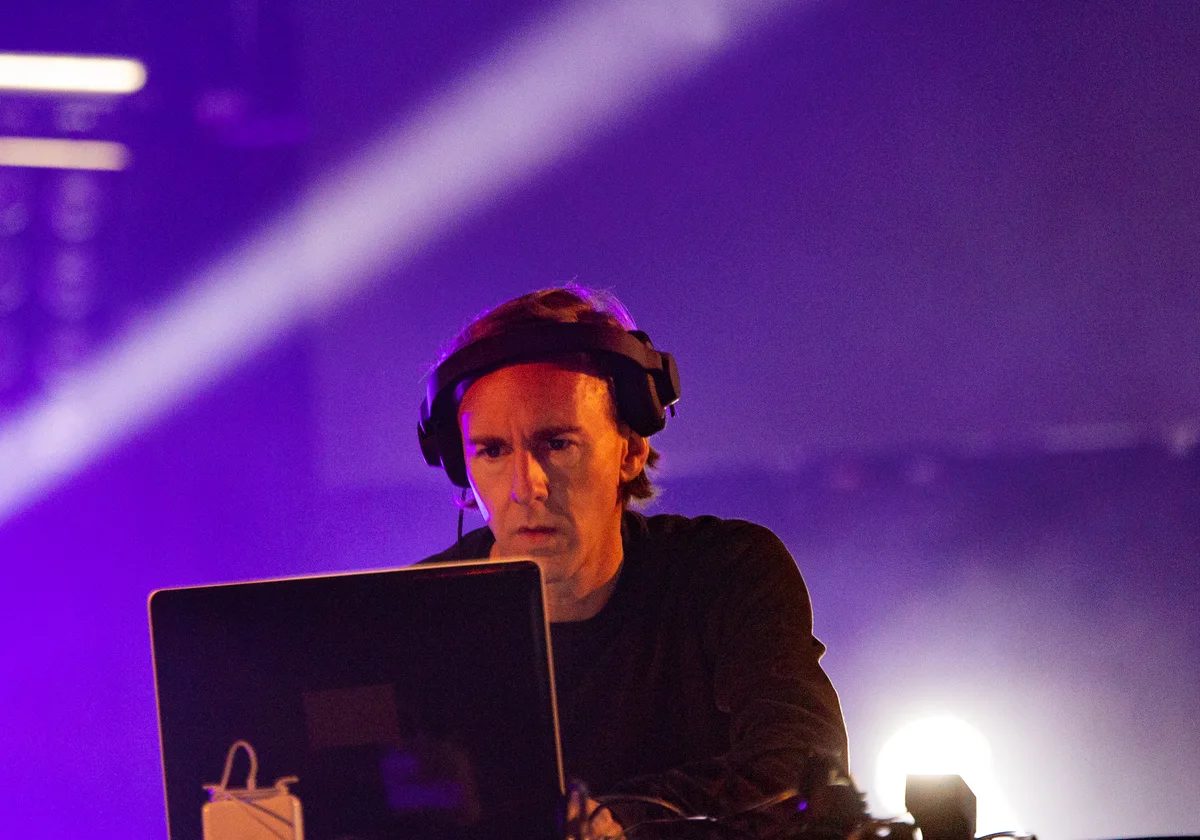
Minimal techno rarely wins by shouting. Its tension lives in subtraction: a shifted hi-hat, a bass movement that appears after thirty-two bars, a room tone that changes the scale of the groove. Promotion should preserve that economy while giving DJs and listeners enough context to hear why the record matters.
This playbook is for independent artists releasing a single or EP without a large team. It turns the broader music promotion by genre framework into a plan for music built around repetition, microtiming and detail.
Position the record for a real listening context
“Minimal techno” is too broad to be a useful pitch on its own. Decide where your release sits before choosing assets or contacts. Is it dry machine funk for an early warehouse set, dub-influenced hypnosis for a long transition, stripped peak-time pressure, or microhouse-adjacent swing for an intimate after-hours room? A selector can act on “rolling 128 BPM tool with a spacious breakdown and clean sixteen-bar intro.” They cannot act on “unique underground banger.”
Write a three-line positioning note:
- Function: where in a set the track works and how it mixes.
- Signature: the one production choice listeners should notice.
- Lineage: two or three scenes, labels or artists that give honest context without claiming equivalence.
Minimal techno is often understood in relation to catalogues, not isolated singles. Study the aesthetics and submission routes in our minimal techno record label guide, but do not mass-email every imprint listed. Choose references that genuinely share your approach to space, swing or reduction.
Your visual identity should work the same way as the music. Use one type system, a restrained palette and close-up motion: sequencer lights, a rotating object, club architecture, waveform detail or a locked-off studio performance. Avoid filling every second with cuts. A steady visual can make a tiny sonic change feel consequential.
Prepare one factual release card for outreach: artist, track or EP title, release date, label or self-release status, BPM, key, territory, private stream, download link, short description and clean artwork. Add a sentence about why that particular recipient is relevant. This is more useful than a long biography.
Channel priorities for minimal techno
Treat the campaign as a sequence. Credible DJ use comes first; public content should then amplify genuine context rather than manufacture it.
1. Direct DJ and scene outreach
Build a list of 20–40 people whose sets, radio shows or events make room for your exact strain of minimal techno. Include working residents, specialist selectors, local promoters and small-show hosts—not only touring headliners. Listen before contacting them. Note a recent mix or set that proves the fit.
Send a private stream and optional download, not a large attachment. SoundCloud explains how secret links let creators share private tracks outside the platform while retaining control of access (SoundCloud Help). Keep the message to five sentences: why them, what the record does, release date, link and permission to ignore. Follow up once, after seven to ten days, only with useful new information.
Ask for listening, not guaranteed support. If a DJ plays the track, request permission before reposting a clip and credit the DJ, event and videographer. A timestamped appearance inside a coherent set is stronger evidence than a vague fire emoji.
2. Long-form mixes and specialist audio communities
Minimal techno needs duration. Publish a 30–60 minute mix that places your track among compatible records, or pitch a guest mix to a focused channel. Include a complete tracklist and mark your unreleased track honestly. The goal is to demonstrate judgment and mixing context, not hide an advertisement inside a set.
SoundCloud is useful here because listeners can move between tracks, mixes and reposts without leaving an audio-first environment. Keep the public single preview short if the full track remains unreleased, but let the mix breathe. Use comments and direct messages selectively; generic engagement is visible as generic engagement.
3. Bandcamp and your owned audience
For a self-release or small label release, make Bandcamp the durable product page. Offer accurate credits, high-resolution artwork, notes about the master and, where appropriate, a DJ-friendly extended version. Bandcamp’s own artist guide recommends following artists because followers are automatically notified about new releases and messages can be sent through the platform (Bandcamp Artist Guide). That makes each genuine follower more valuable than a temporary view.
Send one concise email to your own list on announcement day and another on release day. Give subscribers a reason to care: an early full listen, a production note, a limited download or a short explanation of the track’s club function. Do not invent scarcity.
4. Short video as a listening test
Cut three assets from different moments rather than posting the same drop repeatedly:
- a 15–25 second loop where one micro-element enters;
- an A/B studio clip showing the groove before and after a mute, send or swing change;
- a calm performance or room clip that shows the track holding attention without frantic editing.
Use captions to direct listening: “watch the offbeat hat after bar eight” is more specific than “new techno soon.” On YouTube, Shorts can be discovered beyond your subscribers, but uploads still need to follow the platform’s copyright rules; use music you control and review YouTube’s official Shorts guidance before publishing. Measure profile visits, saves and full-track clicks, not just views.
5. Streaming profiles and editorial pitching
Streaming is a destination, not the entire campaign. Deliver the release early enough to update your profile, credits, Canvas or equivalent assets, and pitch one unreleased track where the platform permits it. Spotify states that editors require an unreleased song and recommends submitting at least seven days before release; pitching also places the chosen song in followers’ Release Radar (Spotify for Artists Support). Submission is an opportunity, not a promise of placement.
Describe the track in concrete terms: instrumentation, mood, club context and relevant location. Avoid paying for guaranteed streams or playlist positions. If a public playlist looks unrelated to the genre or produces attention without saves, follows or downstream listening, it is not useful evidence.
D-30 to D+30 release timeline
D-30 to D-22: establish the frame
Finish the master and metadata. Write the three-line positioning note, choose the visual system and create the release card. Confirm rights, credits and artwork permissions. Deliver to your distributor, claim the relevant artist profiles and prepare a private full-length stream. Build the first DJ list by listening to recent sets rather than copying names from charts.
D-21 to D-15: start with trusted ears
Send a first wave to 10–15 highly relevant DJs, residents and radio hosts. Personalise every message and record the send date so you do not duplicate outreach. Upload one restrained teaser that establishes the visual language. Prepare your Bandcamp page or pre-order, email draft and mix tracklist. If eligible, submit the unreleased track through Spotify for Artists during this window rather than waiting for release week.
D-14 to D-8: demonstrate context
Send the second outreach wave, informed by any replies from the first. Publish the studio A/B clip or a mix excerpt. Pitch one or two specialist podcasts, stations or channels with a precise proposal: guest mix, premiere, interview or track consideration. Do not ask every outlet for every format. Test links on mobile and confirm that private downloads work.
D-7 to D-1: concentrate, do not flood
Announce the date and primary destination. Share one meaningful detail about the production or intended set moment. Follow up once with priority contacts who have not replied. Schedule release-day posts, update bios and prepare a simple thank-you response for organic support. Keep one strong clip unpublished for after release.
D0 to D+7: make the record easy to use
Publish one clear release post with the full link, credits and format information. Email your list, update profile links and send the live URL only to contacts who asked for it. Repost authorised DJ, listener and store support with proper credit. At D+3 or D+4, release the contextual mix or the strongest post-release clip rather than repeating the cover art.
D+8 to D+21: follow the useful signal
Review which sources produced full listens, downloads, saves, purchases, replies and new followers. Continue the format that created those actions. Send a small third wave only if you have discovered genuinely relevant contacts. Offer a production breakdown, extended mix or guest set when it adds value; do not create a “deluxe” version solely to reset attention.
D+22 to D+30: close and document
Thank supporters individually. Archive quotes only when permission and wording are clear. Record which pitch angle, clip and recipient type worked, then stop routine posting. A minimal techno record can reappear naturally in later mixes and sets; keeping it usable is better than pretending the campaign never ends.
Three realistic budgets
€0: labour over reach
Use private SoundCloud links, your existing profiles and direct research. Create three phone-shot clips in one session, build a 25-person contact list and publish one contextual mix. Spend time on accurate targeting and follow-up. Do not compensate for a zero budget by sending hundreds of messages.
€100: improve the release surface
Allocate roughly €40 to artwork adaptation or typography, €30 to a short visual loop and €30 to a narrowly targeted test after an organic clip shows promise. If you can create visuals yourself, move that money to mastering or Bandcamp fulfilment instead. Never spend the full amount boosting an untested generic teaser.
€500: fund quality and selective distribution
A workable split is €180 for mastering or an alternate DJ-ready version, €140 for a coherent visual package, €100 for a specialist publicist, radio plugger or campaign tool with transparent deliverables, and €80 for two small paid tests. Before hiring anyone, define the exact work, reporting and audience. No legitimate budget guarantees editorial coverage, DJ plays or streaming results.
Minimal-techno promotion mistakes
- Selling “nothing happens” as the concept. Reduction is intentional arrangement, not absence. Point to the micro-change that creates tension.
- Using a festival-drop edit for a long-blend track. Let the asset show patience, intro utility and groove continuity.
- Confusing minimal techno with every adjacent tag. Microhouse swing, dub techno space and stripped peak-time tools reach overlapping but different selectors. Choose language carefully.
- Overdesigning the campaign. Constant fonts, colours and cuts fight a record whose strength is focus.
- Sending only a radio edit to DJs. If the arrangement is designed for mixing, make the extended version and technical details easy to find.
- Mistaking famous-name outreach for strategy. A local resident who programs this sound weekly may be more relevant than a global artist with no realistic listening path.
- Buying unexplained activity. Streams without saves, purchases, follows, replies or geographic logic do not build a credible audience.
Final checklist
- Define the track’s set function, signature detail and honest lineage.
- Confirm master, rights, metadata, BPM, key, credits and artwork.
- Prepare a private stream, optional download and tested release page.
- Research 20–40 relevant DJs, radio hosts, residents and scene connectors.
- Create three distinct assets: micro-change, studio A/B and context clip.
- Submit eligible streaming pitches before the platform deadline.
- Schedule D0, D+3 and D+10 moments instead of posting every day.
- Ask permission before reposting DJ, crowd or event footage.
- Track replies, full listens, downloads, saves, purchases and followers.
- Document what worked at D+30 and retire tactics that did not.
The strongest minimal techno campaign behaves like a good arrangement: each element has a purpose, repetition builds recognition, and space lets the important details register. Once your positioning, assets and target list are ready, start a focused outreach campaign with LISTN and keep the pitch as disciplined as the record.