
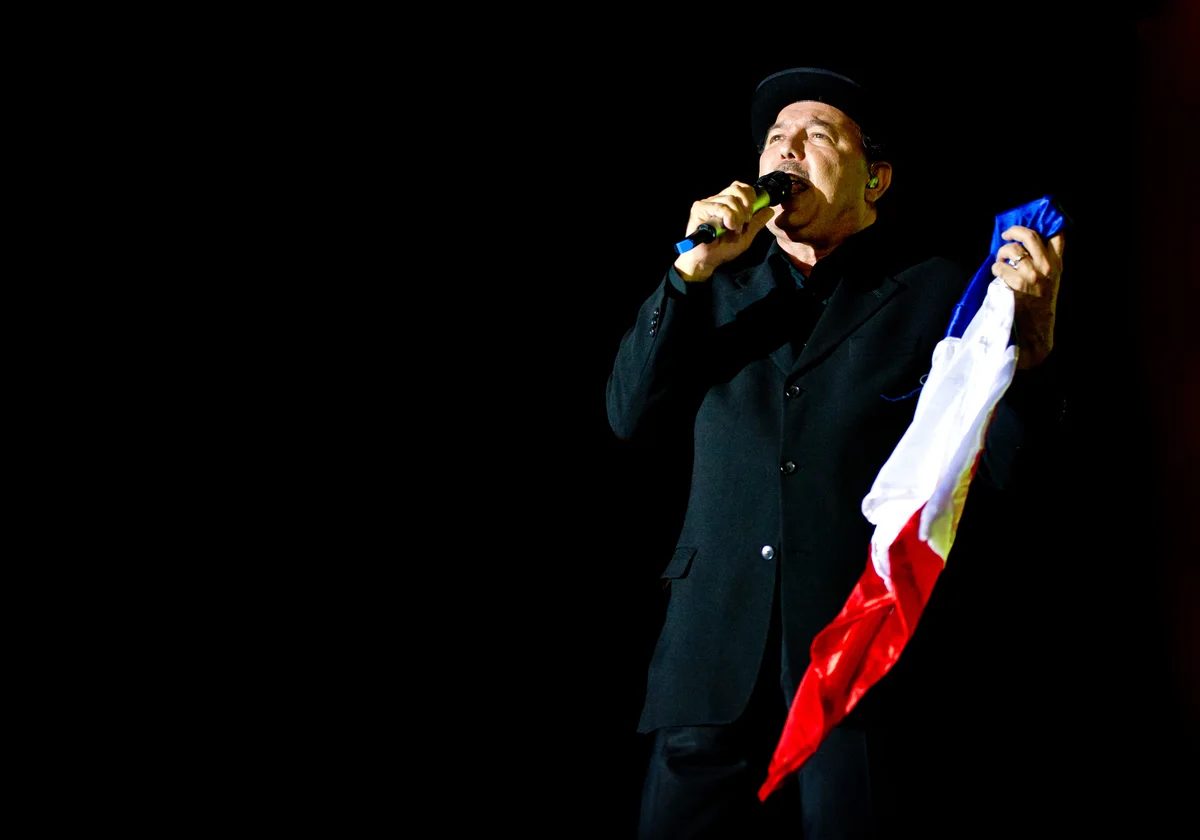
Salsa travels through relationships: musicians recommend musicians, DJs break records in social-dance rooms, instructors turn passages into class material, radio hosts provide context, and dancers carry a song from one city to another. A release plan should respect that network. Posting a cover image and sending the same message to hundreds of “Latin” contacts misses the people who can explain why the record belongs in their set.
The goal of this playbook is a usable campaign from D-30 to D+30. It covers traditional and modern Salsa releases without pretending every substyle, city or dance scene behaves alike. If you are planning several genre campaigns, use the broader music promotion by genre guide alongside this page.
Find the Salsa story inside the arrangement
Before outreach, describe the record in language a programmer and dancer can act on. Name its musical lineage, tempo feel, lyrical theme and strongest performance feature. Is it romantic Salsa, hard-edged Salsa dura, a son-informed arrangement, timba-influenced, tropical-pop crossover or another clearly described direction? Which moment matters: piano montuno, horn moña, percussion break, coro, soneo or an instrumental solo?
Document these practical details:
- Dance information: approximate BPM, rhythmic feel, duration, intro length and whether dancers hear a clear break or change in energy.
- Musicianship: arrangers, composers, lead and coro singers, percussionists, pianist, bassist, horn players, engineer and producer.
- Cultural grounding: the places, traditions and personal experiences that actually informed the song.
- Lyrical entry point: a concise translation or explanation for media and listeners who need it.
- Live possibility: whether the arrangement can be presented by full band, a reduced ensemble or a credible session format.
Prepare the final master, instrumental only if useful, lyric sheet, complete credits, high-resolution artwork and a DJ file with clean metadata. If you create a shorter radio version or a version with a more mixable intro, label it honestly and keep the artistic master intact.
Where to promote Salsa, ranked by practical value
1. Salsa DJs and specialist radio
DJs and radio presenters can put the complete song in context, not just a brief hook. Build a list by listening to current shows, recent sets and local nights. Record the recipient’s preferred lane, language, territory and submission method. A useful pitch includes a private stream, downloadable WAV or high-quality MP3, release date, credits, BPM, concise story and the exact reason the track fits that show or floor.
Offer a radio edit only when it solves a real timing or language issue. Do not send unrequested giant attachments. A private page with clearly named versions is safer and easier. To understand companies active around the genre before wider industry outreach, consult LISTN’s Salsa record-label guide, then research each label’s current roster and stated submission route.
2. Dance instructors, socials and congress communities
A strong dancing audience can give a Salsa track durable life. Approach instructors and organizers who use music compatible with your record. Share the full song plus a short note about structure, breaks and mood. Invite interpretation rather than prescribing steps to experienced dancers.
Possible collaborations include a class demo, social-dance clip, musicality breakdown, rehearsal, DJ-and-instructor conversation or release-night playback. Agree on filming, credits and repost rights in advance. Pay professionals when you commission specific work; “exposure” is not a production budget.
3. Live-performance video and musician networks
Salsa listeners often want to see the ensemble communicate. One well-recorded performance can reveal percussion, piano, horns and coro more persuasively than a stream of disconnected teasers. Film a full or sectional performance, then cut short pieces centered on individual players. Tag and credit every musician accurately.
Upload the full performance to a stable home, then use excerpts to lead viewers there. YouTube’s official audience-retention documentation explains how creators can inspect where viewers continue or stop watching. Use that information to improve future edits, not to rewrite the music around a single graph.
4. Streaming editorial and independent curators
Deliver early, correct the profile, add lyrics where supported and prepare a detailed editorial pitch. Spotify allows artists to pitch an unreleased song in Spotify for Artists; its official pitching instructions say a pitch submitted at least seven days before release also puts that selection in followers’ Release Radar. Editorial consideration remains discretionary.
Search beyond broad “Latin” lists. Look for Salsa, tropical, son, timba, romantic, dance-practice and regional programming that matches the arrangement. Reject services selling guaranteed placement or unexplained plays. A smaller, stylistically coherent playlist is more useful than an impressive follower count with no audible connection.
5. Cultural media, community pages and direct listeners
Pitch the human and musical angle to local press, Spanish-language or bilingual media, cultural programs, musician podcasts and city pages. Give writers accurate names, diacritics, credits, lyric context and photographs with permissions. Your mailing list and direct messages to genuine supporters also matter: ask for one action—listen, attend, share or request the track—rather than every action at once.
Apple’s artist tools let artists customize their profile and view music-performance data, as outlined in the official Apple Music for Artists support guide. Keep every major profile current so people reached through radio or dance events find the same release identity.
The D-30 to D+30 Salsa campaign calendar
D-30 to D-25: audit the musical package
Confirm the master, any radio or DJ version, artwork, distribution metadata, songwriter information and full personnel. Ask two trusted listeners from different roles—perhaps a Salsa DJ and a dancer—where the record sits naturally. Use their feedback to sharpen positioning, not to manufacture consensus.
D-24 to D-18: assemble the story room
Create one private link containing audio, lyrics and translation where relevant, personnel, short and long biographies, photos, release date and contact information. Film the ensemble or capture focused performance footage. Build a contact list in groups: specialist radio, DJs, instructors, events, media and curators.
D-17 to D-10: open the first doors
Send individualized pitches to a small priority group. Submit the streaming editorial pitch. Give instructors or dancers enough lead time to hear the complete arrangement. Share a musician-focused preview—such as the horn voicing or percussion conversation—without revealing every key moment.
D-9 to D-3: connect the participants
Publish the song’s premise, artwork and date. Introduce the musicians over several posts and let them tell their part of the recording. Confirm radio delivery, social playback or performance plans. Test every smart link and download. Prepare subtitles and translations rather than adding them hurriedly on release day.
D-2 to D0: invite, do not overwhelm
Send one useful reminder to warm contacts. On release day, lead with the clearest expression of the song: a full-band excerpt, lyric passage or dance-floor moment. Make the complete song easy to reach, update pinned posts and thank the personnel by name. Avoid tagging unrelated celebrities or every organization in the scene.
D+1 to D+7: listen to the room
Collect DJ feedback, radio mentions, dancer clips, comments and platform data. Ask permission before reposting community footage. Release a second asset that answers real interest: lyric translation, arrangement explanation, percussion close-up or longer performance. Follow up with priority contacts once, adding a concrete update or usable new version.
D+8 to D+21: create depth
Publish the complete live session, a musicality lesson or a conversation with the arranger. Support the cities where radio, direct listeners or dance partners are responding. If you advertise, test a proven clip against a warm audience or a carefully selected local market. Keep campaign links tagged consistently so sources remain distinguishable.
D+22 to D+30: convert attention into continuity
Offer a next step: mailing-list signup, show date, behind-the-scenes session or follow to hear the next release. Thank participating DJs, stations and dancers without implying endorsements they did not make. Record which pitch angles, versions and communities produced meaningful responses, then schedule one later catalog moment instead of repeating release-day messaging indefinitely.
A focused €0 Salsa release campaign
Use the no-spend plan to build trust. Complete the editorial pitch, clean every profile and send fifteen carefully selected messages divided among DJs, radio, dancers and media. Film a rehearsal with available equipment in a quiet, well-lit room; edit a full performance excerpt plus several musician-specific cuts. Coordinate posts among the credited players, approach one local social or instructor, and write a direct email to existing listeners. Time is your currency, so spend it on research and complete credits.
A community-first €100 Salsa release campaign
Retain all €0 actions, then choose one bottleneck. Spend about €50 on capturing or mixing a credible live-performance clip, €30 on transport or a fair contribution to a dancer/instructor collaboration, and €20 on subtitles, artwork adaptation or another practical need. If you already have excellent footage, redirect up to €60 toward a tightly bounded local ad test after an organic post proves itself. Do not scatter a small budget across unrelated territories.
A stage-ready €500 Salsa release campaign
One workable split is €220 for a compact multi-camera or high-quality live session, €100 for musician and dancer fees tied to specific content, €120 for measured promotion of the strongest asset, and €60 for translations, graphic versions or radio delivery materials. Another artist may sensibly prioritize a release social or session capture. Protect the expenses that make the ensemble look and sound credible; cut vanity spend, paid-stream schemes and generic press blasts first.
Salsa-specific promotion errors
- Calling every tropical record simply “Latin.” Tell selectors what they will actually hear and where the arrangement comes from.
- Hiding the personnel. Salsa is collective music; missing or incorrect credits weaken the story and relationships.
- Sending only a fifteen-second hook to DJs. They need the full arc, sound quality and useful file information.
- Treating dancers as free content suppliers. Collaborate clearly, respect expertise and obtain permission.
- Ignoring intros, breaks and endings. These structural details help DJs and instructors judge practical fit.
- Overprocessing live footage. Energy matters, but poor audio will obscure the musicianship the video is meant to reveal.
- Assuming one Spanish-speaking audience. Language overlap does not erase regional repertoire, media or dance preferences.
- Abandoning the campaign after D+3. Classes, radio rotations and live clips can develop on a longer schedule.
Salsa release checklist
- The substyle, mood, lineage and listener setting are stated precisely
- Master, optional versions, BPM, lyrics and metadata are ready
- Every composer, arranger, performer, producer and engineer is credited
- Photos and community footage have clear permissions
- A private press and DJ page works on mobile
- Contacts are segmented into radio, DJs, dancers, events, media and playlists
- Streaming pitch is submitted before the platform deadline
- One full-performance asset and several focused edits are prepared
- Collaborators know timing, tags, credits and compensation
- Spending supports sound, performance or a measurable audience action
- Follow-up is limited, useful and documented
- D+7 and D+30 reviews are on the calendar
A strong Salsa rollout lets the complete arrangement breathe while giving every community a practical way into the record. Lead with accurate musical context, honor the people who made and move to the song, and extend the release according to real response. When the package is organized, pitch your track through LISTN for focused outreach to relevant radio and music-industry contacts.