
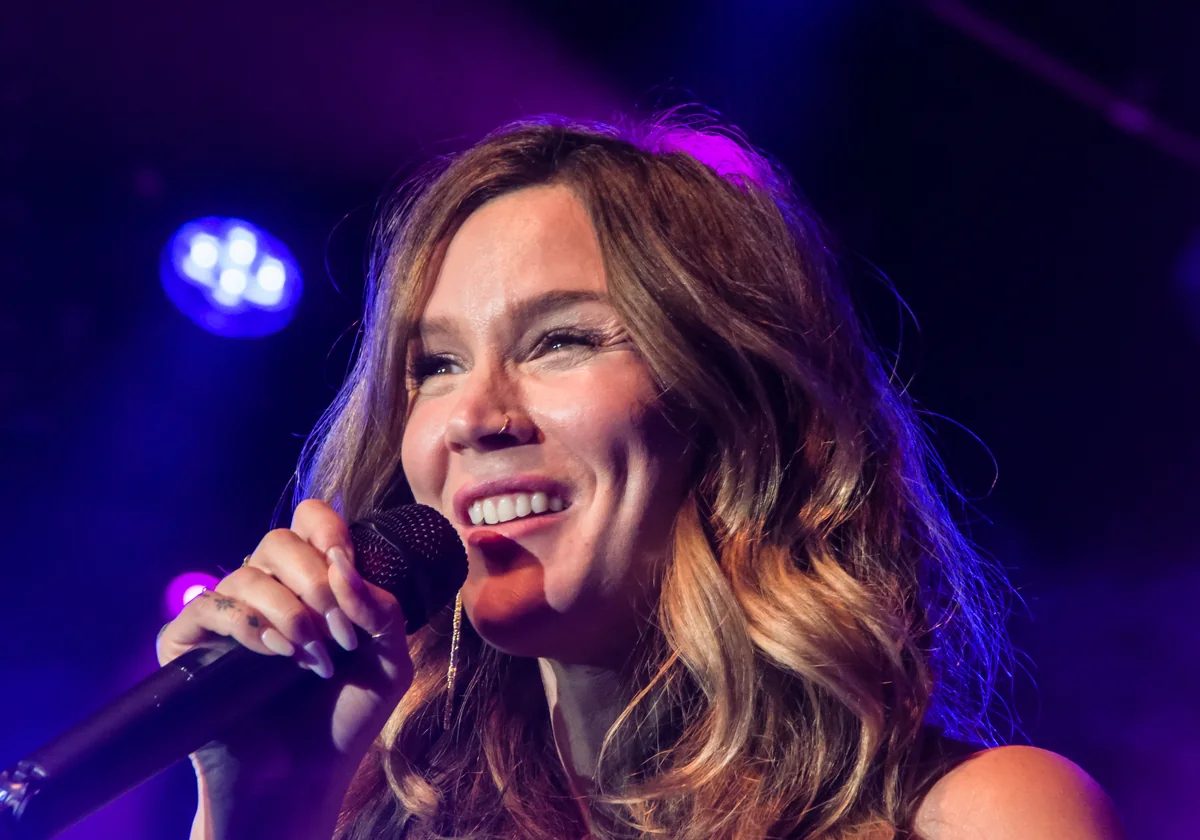
Soul promotion works when the campaign carries the same honesty as the performance. A technically perfect advert cannot replace a vocal that sounds lived-in, a lyric listeners recognize as their own, or footage that proves the singer can hold a room. Your job is not to manufacture emotion around the record. It is to make the record’s existing emotional truth easy to understand, share and remember.
That changes the campaign. Rather than chasing every possible channel, build a small narrative around the voice, show credible live evidence, and earn repeated support from soul radio, selectors and communities whose recommendations mean something. The broader music promotion by genre guide explains the framework; this playbook adapts it to soul’s relationship-driven discovery culture.
Position the song before you promote it
Write one sentence that identifies the song’s emotional situation, sonic lineage and ideal listener. “A soul song about love” is too broad. “A slow-burning Southern soul confession for listeners rebuilding trust after a breakup” gives a radio host, writer or fan something concrete to repeat.
Then choose two or three accurate reference points. Separate sound from stature: “gospel-shaped backing vocals, warm live drums and modern low end” is useful; “the next Aretha Franklin” is neither credible nor informative. Decide whether the release sits closest to classic soul, neo-soul, retro-soul, contemporary R&B-soul, psychedelic soul or a regional tradition. That choice should guide your artwork, outlet list and live-session arrangement without forcing the music into a false box.
Build three campaign assets from the same core idea:
- a one-line emotional promise for captions and pitches;
- a 70–100 word story explaining the lyric, performance and recording choices;
- a short spoken introduction the artist can give before a live take.
Consistency matters more than slogans. If the song is intimate and bruised, a high-gloss comedy trend may create reach but weaken the listener’s first encounter with the voice.
Make the voice your primary creative asset
For soul, performance is content. Record one definitive live session rather than ten interchangeable lip-sync clips. A rehearsal room, church hall, record shop, small theatre or uncluttered studio can all work if the room supports the song. Capture a full horizontal performance for YouTube and press, then frame separate vertical takes for Reels, Shorts and TikTok. Do not crop the only master into every format.
Prioritize a clean vocal, visible musicianship and an arrangement that differs meaningfully from the master: stripped piano, organ and voice, a trio take, or a gospel-choir passage. Keep natural breaths and dynamics. Over-editing can remove the proof that soul listeners and bookers are looking for.
From that session, prepare:
- one complete performance;
- a 30–45 second emotional peak;
- a verse or pre-chorus that makes sense without context;
- a brief clip about the lyric’s real starting point;
- still photographs showing the artist, players and room.
On YouTube, a Short can point viewers toward a related long-form video when the channel has access to that feature; follow YouTube’s official related-video instructions rather than relying on a caption alone.
Where soul discovery compounds: the priority order
1. Soul radio, specialist shows and community tastemakers
Start with presenters, DJs, independent stations, record-store selectors, soul nights, newsletters and podcasts that already serve your lane. Twenty researched contacts are worth more than 500 generic addresses. Note the programme name, subgenre, territory, submission method and one recent track they supported. Pitch the specific song, not your whole career.
Send a private stream, clean downloadable WAV, radio edit if needed, artwork, concise story, release date and contact details. Mention a genuine programming fit in one sentence. Never imply that airplay is owed, and follow up once only unless the outlet invites conversation.
2. Your live and local network
Soul converts powerfully in rooms. Give previous ticket buyers, local musicians, choirs, venues, dance communities and record shops an early reason to care. Host a listening evening, film a one-take performance, or pair the release with a small headline set. Collect email sign-ups with permission, then send a personal release note instead of another generic social post.
A community partner should make sense beyond audience size. A neighbourhood venue, vinyl shop or cultural organization can offer context and trust that a random influencer cannot.
3. DSP discovery and direct fan ownership
Deliver the master and metadata early enough to inspect artist mapping, credits and lyrics. Spotify accepts editorial pitches for unreleased songs, one song at a time; its official pitching guidance also recommends submitting at least seven days before release for followers’ Release Radar consideration. Use precise genre, mood, culture and instrumentation fields. Explain what the song sounds like and what activity is actually planned—no inflated claims.
Update your Apple Music artist image and profile, and use the platform’s shareable creative tools as described by Apple Music for Artists. On Bandcamp, present lyrics, credits and story clearly; the official Bandcamp Artist Guide explains how followers and direct-to-fan communication work. An email address or direct supporter relationship remains valuable after a playlist placement ends.
4. Short-form storytelling and selective paid reach
Use short video to reveal meaning, not to disguise the song. Strong soul formats include an isolated first vocal take, the harmony stack being built, a musician explaining a pocket, or the artist telling the sentence that unlocked the lyric. Test two openings: one beginning immediately with the strongest sung line, another with a plainspoken story.
Only spend behind a clip that already earns attentive comments, profile visits or saves from relevant listeners. Optimize toward a useful next action—watching the full session, joining the mailing list or hearing the track—not empty views.
D-30 to D+30: a soul release plan
D-30 to D-22: define and prepare
Lock the positioning sentence, final master, credits, lyrics, artwork and metadata. Confirm distributor delivery. Build a list of soul radio shows, local tastemakers, writers, shops and live partners, separating priority contacts from wider outreach. Rehearse the alternate live arrangement and choose one room whose sound and visual character fit the song.
D-21 to D-15: capture proof
Film the full live session and vertical performances. Edit only the strongest moments and prepare captions, subtitles and stills. Create a private press page containing the master, live video, short biography, story, artwork, credits and contact. Submit the unreleased track through Spotify for Artists and complete any relevant platform profiles.
D-14 to D-8: begin the human outreach
Send individual pitches to first-priority presenters and tastemakers. Offer a clean radio file, interview availability or a station ident only where appropriate. Invite local supporters to the release performance or listening session. Publish the first story clip, focusing on the lyric’s emotional question rather than announcing that “new music is coming.”
D-7 to D-1: create recognition
Share a second, contrasting performance moment and the clearest part of the song’s story. Confirm links, descriptions, lyrics and artist profiles. Follow up once with contacts who are a particularly strong fit. Brief collaborators on a coordinated release-day window, but give each person suggested language rather than a compulsory copy-and-paste caption.
D0 to D+7: make the release feel alive
Lead with the strongest live excerpt and one clear listening link. Reply thoughtfully to comments that mention lyrics, memories or vocal moments; those responses deepen the story. Send the full session to supporters and outlets, thank confirmed radio hosts, and post any broadcast details accurately. Release a second asset within three or four days so the campaign does not vanish after launch night.
D+8 to D+30: extend the evidence
Publish the complete live performance, a harmony breakdown or an acoustic version. Re-approach suitable outlets only when you have new evidence, such as a strong session, live date or genuine piece of coverage. Review which source produced full-video views, mailing-list joins, purchases, saves and invitations. Record those lessons before planning the next single.
€0 Budget
Use a phone, window light and the quietest characterful room available. Put the available effort into rehearsal, vocal capture, personal outreach and editing one excellent session. Ask band members and a local venue to cross-share because they are genuinely part of the performance. Build a simple private press folder and contact fewer, better-matched shows. The scarce resource is time, so do not maintain five weak content series.
€100 Budget
Spend where credibility is most fragile. A short room hire, a competent live-audio engineer, microphone rental, subtitles or a focused local video edit may improve the core asset more than advertising. If the session is already strong, reserve a small amount to test the best-performing vertical clip with a tightly relevant geographic or interest audience. Keep money out of unverified playlist promises.
€500 Budget
Build one campaign centrepiece: a properly recorded multi-camera live session with clean vocal mixing and several deliberate cutdowns. Alternatively, split the budget among a modest venue partnership, photography, a radio-ready edit and measured retargeting. Do not spread €500 across dozens of cold boosts. Protect enough budget for the visual and audio proof that bookers, press and fans can reuse after release week.
Soul promotion mistakes that weaken trust
Hiding the singer behind aesthetics. Grain, vintage typography and analogue colour do not compensate for never showing a convincing performance.
Pitching “soul” as one undifferentiated market. A Northern soul DJ, a neo-soul playlist and a Southern soul programme serve different contexts. Research the lane.
Oversharing trauma to prove authenticity. Explain the emotional stakes without turning private pain into a campaign requirement. The artist controls the boundary.
Sending radio an incomplete package. A streaming link with no clean download, credits, release date or contact creates unnecessary work for presenters.
Buying questionable playlist or airplay packages. Guaranteed outcomes and unexplained audiences are warning signs. Choose transparent promotion and relationships you can evaluate.
Stopping when release day ends. Soul records often gain meaning through performances and recommendations. The live version, interview and local show can carry the song for weeks.
Soul release checklist
- Position the song by emotional situation, soul lane and listener
- Confirm master, clean edit if needed, lyrics, credits and metadata
- Deliver early and verify the correct artist profiles
- Rehearse and film one credible alternate live performance
- Export full-length, vertical, subtitled and still-image assets
- Build a researched soul radio and tastemaker contact list
- Prepare a private stream, downloadable WAV, artwork and short story
- Submit the unreleased song through relevant artist dashboards
- Invite local fans, musicians, venues and shops into the campaign
- Schedule D0, D+3, D+10 and D+21 story or performance moments
- Track meaningful actions: full views, replies, sign-ups, sales and saves
- Thank supporters and log relationships for the next release
If label outreach is part of the strategy, use the top soul record labels guide to research fit rather than sending the same message everywhere. When the song, assets and release story are ready, pitch your soul release to LISTN.