
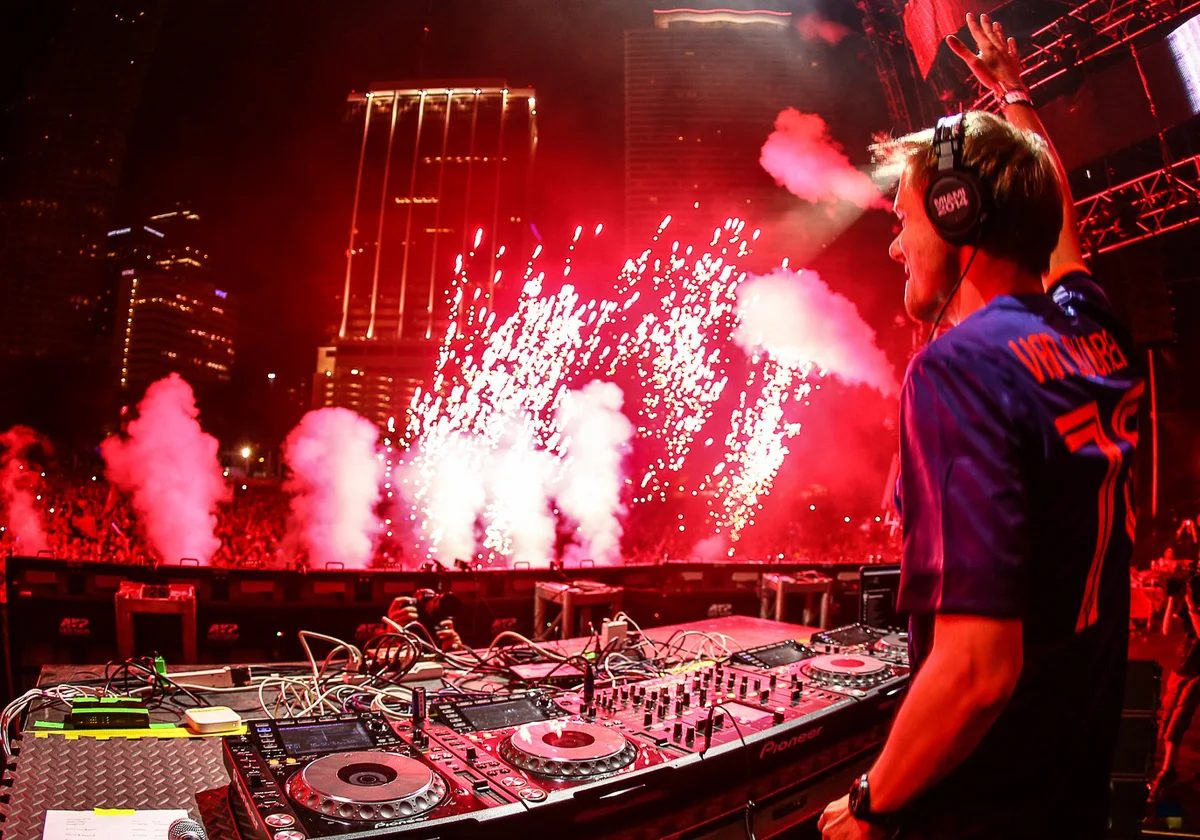
Trance promotion works when the campaign communicates movement, emotion and a precise DJ use case. A euphoric vocal single, a 138 BPM peak-time track and a deeper progressive-leaning record may share a genre tag, but they do not belong in the same set, radio show or fan conversation. Before paying for reach, make the release easy for the right person to understand and play.
This playbook turns one finished trance record into a focused sixty-day campaign. It is designed for independent artists and small labels, with priorities that still work when the budget is zero. For the broader framework, start with our music promotion by genre guide; this page applies that method specifically to trance.
Position the record in the trance ecosystem
Name the emotional promise and the set moment
Write a one-sentence positioning statement with three elements: substyle, emotional promise and set function. For example: “A 140 BPM uplifting trance record built around a hopeful vocal refrain for the final third of a peak-time set.” Another track might be “hypnotic, tech-driven trance for the transition from warm-up tension to main-room energy.” This sentence is an internal filter, not advertising copy.
Then list three audible proofs. They might be the lead melody, acid line, rolling bass pattern, vocal hook, orchestral breakdown or restrained drop. Use those proofs in every asset. A clip should not promise euphoria if its selected passage only contains drums. A DJ pitch should not call a track “progressive” if the extended mix jumps to maximum intensity in its first phrase.
Map nearby artists and labels by sound rather than fame. The aim is to answer “where could this be programmed?” If you need reference points, the trance record label guide gives a useful landscape, but never imply support from a label or artist that has not supported you.
Prepare versions for different listeners
Trance campaigns often need more than one listening path. The extended mix serves DJs and shows the functional intro and outro. A shorter edit lets a radio host or casual listener reach the main theme quickly. A clean instrumental can help when the vocal is the main obstacle for a specialist programme. Only create versions that improve a real use case; do not manufacture a remix pack to make the campaign look larger.
Create a compact private press page containing the master, downloadable WAV, streaming link when live, artwork, credits, BPM, key, release date, one-paragraph story and contact details. Private SoundCloud links can be shared outside the platform and reset if necessary, according to SoundCloud’s official guidance on secret links. Test the page on a phone and remove every access request or expired link.
Make the visual world support the lift
Choose imagery that matches the record’s emotional temperature. Uplifting trance may suit horizon light, human performance and clean movement; darker trance may need nocturnal architecture, lasers or abstract kinetic forms. Avoid default festival crowd footage unless the record has a genuine live story. Prepare one cover, a vertical performance clip, a visualiser loop, a DJ-friendly waveform moment and a simple talking clip explaining the musical idea.
Channel priorities, in order
1. Specialist DJs, radio shows and trance curators
Start with people who already programme your exact lane. Build a short list from recent tracklists, not old reputation. Separate club DJs, mix-show hosts, independent playlist curators, YouTube channels and editorial writers because each needs different evidence. For a DJ, lead with the extended mix, BPM and set function. For radio, lead with the edit and clean metadata. For a writer, lead with the story and why the record matters now.
Send individual messages in small batches. Mention one recent set, episode or feature that proves fit, then state the track’s sound in one sentence. Do not attach a large audio file. Give one stream link and one optional download. Follow up once with new information—release availability, a credible premiere or a strong live clip—rather than “just checking.”
2. Short-form performance and production video
Trance rewards visible payoff. Build clips around anticipation and release: eight bars of a melody being introduced, the vocal before the kick returns, a synth patch evolving into the hook, or a DJ transition that proves the extended mix works. The opening frame should identify the tension: “The breakdown needed more lift” is clearer than “new music soon.”
Record three formats: studio process, direct performance and listener context. In the studio clip, isolate the arp or lead before playing it in the mix. In the performance clip, show hands and the mix transition rather than miming. In the context clip, pair the record with sunrise, night driving or post-show footage only when you own or have licensed the material. Test several openings while keeping the core identity consistent.
3. Streaming profiles and release tools
Deliver early enough to claim and inspect artist profiles, credits and artwork. Pitch one focus track in Spotify for Artists before release; Spotify says unreleased music can be submitted to its editors and recommends delivery at least seven days before release for Release Radar eligibility in its official playlist-pitching guidance. A pitch is an opportunity, not a placement promise.
Write a factual pitch: subgenre, instruments, mood, vocal language, location and the campaign activity you will actually run. Update profile imagery and pin the release where platform tools allow. Ask listeners to save or follow only when it fits the conversation; avoid “engagement pods,” purchased streams and services that guarantee playlists.
4. YouTube, long-form mixes and searchable context
Publish a full visualiser or performance version with accurate artist, title and mix information. Add chapters when the video includes a breakdown of the production. A short DJ mix can demonstrate the record beside compatible music, provided you have the rights and follow the platform’s copyright rules. Do not assume a promotional upload is automatically permitted: YouTube explains that uploads are scanned by Content ID and rightsholders can block, monetise or track matches in its Content ID overview.
Searchable titles outperform cryptic campaign slogans for people who do not know you. Put the artist and track name first, then the format: “Official Visualiser,” “Extended Mix” or “Studio Breakdown.”
5. Owned audience and direct support
Email the listeners who have already opted in. Give them one meaningful reason to return: early access to the extended mix, a production note, stems for an authorised remix contest or a live-set recording. On a direct-to-fan store, make the credits and version differences obvious.
D-30 to D+30 release plan
D-30 to D-22: package and map
Lock masters, credits, identifiers, artwork and dates. Deliver to distribution. Prepare the radio edit and extended mix if both have a real purpose. Write the positioning sentence, create the private press page and build a list of 25–40 relevant contacts. Confirm every target using recent output. Film one production session and one DJ transition while the project files and equipment are already open.
D-21 to D-15: begin private outreach
Send the first, most tailored DJ and radio pitches. Give recipients enough time to audition the track before the release-week flood. Note replies, downloads and specific comments in a simple sheet. Do not turn silence into repeated chasing. Publish one teaser that establishes the musical motif without giving away every payoff.
D-14 to D-8: create recognition
Reveal the title, artwork and date. Post the strongest hook in two distinct contexts—perhaps a synth breakdown and a live mix—not two near-identical edits. Submit the focus track through eligible streaming tools, check all landing-page destinations and invite existing supporters to pre-save only if that action is genuinely useful to them.
D-7 to D-1: prove the record’s function
Share the extended-mix transition, a concise story behind the main theme and any confirmed, attributable support. Send one follow-up to high-fit contacts who received the first pitch. Provide radio hosts with the edit, clean metadata and pronunciation notes. Schedule launch assets, but leave room to respond to real support.
D0 to D+3: concentrate attention
On release day, make the listening link obvious. Publish the full visualiser or performance clip, update artist profiles and email opted-in listeners. Thank named supporters only after their post, show or playlist is public. Reply to substantive comments and save useful audience language; listeners may describe the emotional effect more clearly than your campaign copy.
D+4 to D+14: extend the story
Turn real signals into follow-up assets: a radio timestamp, a recorded club transition, a fan-made clip used with permission or a breakdown of the lead sound. Contact a second wave of curators with fresh context. Release the extended mix later only if the spacing creates a meaningful new moment; otherwise keep all attention on one release page.
D+15 to D+30: document and deepen
Publish a longer studio walkthrough, guest mix or reflective post. Review which outreach produced listens, replies, downloads or programming—not just impressions. Export your contact notes, thank people who gave useful feedback and record what to repeat. Let the record feed the next campaign without forcing it to remain “new” forever.
Realistic trance promotion budgets
€0: labour over reach
Use free editing tools, your phone, a private listening page and a carefully researched contact sheet. Allocate time to ten excellent pitches, three strong clips, a full visualiser and one email. Trade skills with a trusted photographer or vocalist only when the exchange is explicit and fair. The limiting resource is focus, so do not open six social channels you cannot maintain.
€100: improve the campaign’s weakest proof
A sensible split is €40 for a clean visualiser or artwork adaptation, €30 for targeted asset editing and €30 reserved for a small, controlled test on the clip that already performs best organically. If your visuals are strong but the master is not competitive, spend the whole amount on a professional quality-control listen or mastering contribution instead. Never pay for guaranteed streams, chart positions or unnamed playlist access.
€500: build a reusable asset system
One practical allocation is €180 for a half-day performance shoot, €100 for six vertical edits, €80 for artwork and format adaptations, €90 for measured advertising tests and €50 for contingency or captioning. An alternative for a DJ-led release is €150 for mix/master quality control, €150 for a filmed live session, €100 for edits and €100 for tests. Keep paid media narrow: one territory, one listener context and one clear destination at a time.
Trance-specific mistakes to avoid
- Selling only the breakdown. A huge breakdown may attract casual views while hiding whether the drop, groove and extended intro work for DJs.
- Using “uplifting,” “progressive” and “tech” interchangeably. Loose tagging sends the record to incompatible programmes and weakens trust.
- Pitching a radio edit to club DJs without the extended mix. Make the playable version immediately available.
- Making every visual a generic festival aftermovie. Show the musical craft, the actual performer or a distinctive emotional world.
- Claiming unsupported DJ backing. A private download, casual reply or social like is not public support.
- Releasing too many versions at once. Give listeners a clear focus track and explain why another version exists.
- Buying opaque promotion. Guaranteed placements and artificial activity can waste money and damage the quality of your audience data.
Final checklist
- Positioning sentence names substyle, emotion and set moment.
- Master, radio edit and extended mix have clear roles.
- Artwork, credits, BPM, key, date and contact details are correct.
- Private stream and download work on mobile without permission requests.
- DJ, radio, video and streaming targets are separated by use case.
- Outreach references recent, relevant programming.
- At least three clips reveal different evidence from the same record.
- Spotify pitch is factual and submitted early enough for consideration.
- Rights are cleared for every piece of audio, footage and artwork.
- Release-day profiles, links, visualiser and email are ready.
- Follow-up adds news or evidence instead of repeating the first message.
- Results will be reviewed by meaningful actions, not vanity reach alone.
A trance campaign does not need to be loud everywhere. It needs to make the record’s emotional lift and programming value obvious to the right listeners, repeatedly and honestly. Once your assets, versions and target list are ready, you can pitch your release to relevant radio curators with LISTN and keep the campaign focused on genuine fit.