
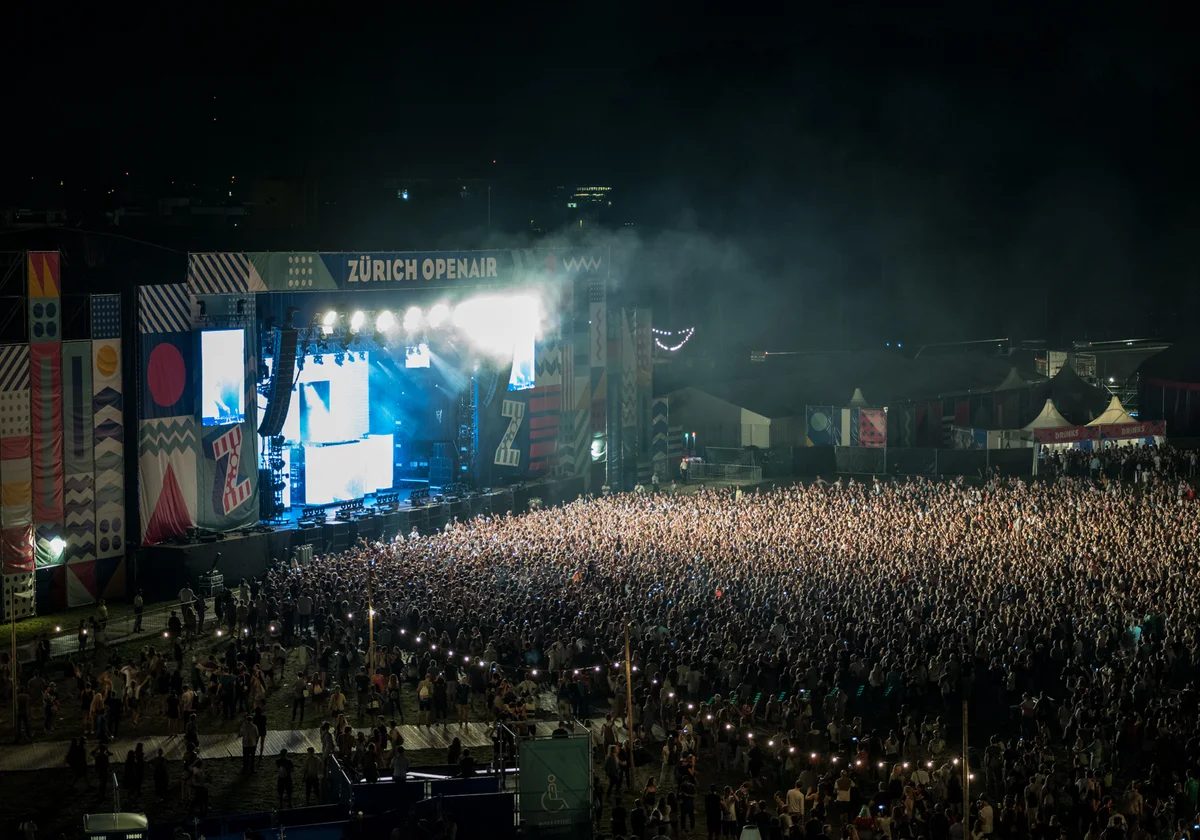
Tropical house promotion works when the campaign sells a believable moment, not a stock image of a beach. The genre can sit between relaxed dance music, melodic pop and playlist-friendly chill, so the same record may be heard during a sunrise drive, a hotel-pool set, a study session or a warm-up before a club night. Your job is to choose the primary context and make every asset reinforce it.
This playbook turns that choice into a 60-day campaign. It complements the wider music promotion by genre guide and the top tropical house record labels guide, which is useful when your release is genuinely ready for label outreach.
Start with the listener context, not the genre tag
Before contacting anyone, write a one-sentence positioning line that names the emotional promise, the strongest musical detail and the listening situation. For example:
A wistful sunset record built around a close-miked vocal and marimba-like pluck, made for late-summer drives rather than peak-time clubs.
That is more useful than “a fresh tropical house banger.” It helps a video creator imagine footage, a curator understand sequencing and a radio producer hear where the song belongs.
Choose one of three practical lanes:
- Vocal crossover: the topline and lyric are the entry point. Lead with the singer, a clean hook and vertical performance clips. Pop, travel and lifestyle audiences may matter more than dance purists.
- Instrumental escape: a distinctive guitar, flute, whistle, steel-drum-like texture or pluck carries the identity. Lead with scenery, process and mood, but avoid presenting another culture as a costume.
- DJ-friendly warm-up: groove and gradual energy matter most. Lead with an extended mix, clean intro/outro, tempo and mix context for selectors.
Do not market all three lanes equally. A soft instrumental cut framed as a festival anthem creates the wrong expectation; a strong vocal hidden behind generic aerial footage wastes its best asset. Keep a secondary angle for testing, but make the primary promise obvious in the cover, first sentence and first two seconds of video.
Build a compact release package
Prepare one canonical folder or private page with the WAV, radio edit, instrumental if available, clean artwork, credits, lyrics, short biography and contact details. Add a 15-second hook, a 30-second vertical edit, a square visual loop and a full-length visualizer. For DJ outreach, include BPM, key, intro length and an extended version only if it genuinely improves mixing.
Metadata should be consistent everywhere. On SoundCloud, use one accurate main genre and relevant tags rather than a cloud of adjacent terms; SoundCloud’s own guidance says the first tag is treated as the main genre and recommends truthful genre information (SoundCloud Help). “Tropical house,” “chill house” and a mood tag may all be defensible, but only when listeners would recognize them in the record.
Channel priorities, in order
1. Short-form video built around a repeatable moment
Tropical house has a natural visual advantage, but sunsets alone are interchangeable. Create three content families around your song’s specific identity:
- Hook recognition: the vocalist performs the most memorable line, or the lead instrument enters after a one-beat visual cue.
- Transformation: show the dry guitar, whistle or pluck becoming the finished drop through two or three production steps.
- Use context: pair the record with a real morning commute, coastal walk, rooftop setup or travel diary that fits the positioning.
Publish variants, not duplicates. Change the opening image, on-screen line and starting point while keeping the same musical payoff. Invite a few small travel, surf, wellness, photography or hospitality creators whose visual language already fits. Offer a clean snippet and permission terms; do not demand a scripted endorsement.
2. YouTube visualizer, creator outreach and search intent
A well-titled visualizer gives the full song a home and lets short-form clips point somewhere durable. Schedule it as a Premiere only if you can bring a real audience to the chat; YouTube explains that Premieres create a public watch page where viewers can set reminders, chat and comment (YouTube Help). Otherwise, publish normally and spend the time answering early comments.
Contact a small list of travel-film, drone, van-life and chill-mix channels with a tailored note: identify a specific recent upload, explain why your track fits and state the usage terms. Never imply that “royalty free” means no conditions. If you offer usage, put the license scope, platform, credit line and monetization permission in writing.
3. Spotify editorial and independent playlist pitching
Pitch Spotify before release from Spotify for Artists. Only one unreleased song can be pitched at a time, and submitting at least seven days before release also places that song in followers’ Release Radar, according to Spotify for Artists. Describe the real instruments, vocal language, mood and listener context; do not spend the field praising yourself.
For independent playlists, separate tropical/chill house specialists from broader summer, travel, poolside and acoustic-electronic mood playlists. Check whether recent additions match your tempo and vocal density. A concise pitch should state the sonic reference point, the exact moment that earns attention and why the song fits that playlist’s current flow. Avoid paid guaranteed placement and artificial streaming packages.
4. DJs, SoundCloud and mix ecosystems
Send DJ downloads selectively to warm-up, beach-club, resort, melodic-house and open-format selectors. A DJ needs a functional asset, not a lifestyle essay: private stream, download, BPM, key, version name and one sentence about the best set position. Ask for honest consideration, not proof of play.
Upload an approved full version or preview to SoundCloud with consistent metadata. Comment thoughtfully on relevant sets and tracks before release week; appearing only to paste a link is not community participation. If a DJ supports the song, ask permission before turning the clip or tracklist into campaign content.
5. Radio, blogs and lifestyle curators
Tropical house can travel beyond electronic press. Build separate lists for dance radio, chill programs, student radio, travel publications, fitness/wellness outlets and regional media connected to the artist or vocalist. Each group needs a different lead. Dance radio may care about the radio edit and clean intro; a travel editor may care about the story behind a location or field recording.
Research names and submission rules from the outlet’s current website. Never claim previous support you cannot document. If targeted radio and industry outreach fits the plan, you can start a focused LISTN campaign once the music, assets and positioning are complete.
6. Direct fans and Bandcamp
Bandcamp is a supporting channel for this genre, not automatically the center. It becomes useful when you can offer an extended mix, instrumental, stems, high-resolution artwork or a small physical item. A pre-order can include one or more immediately streamable tracks, while the full release is delivered when the album is published; the setup details are documented by Bandcamp Help. Use it only when the extras reward existing fans rather than delaying the main single.
D-30 to D+30 timeline
| Window | Actions | Decision point |
|---|---|---|
| D-30 to D-24 | Lock master, artwork, credits and primary listener context. Deliver to the distributor. Build the EPK, contact lists and six short-form concepts. | Can a stranger describe the mood and use case after one asset? |
| D-23 to D-15 | Submit the Spotify editorial pitch. Privately approach selected DJs, creators and radio producers. Film hook, process and context clips in batches. | Which contacts fit the vocal, instrumental or DJ lane—not merely the genre name? |
| D-14 to D-8 | Announce the release, open pre-saves if useful, post two distinct hooks and confirm creator permissions. Upload the YouTube visualizer privately for checks. | Which opening earns saves, comments or full-view behavior without paid support? |
| D-7 to D-1 | Send the final reminder to priority contacts, share a production breakdown, test the strongest vertical edit and verify every destination link. | Is one message clearly outperforming? Shift effort to it. |
| D0 to D+3 | Publish the full song and visualizer, update profiles, answer comments and send one release-day note to opted-in fans. Capture legitimate DJ, radio or creator support. | Where are qualified listeners arriving from? |
| D+4 to D+14 | Release the best alternate asset: live vocal, extended-mix excerpt, instrumental breakdown or creator collaboration. Follow up once where permitted. | Which audience retains interest beyond the hook? |
| D+15 to D+30 | Publish a contextual recap, thank supporters, pitch evidence-backed follow-ups and document lessons for the next release. | Continue the strongest lane; stop channels producing only empty impressions. |
Realistic budgets
€0: focused and manual
Use your phone, natural light and one visually coherent location. Make six to nine clips from one shoot, edit the visualizer yourself, pitch Spotify on time and contact 20 carefully researched creators, DJs, playlists or shows. Spend effort on personal notes and follow-up tracking. The trade-off is reach: you are buying nothing, so relevance and consistency must do the work.
€100: improve the campaign’s weakest asset
Choose one bottleneck. Spend roughly €40–€60 on a strong vertical edit or simple motion loop and the remainder on transport, a location fee, props or a small test behind the best-performing post. Do not split €100 across five cold ads. If the raw performance clip is already strong, use the money to create a clean DJ extended edit or properly subtitle the vocal content instead.
€500: create quality, then amplify evidence
A sensible split is €180 for a half-day visual shoot, €100 for editing multiple vertical versions, €70 for artwork or motion adaptation and €150 held for measured amplification. Run the paid test only after organic posts reveal a credible hook and audience. Target contexts aligned with the track—chill dance, travel, wellness or a relevant artist affinity—rather than the broadest “EDM” audience. Budget for assets and learning, never promised streams or guaranteed playlist positions.
Tropical house mistakes that flatten a campaign
- Using generic paradise imagery. A random beach says nothing about the song. Connect the visual to the lyric, instrument, artist location or a repeatable color and motion language.
- Overselling energy. Tropical house often wins through ease, warmth and restraint. “Massive festival drop” copy can repel the listener who wants a melodic escape.
- Copying a famous producer’s identity. References can orient a curator, but imitation-based branding makes the artist replaceable. Lead with your singer, cultural background, unusual instrument or songwriting perspective.
- Ignoring season and geography. Northern-hemisphere summer is not the only window. Warm-weather travel, indoor wellness, winter escape and southern-hemisphere seasons offer other contexts. Adapt the pitch; do not pretend every market is at the beach.
- Sending one version to everyone. A DJ may need an extended intro, radio needs a concise clean edit, and a creator needs a cleared hook. Label files clearly and send only the relevant version.
- Treating “chill” as permission for a slow campaign. Editorial deadlines, creator coordination and metadata checks still require D-30 preparation.
- Buying superficial proof. Fake streams and guaranteed placements do not build a usable audience and can distort every later decision.
Final release checklist
Positioning and music
- One primary lane and listener context are written in plain language.
- The radio edit, original and optional extended mix are clearly labeled.
- Credits, lyrics, metadata and artwork are consistent.
- Every cultural or instrumental reference is represented respectfully and accurately.
Assets and rights
- The EPK contains WAV, private stream, biography, artwork and contact details.
- Hook, process and use-context vertical clips are ready.
- The full visualizer and thumbnails work on mobile.
- Creator usage and monetization terms are written down.
Outreach and measurement
- Spotify is pitched at least seven days before release.
- DJ, creator, playlist, radio and lifestyle lists are separated.
- Every pitch explains a specific fit and follows the recipient’s rules.
- Links are tagged or otherwise traceable without collecting unnecessary personal data.
- Release-week comments, replies and one permitted follow-up are scheduled.
- D+14 and D+30 reviews will compare qualified actions—saves, replies, repeat engagement and useful support—not impressions alone.
A tropical house campaign should feel as deliberate as the production: spacious, melodic and free of clutter. Define the moment, give each channel the version it can actually use, and let real listener behavior decide what continues after release day.