
Ambient music rewards attention to space, duration and timbre, but the field is far wider than beatless synthesizer pads. Contemporary catalogues move through drone, electroacoustic composition, environmental recording, modern classical music, dub, experimental electronics and new age. That range makes label research essential. A patient, immersive record can still miss if its materials and listening context do not match the catalogue. These ten active labels offer distinct reference points for ambient artists in 2026, from foundational institutions to focused independent imprints.
Make space a compositional decision
Ambient production depends on development even when change happens slowly. Give each sustained tone a role in the spectrum, automate movement with intention and listen for masking in the low mids. Field recordings should establish place or rhythm rather than serve as automatic atmosphere. Test long pieces at normal volume, very quietly and on headphones; clicks, abrupt edits and uncontrolled resonances become obvious when the arrangement is sparse. Before approaching a label, compare several recent releases and note their treatment of silence, acoustic sources, mastering dynamics and physical formats.
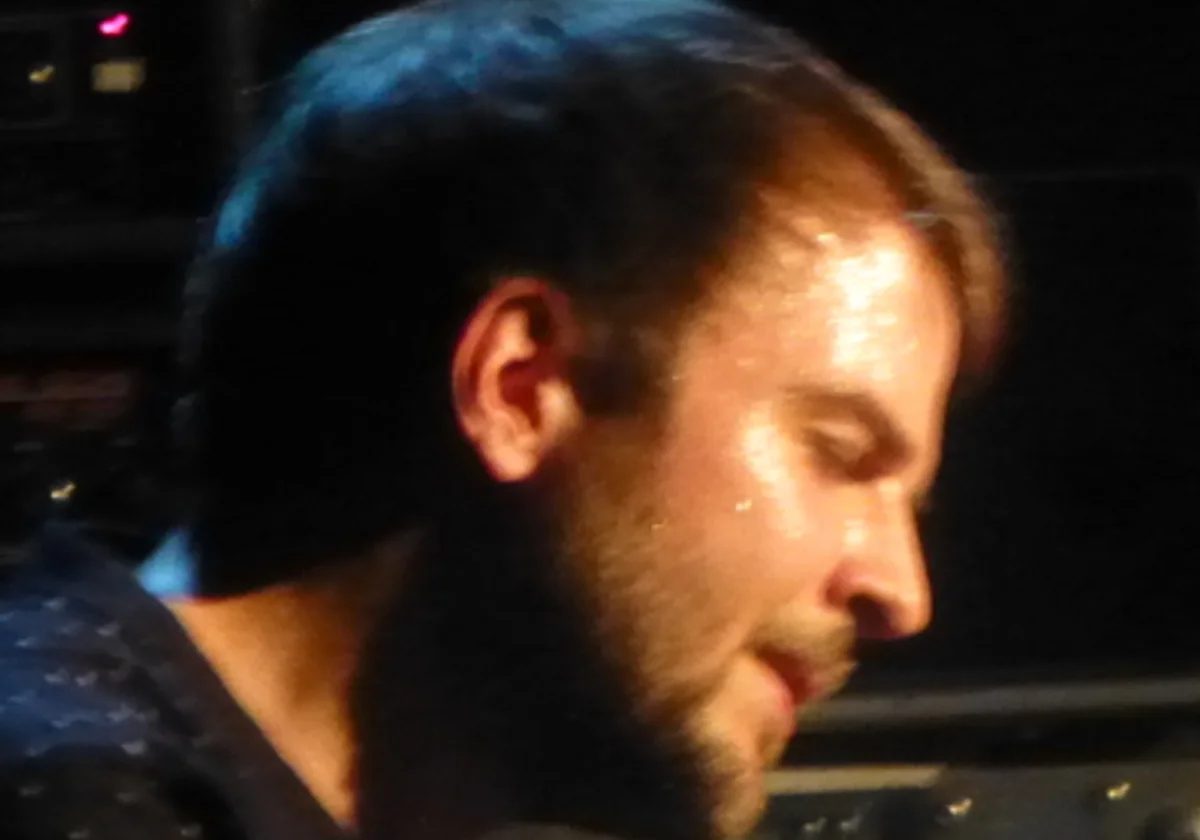
Representative artist: Nils Frahm
Nils Frahm shows how ambient composition can connect intimate recording, acoustic performance and electronic process. Spaces turned concert rooms and audience noise into part of the music; All Melody expanded his palette through pipe organ, voice, rhythm and purpose-built studio acoustics; and the three-hour Music for Animals made duration itself an expressive tool. His work remains relevant because it treats piano, tape, synthesizer and room tone as equal materials rather than layering ambience behind a conventional lead. Producers can study his control of touch and decay: notes are allowed to age, mechanical noise carries emotional weight and repetition changes through performance. The useful lesson is not to copy felt piano, but to design a listening environment in which every sound has a physical place.
Cover: Nils Frahm. Photo by Gnuish, via Wikimedia Commons, CC BY-SA 3.0 (modified).

Top 10 ambient record labels
1. Kranky — deep listening with a durable identity
Kranky is central to modern ambient, drone and atmospheric experimental music. Its catalogue joins the glacial electronic worlds of Loscil and Tim Hecker to guitar abstraction, slowcore and the carefully textured work of artists including Pan American. The label rewards records that sustain a complete emotional climate across an album. A relevant submission needs distinctive sound sources, disciplined pacing and a sequence that develops beyond a collection of interchangeable mood pieces.
2. 12k — microsound, field recording and acoustic detail
12k, founded by Taylor Deupree, has refined a precise meeting point between minimal electronics, field recording and acoustic instrumentation since 1997. Its releases often make small gestures feel structural: a contact-mic scrape, room reflection or decaying guitar tone can carry an entire passage. Producers should present high-resolution mixes with natural dynamics and carefully documented sources. Restraint matters, but each texture still needs personality and an audible relationship to the surrounding silence.
3. Room40 — experimental sound grounded in listening
Room40 is Lawrence English's Brisbane-based platform for ambient, drone, electroacoustic and sound art. Its catalogue embraces environmental recordings, processed instruments and physically intense low-frequency work without enforcing one aesthetic. A strong fit demonstrates a clear listening proposition: where was the sound captured, how was it transformed and what does its duration reveal? Supply accurate credits and technical notes, especially when installations, multichannel versions or unusual recording methods are part of the project.
4. A Strangely Isolated Place — melodic immersion and place
A Strangely Isolated Place developed from an ambient blog and mix series into a respected record label. Its releases favour immersive albums where melody, environmental memory and detailed electronics create a strong sense of place. The catalogue can accommodate drifting ambient, dub-informed depth and gently rhythmic electronica. Artists should offer a coherent long-form journey, identify how artwork supports the setting and avoid relying on broad descriptors such as “cinematic” without explaining the record's specific world.
5. Leaving Records — ambient as an open community
Leaving Records describes itself as “All Genre,” yet ambient, new age and experimental listening form an important part of its Los Angeles catalogue. Laraaji, Ana Roxanne, Green-House and Carlos Niño illustrate a community-led approach that connects recordings with outdoor performance and collaboration. A suitable project needs generosity and character as well as polish. Explain the musicians, practices or environments behind the music, and show how the release can exist as a shared experience rather than anonymous background audio.
6. Ghostly International — atmospheric music with visual coherence
Ghostly International works across ambient, electronic music, art-pop and design. Records by Khotin, Helios, Geotic and Whatever The Weather show several routes into atmospheric listening, from warm melodic loops to fractured club memory. The label's broad reach makes a defined artist identity crucial. Present a finished recording, concise visual direction and a release narrative that can support continued work. Sound design should serve memorable composition rather than function as a portfolio of production techniques.
7. Erased Tapes — modern composition beyond fixed categories
Erased Tapes connects ambient electronics with contemporary classical music, piano, ensemble writing and adventurous studio production. Nils Frahm, Ólafur Arnalds, Hatis Noit and Rival Consoles demonstrate how acoustic performance can meet detailed processing without becoming decorative. The label does not accept unsolicited demos, so use its catalogue as a benchmark rather than forcing contact. Develop a complete artistic language, strong live potential and recordings that remain emotionally legible beneath their technical detail.
8. Astral Industries — immersive worlds and physical editions
Astral Industries specialises in long-form ambient and experimental releases presented as self-contained sonic environments. Its catalogue includes deep electronics, drone and dub-adjacent work by artists such as Rod Modell and Marco Shuttle. Movement is often gradual but never arbitrary. A fitting album should reward uninterrupted listening, control the sub-bass carefully and maintain narrative tension across extended pieces. Sequencing and artwork need to reinforce the same imagined space.
9. Past Inside the Present — contemporary ambient with emotional focus
Past Inside the Present supports contemporary ambient, drone and modern classical releases with an emphasis on carefully produced physical and digital editions. Its catalogue is useful for artists working with sustained harmony, processed guitar, piano and cinematic scale. A submission should separate itself from generic sleep or study music through recognisable tone, compositional movement and a clear album concept. Preserve dynamics and provide masters that translate without flattening delicate high-frequency detail.
10. RVNG Intl. — experimental context and archival dialogue
RVNG Intl. releases forward-looking experimental music while also building thoughtful connections to overlooked histories through archival and collaborative projects. Ambient work fits when it carries cultural, conceptual or instrumental depth beyond surface mood. Research and attribution are especially important. Document source recordings, collaborators and processes, then explain why the project belongs in the present. A persuasive record can be quiet, but its perspective should be unmistakable.
LISTN Ambient radio coverage
LISTN maps Ambient campaigns to its ambient category. As of September 14, 2026, this category covers 25 distinct radios across 15 countries. The five leading countries are the United Kingdom (7), Germany (3), France (2), South Africa (2) and Argentina (1).
Complete radio count by country
United Kingdom: 7; Germany: 3; France: 2; South Africa: 2; Argentina: 1; Belgium: 1; Bulgaria: 1; Canada: 1; Chile: 1; Costa Rica: 1; Italy: 1; Kenya: 1; Mexico: 1; Portugal: 1; United States: 1.
Build a focused ambient campaign
Prepare a lossless master, full credits, recording locations, instrument details and clean metadata. If a piece is long, choose a representative preview that reaches its central texture without misrepresenting the form. Describe the project precisely: electroacoustic ambient, drone, environmental composition, modern classical, ambient dub or generative electronics. Confirm sample and field-recording permissions, and provide alternate edits only when they preserve the musical logic.
Use listener, touring and prior-support data to prioritise countries, then inspect station schedules and recent tracklists. The country totals above establish a research order; the final list should follow programme fit and listening context. Keep artwork, metadata and versions consistent across every link. When the record and target shows align, build a focused LISTN campaign.