
Contemporary R&B moves through intimate songwriting, electronic sound design, hip-hop rhythm, African pop and classic soul without losing the singer at its centre. The labels below are building that present tense through focused artist development, producer networks and release strategies that let distinctive voices travel. For artists, the useful question is not which company looks largest, but which catalogue already understands the emotional scale, sonic detail and audience surrounding the record.
What contemporary R&B labels listen for
A convincing submission needs a vocal identity that survives outside the mix, writing with specific emotional stakes and production that rewards close listening. Prepare the clean master, instrumental, performance version, lyrics and complete songwriter and producer splits before making contact. Labels also need to see a coherent world across artwork, live performance and several songs. Match the pitch to the company’s current releases: a stripped neo-soul record, a nocturnal trap-R&B track and an experimental electronic vocal each need a different home.
Representative artist: Tems
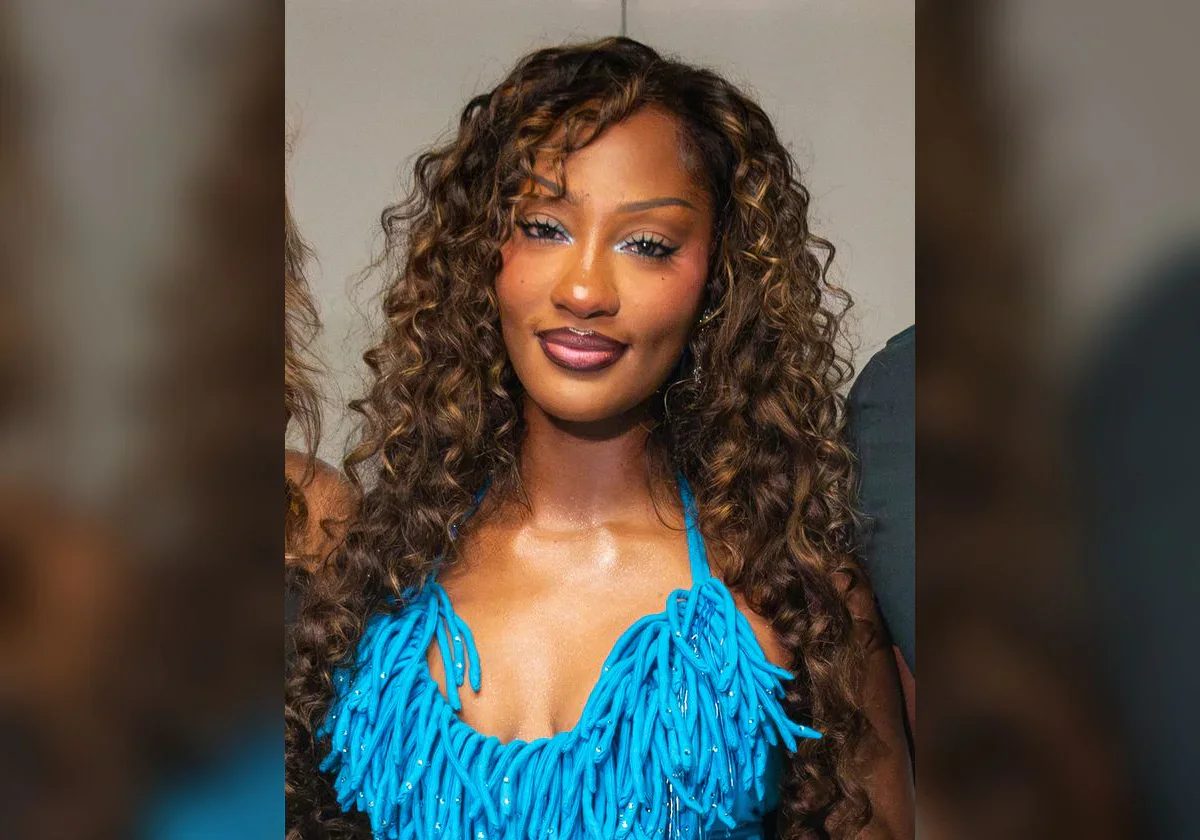
Tems represents contemporary R&B’s widening geography and vocabulary. Her low, textured vocal can sit inside sparse percussion, layered harmony and open space while remaining immediately identifiable. The self-produced EP For Broken Ears introduced that interior sound through “Higher”; If Orange Was a Place sharpened its blend of soul, R&B and alté rhythm; and Born in the Wild expanded the frame with “Me & U” and “Love Me JeJe.” RCA’s current artist page also lists Love Is a Kingdom, keeping her catalogue active beyond the debut album cycle. Tems matters now because she treats genre fusion as songwriting rather than decoration: rhythm, register and silence all carry emotional meaning. Developing artists can learn from that discipline—build a voice strong enough to connect several traditions, then keep the arrangements focused on what only that singer can communicate.
Cover: Tems. Photo by Polly Irungu / Maryland GovPics, via Wikimedia Commons, CC BY 4.0, modified.
.jpg)
Top 10 contemporary R&B record labels
1. LVRN — a complete development ecosystem
LVRN places label work, management and creative direction inside one Atlanta-rooted operation. Summer Walker, 6LACK, Odeal and Alex Vaughn show how that model supports different forms of vulnerable, rhythm-led songwriting without forcing one house sound. LVRN ranks first because its campaigns connect music, visual identity and community over several releases. A relevant pitch needs more than atmosphere: bring memorable writing, a repeatable visual language and evidence that listeners return for the artist’s perspective.
2. RCA Records — distinctive voices at global scale
RCA Records supports one of the broadest current R&B ranges, from SZA and H.E.R. to Victoria Monét and Tems. Its strength is scaling very specific voices while allowing albums to cross pop, soul, rap and international markets. RCA takes second place for pairing major-label reach with projects built around authorship and vocal character. Artists approaching this level need undeniable songs, a developed body of work and clear audience signals that show where a campaign can grow.
3. Since ’93 — British infrastructure with a global ear
Since ’93 connects UK artist development with a roster that includes Tems, Tyla, Cat Burns and Nectar Woode. That mix puts contemporary R&B beside alté, amapiano, pop and singer-songwriter traditions while keeping each artist’s origin audible. The label ranks third for recognising voices that can move internationally without sanding away regional character. Strong candidates should present precise songwriting, a credible cultural point of view and collaborators who strengthen rather than dilute that identity.
4. OVO Sound — restraint as a label language
OVO Sound has sustained a recognisable late-night R&B lane through PARTYNEXTDOOR, dvsn, Majid Jordan and Naomi Sharon. Negative space, close vocals, controlled low end and melodic tension recur across the catalogue, yet the roster remains varied enough to avoid simple imitation. OVO ranks fourth because it demonstrates how coherent curation can make individual releases reinforce one another. A fitting project needs a complete sonic environment and hooks that remain memorable inside deliberately sparse production.
5. 10 Summers — producer-led song architecture
10 Summers, founded by Mustard, brings a producer’s understanding of rhythm and arrangement to vocal development. Ella Mai’s catalogue shows the value of direct melodies, uncluttered drums and songs designed to work both privately and at radio scale. The imprint ranks fifth because its strongest R&B releases turn economical production into identity rather than minimalism for its own sake. Submissions should arrive with decisive hooks, disciplined structures and vocals that hold attention before additional production is added.
6. Top Dawg Entertainment — patient world-building
Top Dawg Entertainment has developed R&B alongside rap through artists including SZA, SiR, Zacari and Lance Skiiiwalker. Its best projects reward sequencing, recurring collaborators and a long view of artistic growth. TDE ranks sixth because it gives unusual voices enough space to become legible across full releases. Artists suited to this approach should bring a body of songs with an emotional and sonic thread, not unrelated demos assembled around one promising single.
7. Young — alternative R&B with album ambition
Young offers a home for records that connect R&B feeling with adventurous composition. Sampha’s Process and Lahai, alongside FKA twigs’ performance-led work, show how intimate vocals can support unusual rhythm, harmony and visual language. Young ranks seventh for treating experimentation as part of the song rather than a separate concept. A strong fit needs original musicianship, patient arrangements and an album idea capable of carrying meaning beyond individual tracks.
8. Platoon — flexible support for emerging voices
Platoon combines label services, creative resources and international development for artists working outside a conventional major structure. Its current R&B and soul activity around Fana Hues, Saint Harison and Arin Ray shows an ear for technically strong singers with modern production choices. Platoon ranks eighth for helping distinct projects build infrastructure without making them sound uniform. Artists should arrive with clear momentum, organised assets and a realistic plan for turning early audience response into a sustained release cycle.
9. Warp Records — electronic detail around the voice
Warp Records earns its place through Kelela, whose catalogue joins R&B phrasing to club architecture, ambient space and exacting sound design. The label’s electronic history gives that work a context where production can be radical without overwhelming the singer. Warp ranks ninth for supporting boundary-pushing records that still deliver emotional clarity. The right pitch needs a singular production system, purposeful collaborators and songs whose core remains strong when their textures become unfamiliar.
10. ISO Supremacy — artist-owned independence
ISO Supremacy turns Brent Faiyaz’s independent strategy into a creative imprint connected with UnitedMasters. Larger Than Life established the platform around concise, self-possessed R&B, while the 2026 album Icon keeps that artist-owned system active. ISO Supremacy closes the list because it represents a growing route in which catalogue control, visual direction and direct audience knowledge operate together. Artists pursuing this model need commercial discipline as well as creative freedom: reliable partners, clean rights data and a repeatable release operation.
LISTN contemporary R&B radio coverage
LISTN maps Contemporary R&B campaigns to its r&b category. As of September 15, 2026, this category covers 60 distinct radios across 25 countries. The five leading countries are the United Kingdom (9), the United States (9), France (6), Italy (4) and Venezuela (3).
Complete radio count by country
United Kingdom: 9; United States: 9; France: 6; Italy: 4; Venezuela: 3; Argentina: 2; Bulgaria: 2; Canada: 2; Colombia: 2; Ecuador: 2; Germany: 2; Namibia: 2; Nigeria: 2; South Africa: 2; Bermuda: 1; Chile: 1; Finland: 1; Greece: 1; Indonesia: 1; Netherlands: 1; Peru: 1; Philippines: 1; Poland: 1; Spain: 1; Thailand: 1.
Plan a focused contemporary R&B campaign
Lead with the song that reveals the singer’s identity in the first verse, then separate specialist R&B programmes from soul, hip-hop, pop, electronic and African music outlets according to the record itself. Supply clean and instrumental versions, complete credits, accurate metadata, a concise artist story and a live clip that proves the vocal. Use the country map to prioritise places where radio coverage overlaps with existing listener or social data. Give programmers one concrete reason the song belongs in their show, and keep every link current. When the release package is ready, build a focused LISTN campaign.