
Dub is built on transformation. A rhythm becomes raw material for bass, drums, space, echo and sudden absence; the mix itself becomes the performance. The labels that understand that language do more than release instrumental versions. They connect studio experimentation to sound-system culture, preserve foundational Jamaican methods and give new producers room to push dub into electronic, ambient and bass-heavy territory.
This ranking highlights ten active labels with distinct approaches to dub in 2026. The order weighs catalogue depth, present-day release activity, sonic identity, physical-format culture and usefulness as a reference point for artists planning a release. Each label offers a different answer to the same question: how can a mix carry weight, movement and personality after the vocal steps away?
How dub labels were ranked
A strong dub label needs more than a reggae-adjacent catalogue. The ranking favours imprints that treat mixing, versioning and sound-system playback as central creative decisions. It also rewards labels that maintain a recognisable visual and physical identity, because dub still travels through records, speaker stacks and selector culture as much as through streaming services. Historical influence matters, but current curation matters more: every entry gives artists a living catalogue to study rather than a famous name with no clear release direction.
Top 10 dub record labels
1. Ariwa Sounds
Ariwa Sounds remains a definitive bridge between dub technique and a functioning independent studio. Mad Professor built the South London operation around mixes where bass, reverb and delay create the arrangement, while the label's wider catalogue connects roots, lovers rock and vocal sessions to their dub counterparts. Ariwa is the clearest reference for artists who want production authorship, engineering identity and label identity to feel inseparable.
2. On-U Sound
On-U Sound turns dub into an open production system. Adrian Sherwood's catalogue links Jamaican rhythm science with post-punk, industrial texture, electronic music and global collaboration, yet the low end and mixing desk remain the centre of gravity. The label is especially useful to adventurous producers: it demonstrates how extreme processing can serve songs, ensembles and political energy instead of becoming a collection of effects.
3. Dubquake Records
Dubquake Records carries the physical force of O.B.F Sound System into a focused label catalogue. Its releases favour militant steppers rhythms, commanding vocal performances and mixes designed to make sense on large systems. That direct connection between dubplate culture, touring and official releases gives Dubquake unusual authority. Artists can study it for the way a recognisable sound becomes a durable community rather than a one-off production aesthetic.
4. Universal Egg
Universal Egg has long provided a home for Zion Train's progressive approach to dub. The label connects live instrumentation, electronic sequencing, roots vocals and European festival culture without smoothing away dub's physical pressure. Its catalogue is valuable for bands and hybrid live acts because it shows how studio versions, remixes and performance arrangements can reinforce one another across an extended release life.
5. Pressure Sounds
Pressure Sounds brings editorial discipline to Jamaican roots and dub archives. Its reissues are shaped as coherent listening experiences, with careful mastering, context and artwork that help recordings reach new audiences without losing their original atmosphere. Producers should look beyond the historical value: the label's sequencing reveals how vocal cuts, versions and alternate mixes can tell a deeper story when they are presented as connected material.
6. ZamZam Sounds
ZamZam Sounds has made the seven-inch single a precise vehicle for contemporary dub and bass music. The Portland label's limited releases connect roots-minded production with dub techno, halftime pressure and spacious electronic design. Its strength is focus: each record has a clear sonic proposition and a physical identity. That makes ZamZam a useful model for producers who can say more with two tightly paired cuts than with an overextended album.
7. Dub-Stuy Records
Dub-Stuy Records grows out of Brooklyn sound-system culture and treats dub as a meeting point for reggae, grime, dancehall and bass music. The catalogue's low-end discipline keeps hybrid releases coherent even when tempos and vocal styles shift. For artists working between scenes, Dub-Stuy demonstrates that crossover is strongest when the system, the mix and the intended dancefloor remain specific.
8. Steppas Records
Steppas Records represents the modern UK steppers continuum with a clear preference for heavyweight rhythm tracks, conscious vocals and spacious versions. Its catalogue connects established dub practice to newer producers without reducing the music to nostalgia. The practical lesson is arrangement: the strongest tracks leave enough room for bass movement, percussion detail and mixing gestures to register at sound-system scale.
9. Moonshine Recordings
Moonshine Recordings gives contemporary dub a broad European bass-music frame. The Polish label moves between roots-informed dub, dubstep, steppers and broken rhythmic forms while maintaining a dark, spacious sonic identity. It is a strong reference for producers whose tracks sit between traditional version culture and club-focused electronic music, particularly when sub-bass and restraint matter more than maximal arrangement.
10. Lion Charge Records
Lion Charge Records focuses on records made for sound-system impact. Its catalogue pairs dub producers and vocalists across roots, steppers and deep digital styles, with an emphasis on weight and directness. The label earns its place by showing how a compact independent imprint can build trust through consistent mastering, artwork and selection. For emerging artists, that consistency is often more instructive than catalogue size.
Artist focus: Dub FX makes the mix perform live
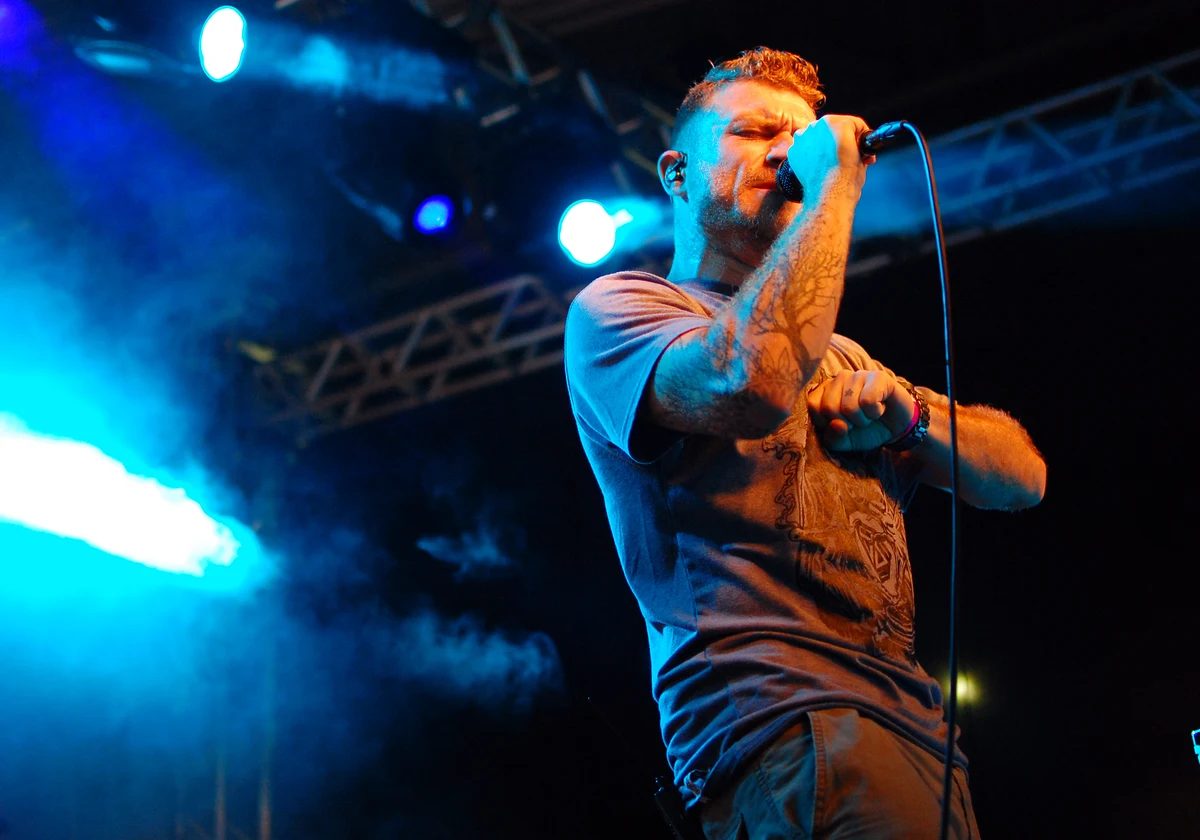
Dub FX is a useful contemporary lens on dub because he turns studio logic into a visible live process. Voice, beatboxing, looping and effects are layered in real time, so repetition never feels static: each pass can change the rhythm, harmony or depth of the mix. Everythinks a Ripple established his independent street-performance model, while Theory of Harmony expanded its songwriting and collaborative reach. Roots placed more emphasis on organic groove and vocal reflection, and Infinite Reflection sharpened the balance between bass pressure, melody and detailed loop construction. His current music and touring continue to show why dub is a method rather than a fixed period sound. For independent artists, Dub FX's relevance lies in control: he built a recognisable performance language, direct audience relationship and release identity from the same small set of musical decisions.
LISTN dub radio coverage
LISTN maps Dub campaigns to its reggae category. As of September 17, 2026, this category covers 39 distinct radio stations in 24 countries. The five largest country pools are the United Kingdom (7), the United States (4), Canada (3), Ecuador (2) and Ireland (2).
Complete radio count by country
United Kingdom 7; United States 4; Canada 3; Ecuador 2; Ireland 2; South Africa 2; Venezuela 2; Argentina 1; Belgium 1; Bolivia 1; Brazil 1; Bulgaria 1; Chile 1; Colombia 1; France 1; Guatemala 1; Hungary 1; Italy 1; Netherlands 1; Nigeria 1; Philippines 1; Portugal 1; Puerto Rico 1; Thailand 1.
Plan a focused dub campaign
Lead with the version that best demonstrates the mix. A roots dub, UK steppers track, digital dub cut and dub-techno crossover may share bass weight, but radio programmers hear different rhythmic priorities. State the tempo, vocal presence, production method and two accurate reference artists. If the release includes a vocal cut and a dub, identify which one gives a new listener the clearest entry point and explain how the second version extends it.
Sequence territories around fit. The United Kingdom is the largest LISTN pool for the reggae category and a natural first test for sound-system-led dub. The United States and Canada add broader specialist reach, while Ecuador, Ireland, South Africa and Venezuela offer useful secondary routes. Send concise context, clean radio edits where needed and artwork that remains legible at small size. When the master and metadata are ready, build a focused LISTN campaign.
Cover image credit: Dub FX, photographed by Diogo Rodrigues Gonçalves via Wikimedia Commons, CC BY 2.0, modified.
.jpg)