
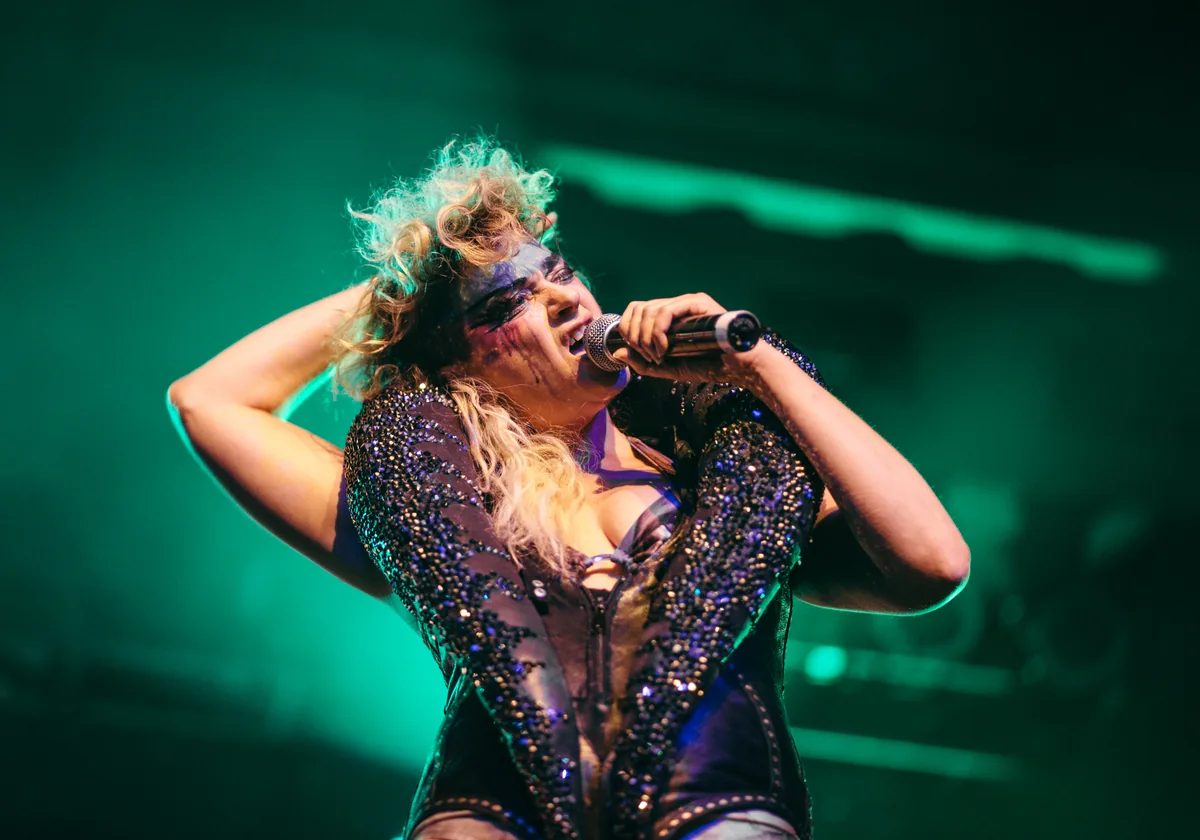
Electroclash still works because it refuses to separate club function from attitude. The genre's strongest records combine rigid drum machines, abrasive or seductive synth lines, spoken-sung vocals and the immediacy of punk performance. Its early-2000s flashpoint established a durable language that now feeds synth-pop, EBM, indie dance, dark disco and fashion-facing electronic music. The labels below matter because they preserve that history or give its central ideas a current route into clubs, physical editions and new audiences.
Make the persona serve the record
Electroclash can look simple on paper, but a convincing release needs more than an eighties preset and an ironic vocal. The groove must remain physical, the sound selection needs a recognisable edge and the performance has to communicate a point of view within seconds. Finish a clean club master and a concise radio edit where appropriate. Build visuals around the song's actual character, not a generic retro mood board, and prepare live footage that proves the project can carry its tension onstage. The most useful labels in this field hear image, rhythm and authorship as one proposition.
Representative artist: Peaches
Peaches made electroclash feel less like a revival and more like a direct confrontation. The Teaches of Peaches reduced punk economy, cheap drum-machine impact and deadpan hooks to a brilliantly portable form; Fatherfucker widened the guitars and collaborations, while I Feel Cream pushed the production toward brighter club electronics without softening her voice. Rub preserved that physical directness in a heavier digital frame. Her 2026 album No Lube So Rude, released through Kill Rock Stars, brings the same authorship into a new cycle of recordings and touring. Peaches remains relevant because the provocation is structural rather than decorative: vocal phrasing, beat, costume, humour and politics all reinforce the same idea. For new electroclash artists, that coherence is the lasting lesson. A strong persona does not compensate for a weak track; it makes a decisive track impossible to mistake for anyone else's.
Cover: Peaches performing at Sled Island in Calgary in June 2016. Photo by Levi Manchak, via Wikimedia Commons, CC BY 2.0 (modified).
.jpg)
Top 10 electroclash record labels
1. International Deejay Gigolo Records — the foundational catalogue
International Deejay Gigolo Records is the essential starting point. DJ Hell's Munich label connected Miss Kittin & The Hacker, Fischerspooner, Tiga, Vitalic, Dopplereffekt and Princess Superstar while electroclash was becoming a named movement. Its continuing release activity, including recent DJ Hell projects and new electro material, keeps that history in circulation rather than sealing it in an archive. Artists should study how the catalogue balances severe machine rhythm with voices and concepts that remain instantly identifiable.
2. Turbo Recordings — sharp club engineering with pop nerve
Turbo Recordings gives electroclash's wit and synthetic friction a durable club platform. Tiga's label has moved through Chromeo, Azari & III, Gesaffelstein, Duke Dumont and many harder techno currents without losing its taste for memorable hooks. Tiga's 2026 album Hotlife reconnects deadpan vocals, electro production and contemporary collaborators. Turbo is a strong reference for artists whose songs need to work as character pieces and as disciplined DJ tools.
3. DFA Records — the live-band route into electronic tension
DFA Records defined a parallel New York path through LCD Soundsystem, The Rapture, The Juan Maclean, Shit Robot and Delia Gonzalez. Its records often replace electroclash's programmed minimalism with live percussion, bass guitar and long-form disco arrangement, but the dry vocals and art-school pressure are closely related. Current releases from Fundido, EXEK and RIP Magic keep the catalogue open to unusual hybrids. It suits projects that can preserve human abrasion inside precise dance-floor structures.
4. BPitch — Berlin electronics built around strong authorship
BPitch links electroclash's Berlin era to a broader continuum of techno, electro and experimental pop. Ellen Allien's own catalogue, alongside Kiki, Sascha Funke, Modeselektor and many newer producers, demonstrates how personality can survive functional club production. The label's 2026 schedule continues that balance between established voices and new work. Artists should approach with a finished sonic identity: unusual vocals or styling help only when the rhythm programming and arrangement already hold together.
5. Italians Do It Better — cinematic synth-pop after dark
Italians Do It Better refined the nocturnal, melodic side of the electroclash inheritance through Glass Candy, Chromatics, Desire, Farah and Johnny Jewel's production world. The label's visual continuity is famous, but its real strength lies in controlled arrangements: drum-machine pulse, economical bass lines and vocals placed with cinematic patience. An active 2026 release stream shows that this language can evolve without chasing maximal production. It is a useful target for artists whose songs favour atmosphere and restraint over punk overload.
6. Mannequin Records — coldwave, EBM and archival intelligence
Mannequin Records places contemporary club music beside carefully selected industrial, minimal-synth and coldwave history. Alessandro Adriani's catalogue moves from Bourbonese Qualk and Nocturnal Emissions to club-focused EBM and electro, making the connections behind electroclash audible. Its 2026 activity includes both new editions and archival work. The fit is strongest for artists with tactile hardware sound, disciplined sequencing and enough historical awareness to avoid turning minimal wave into costume.
7. Optimo Music — post-punk freedom without genre dogma
Optimo Music is built for records that sit productively between categories. JD Twitch's Glasgow label moves through synth-pop, post-punk, dub, experimental disco and club electronics, echoing the open programming that made electroclash scenes exciting in the first place. Golden Teacher, Chris & Cosey-related projects and newer leftfield releases reward rhythmic ideas with personality. Artists should show why their collision of sounds is necessary; eclecticism needs a clear internal logic.
8. DKA Records — DIY synth music with physical impact
DKA Records offers an Atlanta-based route through EBM, industrial electronics, synth-pop and punk-informed club music. Its catalogue values hardware pressure, direct vocals and compact arrangements, all central tools for contemporary electroclash. New 2026 releases continue the label's cassette and digital culture while keeping a strong live-network identity. It is a practical reference for artists who can deliver raw energy without muddy mixes, unfinished song structures or borrowed visual clichés.
9. Detriti Records — the international dark-synth underground
Detriti Records has built a wide international catalogue around coldwave, minimal synth, EBM, post-punk and darker electronic hybrids. Releases by projects including Filmmaker and the label's steady flow of new 2026 material show how quickly a DIY platform can connect local scenes. Electroclash artists with colder vocals and lean machine arrangements can learn from its consistency. The best fit pairs immediate tracks with a complete visual and physical-edition concept.
10. Dischi Autunno — deviant disco for the current club
Dischi Autunno explores the border between indie electronics, synth music, experimental pop and what it calls deviant disco. Releases involving Curses, Younger Than Me, Jennifer Touch and other dark-club voices carry electroclash's theatrical tension into slower, stranger contemporary sets. The catalogue favours mood and detail over obvious revival signals. Artists should lead with a track whose vocal, bass line and production establish one complete world, then support it with remixes or club versions that expand rather than dilute the idea.
LISTN electroclash radio coverage
LISTN maps electroclash campaigns to its electronica category. As of September 14, 2026, this category covers 362 distinct radios across 65 countries. The five leading countries are the United Kingdom (45), Spain (35), the United States (34), Germany (25) and France (24).
Complete radio count by country
United Kingdom: 45; Spain: 35; United States: 34; Germany: 25; France: 24; Italy: 24; Australia: 17; Netherlands: 13; Argentina: 10; Portugal: 10; Brazil: 9; Canada: 8; Greece: 8; Chile: 7; Belgium: 6; Hungary: 6; Romania: 6; Mexico: 5; Bolivia: 4; Bulgaria: 4; Austria: 3; Dominican Republic: 3; Ecuador: 3; Russian Federation: 3; Uruguay: 3; Colombia: 2; Croatia: 2; Israel: 2; Japan: 2; New Zealand: 2; Peru: 2; South Africa: 2; Albania: 1; Cyprus: 1; Denmark: 1; Egypt: 1; Estonia: 1; Finland: 1; Ghana: 1; Guatemala: 1; Hong Kong: 1; India: 1; Indonesia: 1; Iraq: 1; Ireland: 1; Kosovo: 1; Latvia: 1; Lithuania: 1; Luxembourg: 1; Malta: 1; Mauritius: 1; Monaco: 1; Montenegro: 1; Nicaragua: 1; Pakistan: 1; Poland: 1; Saint Lucia: 1; Serbia: 1; Sint Maarten (Dutch part): 1; Switzerland: 1; Taiwan, Province of China: 1; Thailand: 1; Tunisia: 1; Turkey: 1; Venezuela: 1.
Plan a focused electroclash campaign
Describe the release through its concrete components: vocal stance, drum-machine character, tempo, synth palette and relationship to pop, EBM, punk or indie dance. Supply a lossless master, accurate credits, a clean radio edit if the original is explicit and one strong performance clip. Research programmes already playing electronic pop, leftfield dance, darkwave, electro and alternative club music in the priority countries above. Open the pitch with the track's clearest point of distinction and match every contact to recent programming. When the record and its likely audience align, build a focused LISTN campaign.