
Indie dance sits where club engineering meets the personality of alternative pop, synth music and left-field electronics. Its strongest records have a clear physical groove but avoid sounding interchangeable: vocals, unusual hooks, live-feeling percussion and bold arrangements carry as much weight as the drop. The labels below shaped the current market through distinctive catalogues and high-performing 2025 releases across house, melodic techno, disco and electronic songwriting.
Build a track with identity beyond the groove
A credible indie dance release needs one memorable decision. That might be an expressive vocal, an elastic bass line, an unexpected sample or a breakdown that changes the emotional direction of the track. Finish a club master with controlled low end, then prepare a shorter edit when the arrangement supports it. Labels in this field also expect a coherent visual world and evidence that the artist understands where the record fits in a DJ set.
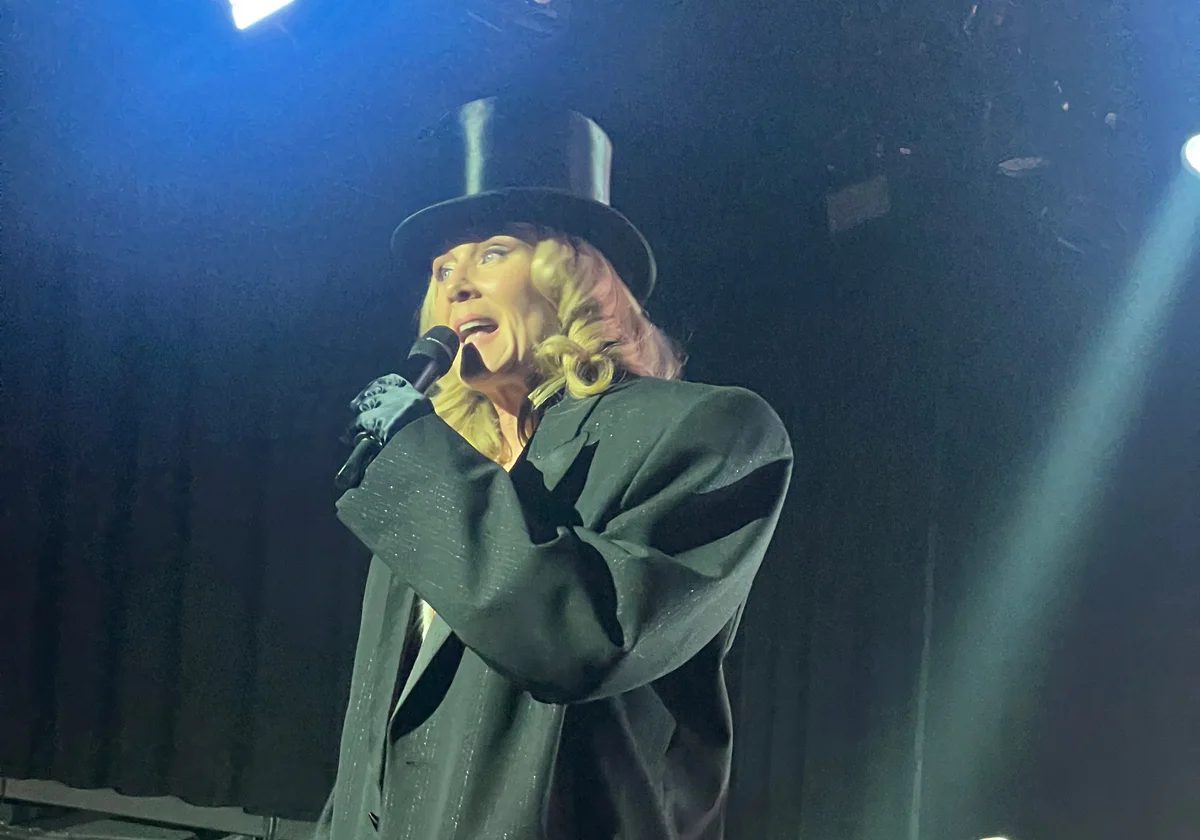
Representative artist: Róisín Murphy
Róisín Murphy shows how dance music can remain physical without giving up character, theatricality or detailed songwriting. Moloko's Sing It Back established her ability to turn an unusual vocal performance into a lasting club record. Her solo album Overpowered sharpened that balance through sleek electronic production and precise pop structures. Róisín Machine stretched disco into long, patient arrangements built for continuous movement, while Hit Parade, created with DJ Koze, brought stranger textures and looser rhythmic ideas into the same body-led language. That sequence makes Murphy especially relevant to indie dance now: every project changes the production frame while her phrasing, humour and visual authorship remain unmistakable. Producers can learn from the way she treats vocals, costume, rhythm and arrangement as parts of one identity rather than separate promotional layers.
Cover: Róisín Murphy performing at History in Toronto in June 2024. Photo by Luka0188, via Wikimedia Commons, CC0 1.0.

Top 10 indie dance record labels
1. Diynamic — scale without a fixed formula
Diynamic remains a central route between underground club music and a broad international audience. Solomun and Adriano Trolio founded the Hamburg label around a do-it-yourself principle, and its catalogue has repeatedly connected melodic tension with direct dance-floor impact. Recent releases from Notre Dame, Max Styler, Deomid and other producers keep Diynamic close to the current indie dance centre. The fit is strongest for finished records with a recognisable hook and enough arrangement detail to survive outside peak-time sets.
2. Maccabi House — fast-moving Tel Aviv club language
Maccabi House has become one of indie dance's most active contemporary platforms. Its catalogue links Adam Ten, Mita Gami, Rafael, HIGHLITE, Yamagucci and a wider network of producers who favour rolling bass, clipped vocals and playful edits. The label's All Stars series makes its community visible while singles move quickly through DJ sets. Artists should approach with clean, character-led club tracks and avoid anonymous melodic-house templates.
3. Stil vor Talent — long-term artist development
Stil vor Talent has spent more than two decades connecting Oliver Koletzki's Berlin base with melodic house, techno and indie dance. Its history includes careers as varied as HVOB, KlangKuenstler, Reinier Zonneveld and Teenage Mutants, while recent releases and location-focused compilations keep introducing new producers. The catalogue rewards musical development rather than one narrow sound. A strong submission should pair club function with melody or vocals that reveal a durable artist identity.
4. Headonism — concise records built for immediate reaction
Headonism rose through a direct, DJ-facing run of indie dance releases. Tracks from DEFLEE, Misha Klein, Kolombo, Pysh and other producers combine chunky bass movement, familiar vocal fragments and compact arrangements that establish their point quickly. Its strength is disciplined immediacy: the records remain useful in crowded sets without losing their own attitude. Artists should send one decisive mix with a strong first minute rather than a large folder of unfinished variations.
5. When Stars Align — cinematic pressure and vocal scale
When Stars Align translates CamelPhat's expansive club language into a focused label identity. Samantha Loveridge and other contributors bring emotional vocals, progressive tension and polished low-end weight to releases that can move between indie dance and melodic house. The catalogue is a useful model for producers aiming at large rooms without flattening the song into a generic anthem. Finished vocal clearance and a confident long-form arrangement are essential.
6. EXE Audio — lean contemporary club tools
EXE Audio earned its place in the current indie dance market through economical tracks designed for quick DJ recognition. Releases including Gabss' She Freaks put vocal hooks and tight bass patterns ahead of decorative layers. That focus makes the label relevant to producers whose ideas work through rhythm, negative space and repetition. Before submitting, test whether the central hook stays effective across a full mix and whether every additional section improves the set function.
7. Experts Only — genre movement with event reach
Experts Only grew from John Summit's demand for artistic freedom into a label and events platform spanning house, techno, melodic music and indie dance. Its recent catalogue moves between established club names and newer producers, while label showcases give releases an immediate performance context. The opportunity is substantial, but the music must arrive fully competitive. A distinctive vocal, precise mix and clear live or DJ identity matter more than copying Summit's own production choices.
8. Get Physical Music — catalogue depth and body-led house
Get Physical Music connects indie dance to a deeper Berlin house lineage. M.A.N.D.Y., Booka Shade and the Body Language series established its tactile, song-aware approach; current work from Tim Engelhardt, Deer Jade, JØRD and other artists keeps that framework open. The label suits records with warm low end, detailed percussion and a musical idea that develops over time. Producers should demonstrate knowledge of the catalogue beyond its best-known early releases.
9. Club Sweat — crossover energy with a club foundation
Club Sweat brings the Australian Sweat It Out ecosystem into direct club territory. Its releases favour bold hooks, punchy drums and enough accessibility to travel between specialist playlists, radio and festival sets. That crossover instinct gives indie dance artists a useful benchmark: personality must be audible immediately, but the mix still needs the impact of a dedicated club record. Submit a clean extended version alongside any shorter edit and make the vocal rights unambiguous.
10. PlanetX — stripped-back swing at the genre boundary
PlanetX gives Ben Sterling's club-focused vision a home that moves between minimal house, tech house and indie dance. The label's strongest material relies on swing, bass pressure and carefully placed samples rather than oversized melodic gestures. That makes it valuable for producers working at the leaner edge of the genre. Tracks need original groove construction, technically clean low end and enough restraint to leave DJs room to mix.
LISTN indie dance radio coverage
LISTN maps indie dance campaigns to its dance category. As of September 14, 2026, this category covers 1,513 distinct radios across 105 countries. The five leading countries are the United Kingdom (218), Italy (161), the United States (118), Germany (115) and France (104).
Complete radio count by country
United Kingdom: 218; Italy: 161; United States: 118; Germany: 115; France: 104; Netherlands: 61; Spain: 56; Australia: 45; Canada: 37; Belgium: 36; Hungary: 35; Romania: 33; Portugal: 26; Argentina: 25; Brazil: 24; Greece: 22; Chile: 18; Colombia: 18; Switzerland: 16; Poland: 15; Ecuador: 14; South Africa: 14; Croatia: 13; Mexico: 13; Ireland: 11; Uruguay: 11; Austria: 10; Bulgaria: 10; Denmark: 9; Russian Federation: 9; Venezuela: 9; Indonesia: 8; Lithuania: 8; Sweden: 8; Norway: 7; The Republic Of North Macedonia: 7; Ukraine: 7; Bolivia: 6; Finland: 6; New Zealand: 6; Nigeria: 6; Bosnia and Herzegovina: 5; Dominican Republic: 5; Malta: 5; Serbia: 5; Slovakia: 5; Turkey: 5; Cyprus: 4; Estonia: 4; India: 4; Israel: 4; Luxembourg: 4; Costa Rica: 3; Ghana: 3; Honduras: 3; Kenya: 3; Kosovo: 3; Peru: 3; Reunion: 3; Slovenia: 3; Tunisia: 3; Afghanistan: 2; Albania: 2; Algeria: 2; Aruba: 2; Curaçao: 2; Czech Republic: 2; Japan: 2; Latvia: 2; Montenegro: 2; Namibia: 2; Nicaragua: 2; Paraguay: 2; Philippines: 2; Puerto Rico: 2; Sint Maarten (Dutch part): 2; Uganda: 2; Zambia: 2; Belize: 1; Bonaire, Sint Eustatius and Saba: 1; Cayman Islands: 1; Cote D'Ivoire: 1; Egypt: 1; Fiji: 1; Gibraltar: 1; Guatemala: 1; Guyana: 1; Haiti: 1; Hong Kong: 1; Iraq: 1; Isle Of Man: 1; Kazakhstan: 1; Kyrgyzstan: 1; Moldova, Republic of: 1; Oman: 1; Pakistan: 1; Qatar: 1; Saint Lucia: 1; Seychelles: 1; Singapore: 1; Suriname: 1; Syrian Arab Republic: 1; Taiwan, Province of China: 1; Thailand: 1; United Arab Emirates: 1.
Plan a focused indie dance campaign
Describe the release through concrete traits: tempo, vocal role, bass movement, percussion and its relationship to house, disco or melodic techno. Supply a lossless master, accurate credits, cleared samples and both club and radio edits where useful. Prioritise programmes already playing left-field dance and electronic pop in the leading countries above, then match each pitch to recent programming. When the record, assets and target audience align, build a focused LISTN campaign.