
Reggaeton is built on a recognisable dembow pulse, but the labels shaping it in 2026 work across a much wider field: club records, melodic perreo, trap, pop, R&B and Caribbean hybrids. The strongest teams understand how to preserve an artist's Puerto Rican, Colombian or diasporic identity while organising releases for audiences that now move between local scenes and global platforms.
These ten active labels and artist-development companies stand out for current rosters, producer networks, release execution and a specific contribution to Reggaeton. Each offers a different model for turning rhythm, voice and visual language into a durable career.
How the Reggaeton labels were selected
The ranking rewards sustained urban release activity, credible artist and producer development, regional knowledge, international distribution and the ability to build beyond one viral single. Catalogue history matters when it still informs present work, but current creative infrastructure carries more weight. A useful Reggaeton partner should understand clean and explicit versions, featured-artist clearances, producer credits, dance-led visuals and the different release rhythms of Puerto Rico, Colombia, the United States, Spain and Latin America.
Top 10 Reggaeton record labels
1. Rimas Entertainment
Rimas has become the defining independent Latin urban company of its generation. Bad Bunny, Eladio Carrión, Arcángel, Mora and Jowell & Randy show how its ecosystem can serve radically different versions of Reggaeton without flattening them into one sound. Its advantage is long-term identity building: albums, live concepts, collaborations and cultural moments are coordinated around the artist rather than treated as isolated tracks.
2. Universal Music Latino
Universal Music Latino connects current stars such as Feid and Jhayco with the history of Machete Records, the imprint behind major releases from Don Omar, Wisin & Yandel, Héctor y Tito and Alexis y Fido. That combination gives the company deep knowledge of both foundational Puerto Rican Reggaeton and its Colombian, pop-facing evolution. Its international teams can move a record through radio, streaming, touring and brand partnerships at scale.
3. Sony Music Latin
Sony Music Latin remains central to the genre through artists including Rauw Alejandro and Ozuna. Rauw's movement between perreo, synth-pop, R&B and live-band ideas demonstrates the label's ability to support ambitious album worlds, while Ozuna's melodic catalogue shows the value of instantly identifiable vocal character. Sony's reach across the Americas and Spain is strongest when a campaign needs multiple regional narratives around the same release.
4. NEON16
NEON16 approaches Reggaeton from the studio outward. Co-founded by producer Tainy and executive Lex Borrero, it treats producers, writers and visual creators as central architects rather than background suppliers. Tainy's DATA project captured that strength: detailed electronic production, sharp sequencing and cross-generational collaborations formed a coherent world. NEON16 is especially relevant to artists whose competitive edge begins with sound design and songwriting chemistry.
5. Warner Music Latina
Warner Music Latina combines regional A&R teams with the resources of a global major. Its Latin network can position urbano releases beside pop, trap and regional collaborations without losing the core rhythmic identity. The practical value is campaign flexibility: a club-focused track may need fast creator activation, while a melodic crossover needs patient radio and audience development. Warner has the territorial structure to run those routes in parallel.
6. RichMusic
RichMusic's boutique model is rooted in close artist-producer relationships. Sech, Dalex, paopao and producer Dímelo Flow connect Panamanian melody, Puerto Rican urbano and Miami studio culture. Because label, management, publishing and recording resources sit close together, the team can develop songs quickly while maintaining a recognisable creative circle. It is a strong example of how a focused independent can compete through chemistry rather than roster size.
7. WK Records
WK Records links label strategy to Walter Kolm's wider management experience. Its current roster includes Ryan Castro and Alex Rose, two artists with different but complementary positions in the urbano market: Colombian street-pop momentum and Puerto Rican melodic Reggaeton. The label's strength is career architecture, aligning release calendars, collaborations, touring and narrative so that fast-moving singles contribute to a larger artist identity.
8. Cinq Music
Cinq combines distribution, record-label, publishing and catalogue operations. Its official roster connects Anuel AA, Daddy Yankee, De La Ghetto, Ñengo Flow and production duo Luny Tunes, giving it a direct line through several eras of Latin urban music. For independent artists and rights owners, Cinq's appeal is infrastructure: catalogue monetisation and global delivery can sit beside new-release marketing without requiring the project to abandon its original team.
9. Duars Entertainment
Duars Entertainment has played an important artist-development role in Puerto Rico's newer Reggaeton generation. Its work around Rauw Alejandro's rise demonstrated the value of building performance, collaborations and repertoire before global scale arrives. The company remains relevant because it understands the hands-on stage between an emerging urbano artist and a major international campaign, when consistent releases and trusted creative relationships matter more than a large corporate system.
10. GLAD Empire
GLAD Empire provides independent Latin artists and labels with distribution and campaign services from a Puerto Rico-centred perspective. That matters in Reggaeton, where many decisive records still begin inside compact local networks before travelling internationally. Its model gives entrepreneurial teams a route to wider platforms while preserving control over release pace, collaborations and audience data. It is a practical bridge between self-directed momentum and global market access.
Artist focus: Bad Bunny keeps Reggaeton culturally specific
Bad Bunny changed Reggaeton's global scale without sanding away its Puerto Rican vocabulary, humour or rhythmic tension. X 100PRE established an album-minded approach that could move from trap and guitar textures back to perreo; YHLQMDLG reconnected contemporary production with the genre's mixtape lineage; and Un Verano Sin Ti expanded the frame through Caribbean styles while keeping dembow close. DeBÍ TiRAR MáS FOToS pushed that commitment to place even further, joining modern urbano production to Puerto Rican memory and musical history. His vocal signature is conversational and elastic: clipped phrases can turn into melody without losing rhythmic weight. That makes him especially relevant in 2026. Bad Bunny shows that international reach comes from sharper authorship, not diluted identity, and that a Reggaeton campaign can be visually ambitious, politically aware and album-driven while still delivering immediate club records.
LISTN Reggaeton radio coverage
LISTN maps Reggaeton campaigns to its reggaeton category. As of September 18, 2026, this category covers 46 distinct radio stations in 23 countries. The five largest country pools are Argentina (4), Chile (4), the United States (4), Venezuela (4) and France (3).
Complete radio count by country
Argentina 4; Chile 4; United States 4; Venezuela 4; France 3; Spain 3; Bulgaria 2; Canada 2; Colombia 2; Ecuador 2; Guatemala 2; Italy 2; Puerto Rico 2; Australia 1; Bolivia 1; Brazil 1; Costa Rica 1; Netherlands 1; Portugal 1; South Africa 1; Thailand 1; Uganda 1; United Kingdom 1.
Plan a focused Reggaeton campaign
Define the record's centre before choosing markets. Identify whether the track is perreo, melodic Reggaeton, Latin trap crossover or pop-facing urbano; state the BPM, language, clean-version availability and the strongest entry point for radio. Deliver final producer, songwriter, featured-artist and sample credits early. Visuals should communicate the artist's identity at thumbnail size, while a concise story should explain why this release belongs in the current scene.
Use Argentina, Chile, the United States and Venezuela as the largest LISTN station pools for the reggaeton category, then shape secondary outreach around France, Spain, Colombia, Puerto Rico and the artist's actual listener data. Match each pitch to the song's energy and cultural context, and build a focused LISTN campaign once the audio, metadata and release narrative are aligned.
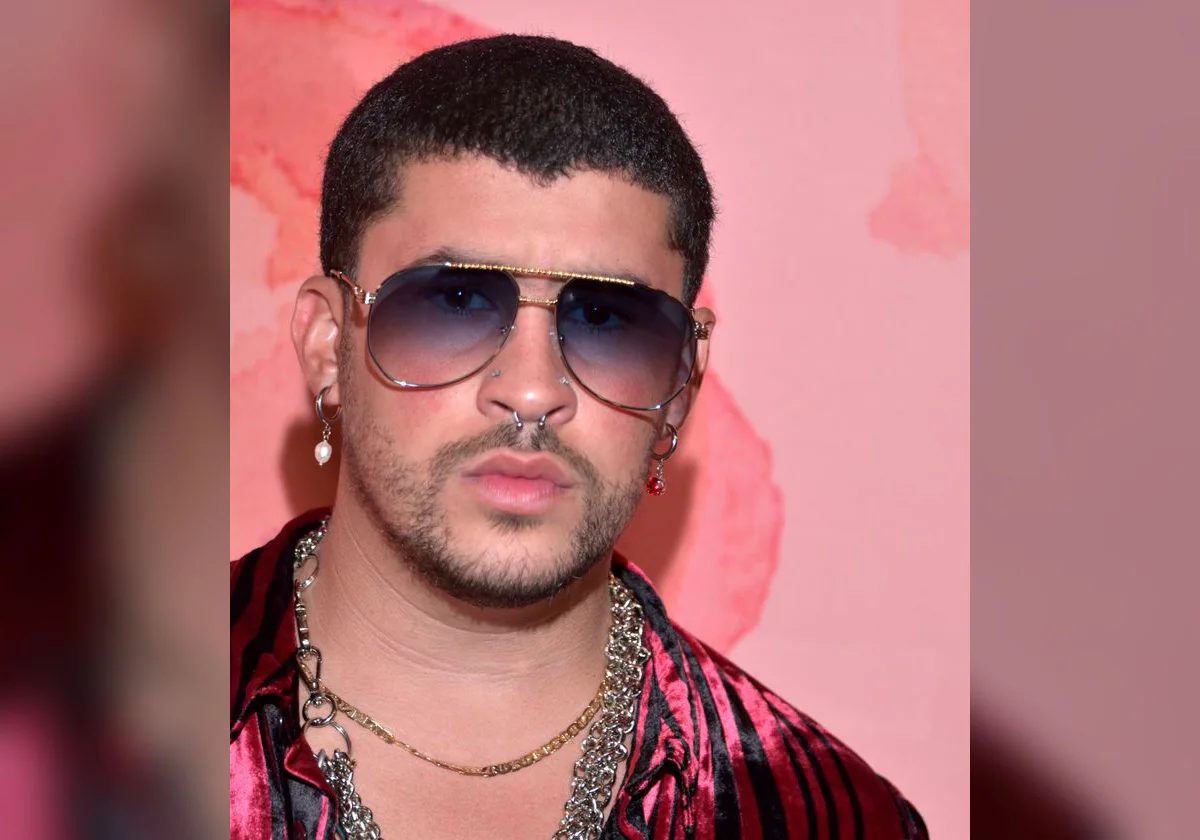
Cover image credit: Bad Bunny, photographed by Glenn Francis in Los Angeles in 2019 via Wikimedia Commons, CC BY-SA 4.0, modified.
