
Soundtrack labels turn music written for film, television, games and animation into records that can live beyond the picture. The strongest teams understand rights, release timing, composer storytelling, physical editions and the difference between a functional score album and a listening experience with its own dramatic arc.
These ten active labels stand out in 2026 for current release activity, catalogue stewardship, composer relationships and the ability to connect screen music with collectors, streaming audiences and specialist radio. Each earns its place for a different reason, from global digital reach to meticulous archival restoration.
How the soundtrack labels were selected
Official label sites, catalogues, release listings and news pages were checked for active work across film, television, games and animation. The ranking weighs editorial identity, release quality, rights expertise, composer presentation, physical production and long-term catalogue care. A repository-wide intent review found no LISTN page targeting the soundtrack-label query; the classical, contemporary-classical and synthwave guides serve distinct searches.
Top 10 soundtrack record labels
1. Lakeshore Records
Lakeshore leads because screen music is its central language rather than a secondary catalogue category. The independent label works across major productions, international series, documentaries and games, giving established composers and emerging voices room to build identities beyond one title. Its strength is continuity: frequent digital releases, composer-focused promotion and a deep catalogue help a score keep finding listeners after opening weekend.
2. Milan Records
Milan Records has become an especially effective bridge between film, anime, television and game music. Its 2026 activity around Takeshi Furukawa's Planet of Lana II and music from The Ghost in the Shell shows a label that understands global fandom as well as orchestral and electronic craft. Milan ranks highly for presenting composers as artists while coordinating releases with powerful visual worlds and international communities.
3. Varèse Sarabande
Varèse Sarabande remains one of the defining soundtrack specialists. Its current programme connects new listening formats with serious catalogue work, including anniversary editions for James Horner's Aliens, Carter Burwell's Carol and Angelo Badalamenti's Blue Velvet. That combination of score history, composer recognition and carefully produced reissues gives film music a durable life on vinyl, CD and digital services.
4. WaterTower Music
WaterTower Music brings direct studio coordination to scores and songs connected with Warner Bros. productions. Releases such as the Weapons soundtrack demonstrate the value of aligning music, trailer moments, press, streaming and the wider film campaign. The label is strongest when a score needs immediate global visibility without losing its composer credit, thematic identity or place inside a larger franchise catalogue.
5. Silva Screen Records
Silva Screen has specialised in film and television music since 1986, combining original soundtracks, recordings and physical editions. Its 2026 slate includes music from Good Omens 3, The Night Manager season two and H Is for Hawk, alongside composer-centred projects built around Philip Glass and Cliff Martinez. The label matters for its British television depth and its ability to connect new scores with an informed collector audience.
6. Back Lot Music
Back Lot Music gives Universal's film and television music a dedicated release operation. Its value is access to major productions and the ability to move quickly across score singles, complete albums and franchise campaigns. For composers, the label can place detailed orchestral, hybrid or electronic work inside a worldwide studio launch while keeping metadata, thematic clips and release timing closely connected to the picture.
7. Intrada Records
Intrada brings preservation and scholarship to the soundtrack market. The company says it has worked with composers, studios and musicians for forty years to restore and distribute more than 500 albums from film, television and games. Expanded editions of Spy Kids, archival Jerry Goldsmith releases and newer titles such as Thomas Newman's The Thursday Murder Club show why it remains essential: recording detail and historical context are treated as part of the music.
8. La-La Land Records
La-La Land Records is a destination for expanded scores, remasters and limited physical editions. Its active catalogue reaches from Star Trek anniversary collections and classic Batman music to Mark Isham, John Williams and television box sets. The label's detailed booklets and generous programmes reward listeners who want more than a standard album, while studio partnerships make important material available in coherent, authoritative editions.
9. Waxwork Records
Waxwork Records approaches soundtracks as complete physical objects, with particular authority in horror, cult cinema and visually distinctive projects. The 2026 release of Taul Katz's Barbara Forever score pairs experimental music made from archival sounds with composer and director notes. Waxwork stands out when the pressing, artwork and written context extend the film's world without reducing the score to merchandise.
10. Mutant
Mutant closes the ranking as a young company built around collaboration with artists and creators. Formed in 2024, it treats records, posters and other physical editions as connected expressions of a project. That design-led model suits scores with a strong visual audience and collectors who value mastering, packaging and curation. Its arrival also keeps the specialist soundtrack market competitive and open to new presentation ideas.
Artist focus: Hildur Guðnadóttir makes sound carry the drama
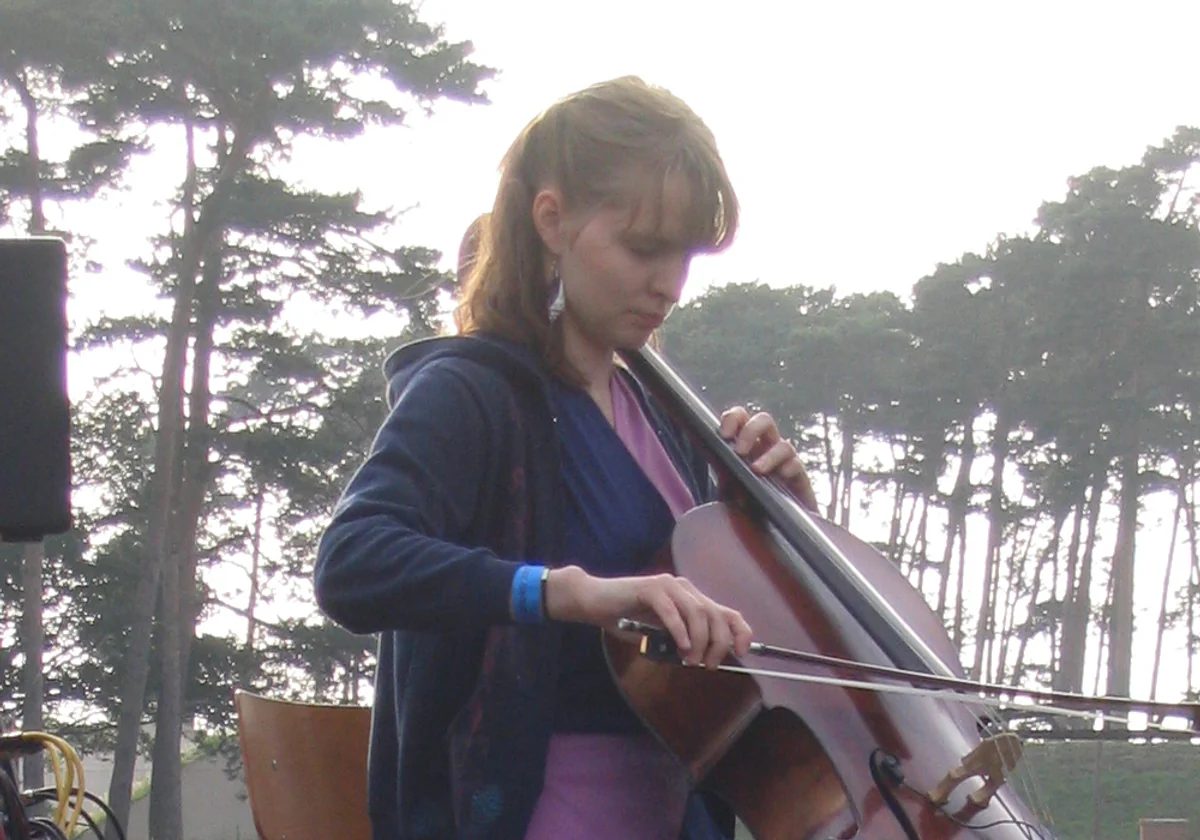
Hildur Guðnadóttir represents soundtrack composition at its most physical and psychologically exact. Her signature grows from cello, voice, electronics and acoustic spaces, often turning texture into narrative pressure before a conventional theme appears. Chernobyl used sounds recorded at a power plant to give the series an industrial, bodily weight; Joker placed her cello-led score close to the protagonist's movement and earned an Academy Award; and the 2025 solo album Where to From returned that sensitivity to large soundscapes outside the screen. Guðnadóttir remains relevant because her projects do not separate composition from sound design, performance or environment. Each score establishes a specific material world, then lets harmony and rhythm emerge from it. That approach offers a useful model for composers: a memorable soundtrack can begin with one clear sonic premise and still support a complex dramatic arc.
LISTN soundtrack radio coverage
LISTN maps Soundtrack campaigns to its orchestral category. For the 2026 campaign map, this category covers 6 distinct radio stations in 6 countries. The five largest pools are Australia (1), Belgium (1), Chile (1), Costa Rica (1) and Haiti (1).
Complete radio count by country
Australia 1; Belgium 1; Chile 1; Costa Rica 1; Haiti 1; Peru 1.
Build a soundtrack campaign around the dramatic function
A useful pitch explains what the music does for the story. Name the scene, character or game system the cue supports, then identify the audible method: a processed solo instrument, a recurring interval, a hybrid percussion palette, adaptive layers or an ensemble recorded in a specific space. Include complete composer, performer, orchestrator, mixer, mastering, publisher and rights-holder credits so programmers can understand the recording without reconstructing its metadata.
Select one cue that works away from the picture and reaches its core idea quickly. Support it with a concise composer statement, a clean still or performance image and a short clip that demonstrates the relationship between sound and scene. The six-country LISTN orchestral map can support focused outreach across Australia, Europe and Latin America. Composers and rights teams can build a focused LISTN campaign around stations whose programming fits the score's scale, instrumentation and dramatic tone.
Cover image credit: Hildur Guðnadóttir, photographed by tz1_1zt via Wikimedia Commons, CC BY-SA 2.0, modified.
