
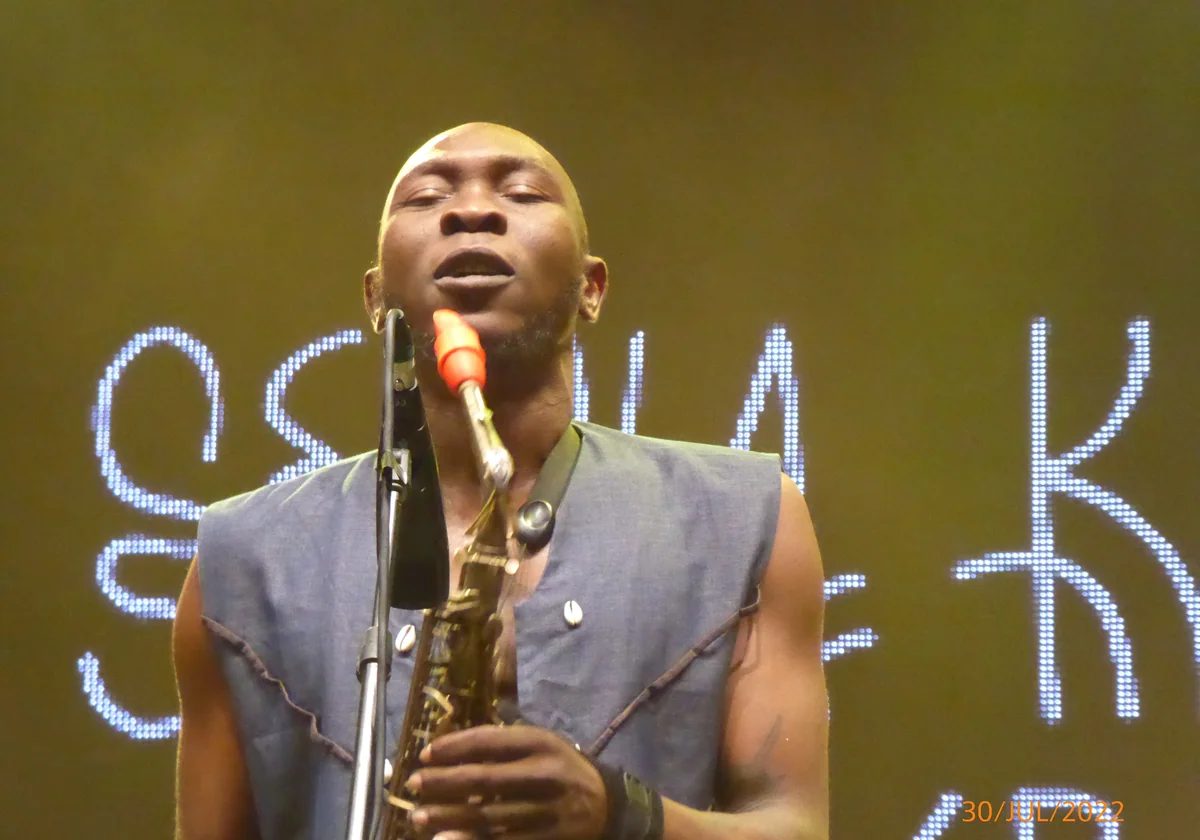
Promoting Afrobeat means communicating a groove, an ensemble and a point of view—not squeezing a long-form performance into a generic pop template. The music’s conversation between drums, bass, guitars, horns and voice often reveals itself over time. Your campaign should make that architecture legible while still giving listeners a clear first doorway.
This guide uses Afrobeat for the genre associated with the fusion developed by Fela Kuti and Tony Allen, not as a catch-all spelling for contemporary Afrobeats. Britannica’s overview of Afrobeat outlines the genre’s blend of West African musical traditions, jazz, funk and politically engaged lyrics. Your release may extend that tradition in a personal direction, but naming the music accurately helps editors, programmers and listeners understand it.
For strategies across other scenes, see the complete music promotion by genre guide.
Find the record’s centre of gravity
Before choosing channels, define what makes this track specifically Afrobeat and specifically yours. Write a compact positioning note covering:
- The groove: Describe the rhythmic relationship—interlocking guitar, horn figures, bass pattern, percussion and drum feel—without burying readers in production jargon.
- The ensemble: Name the players and arrangers. Live musicians and their contributions are part of the story, not metadata to hide below the fold.
- The message: State what the lyric observes, questions or celebrates. Do not claim political importance simply because the genre has a political lineage.
- The listening setting: Is this a patient headphone journey, a dance-floor cut, a festival performance piece, a radio edit or several of those with different versions?
- The bridge: Identify one accessible entry point: a horn response, bass motif, lyric, percussion breakdown or visible moment of band interplay.
Turn those answers into a one-sentence pitch, release note and credits sheet. Prepare the full master, a purposeful radio edit, instrumental, lyrics, photographs and private performance link. Protect the full arrangement; make an edit only when it serves a real channel.
Confirm rights for compositions, arrangements, samples, footage and performances. Bandcamp’s guidance recommends adding lyrics, credits and liner notes, all useful for an ensemble release.
Where to put your energy: five ranked channels
1. Live performance and session video
Afrobeat’s strongest proof is often the band playing together. Film one complete performance that lets viewers see rhythmic exchanges and arrangement changes. Good sound is more important than an expensive location. Capture a stereo board mix or multitrack recording if possible, but keep enough room sound for the performance to feel alive.
Cut vertical moments from the master: the groove entering, a horn cue, a vocal statement or a percussion exchange. Label the musicians. YouTube recommends chapters with timestamps to help viewers navigate longer videos.
2. Specialist radio, DJs and selectors
Research shows dedicated to Afrobeat, African music, global grooves, jazz, funk and live-band dance music. Listen before contacting a presenter. A show that focuses on archival recordings needs a different pitch from a club DJ who plays contemporary edits.
Send a private stream, download, runtime, release date, credits and two sentences about fit. Include a clearly labelled radio edit if one exists. Follow public submission instructions and follow up once with useful news.
3. Performance, culture and musicianship media
Pitch stories with substance: how the horn arrangement evolved, how the rhythm section rehearsed, why a lyric addresses a local issue, or how musicians from different scenes found a shared language. Jazz, percussion, guitar, African culture and independent music publications may each need a different angle.
Provide names, roles, photo credits and pronunciation notes. If a song engages with a political event or community struggle, cite sources and let affected voices lead.
4. Streaming profiles and direct-to-fan pages
Deliver the release early, check artist mapping and populate profiles with consistent images and biographies. Spotify’s process allows an artist team to pitch one unreleased song to playlist editors; the submission is an editorial consideration, not a guarantee. Describe instrumentation, language, recording context and listener setting accurately rather than selecting every possible mood.
Use a direct page for full credits, lyrics, personnel and physical editions. Streaming can introduce the music; the page retains context.
5. Short-form video and community partners
Use short clips as invitations into the arrangement: isolate a percussion pattern, show how a horn answers the vocal, or explain one lyric before the performance excerpt.
Partner with relevant record shops, venues, cultural organisations and musicians. Agree on asset, date, credit and compensation. For sponsorships, use Instagram’s paid partnership label or YouTube’s paid-promotion declaration.
The D-30 to D+30 Afrobeat release calendar
D-30 to D-24 — assemble the campaign
Approve masters and credits with every contributor. Confirm rights, distributor delivery and artist mapping. Choose the full version and any radio edit. Write positioning language that distinguishes Afrobeat from Afrobeats without disparaging either. Build lists for radio/DJs, culture and musicianship press, venues, and community partners. Record the full performance session.
D-23 to D-17 — introduce the ensemble
Edit the performance and vertical excerpts. Introduce who plays what, send private promos to suitable presenters and selectors, and submit editorial pitches while the recording is unreleased.
D-16 to D-10 — open the musical story
Publish a groove or instrumentation clip. Pitch interviews and sessions with tailored angles, contextualise lyric excerpts, and confirm any community feature or launch show.
D-9 to D-1 — create a listening appointment
Reveal the strongest excerpt with an obvious date and link. Check captions, translations and credits; remind warm contacts once and test every landing page and private download.
D0 to D+7 — let the whole piece breathe
Release the recording and a substantial video asset. Publish complete personnel, recording and artwork credits. Respond to comments with musical detail, share verified radio or editorial support and thank community partners. Avoid posting five near-identical clips in one day; give each musical moment room.
Review full-video watch time, page visits, saves, sign-ups, ticket interest and programmer messages. Raw views alone do not show whether the right audience understood the project.
D+8 to D+30 — extend the repertoire
Release a second perspective: rehearsal footage, alternate take, percussion breakdown or musician interview. Re-approach only contacts for whom it adds value, connect the single to the wider project, and record which musical section drew a response.
Build the Afrobeat campaign at €0
A zero-cost campaign should demonstrate musicianship and care. Record a one-take rehearsal with the best available phone, stable framing and a quiet-enough room. Capture individual instrument explainers during the same session. Create a clean credits graphic and a direct release page. Ask every musician to approve the wording and share assets from their own perspective.
Research presenters, DJs and publications with public contact routes. Personalise each note and coordinate the band’s posts instead of repeating one caption. Invest time in subtitles, names and arrangement context.
Spend €100 where listeners can hear it
Use €100 to fix the campaign’s weakest link. If the rehearsal footage sounds poor, hire an engineer for a short live capture or mix. If the audio is strong, pay for a careful video edit with captions. Other sensible uses include rehearsal-room hire, a photographer for one focused hour, translation of important lyrics, or transport that allows the full group to film together.
Avoid broad ads before an asset holds attention. Test the best organic clip in one relevant territory and measure one action. Never buy streams, comments, placement or press guarantees.
Put €500 behind a complete ensemble story
A €500 plan can produce a credible live-session package. For example: €180 for room and audio capture, €140 for filming/editing, €80 for photography and artwork adaptations, €60 for a small targeted distribution test, and €40 contingency. If your band already owns recording equipment, redirect money toward fair performer fees, transport, translations or a second video.
Specialist press or radio support is another route, but require a defined territory, timeline and report. Pay for work, never promised editorial decisions.
Missteps that are especially costly in Afrobeat promotion
- Calling Afrobeat and Afrobeats interchangeable. Accurate genre language improves trust and routes the record to better-fit listeners.
- Hiding the band behind the front person. Uncredited musicians weaken both the story and professional relationships.
- Cutting away before the groove develops. Short clips need entry points, but the campaign should also offer a full performance.
- Borrowing protest imagery without a real position. Political aesthetics are not a substitute for informed lyrics or community accountability.
- Pitching only mainstream pop outlets. Jazz, funk, African music, percussion and live-session channels may provide a more meaningful first audience.
- Sending one long version to every recipient. Radio, DJs, video audiences and direct fans may need different, clearly labelled assets.
- Overproducing visuals while neglecting sound. A beautiful session with weak audio cannot demonstrate ensemble precision.
- Inventing co-signs or “global impact.” Use only verifiable support, factual credits and measured campaign results.
Final readiness checklist
- The pitch accurately says Afrobeat and explains this record’s variation.
- Every musician, arranger, writer and producer is correctly credited.
- Masters, radio edit and instrumental are clearly named where applicable.
- Composition, sample, performance, image and video permissions are confirmed.
- Full performance audio and video have been checked by the team.
- Vertical clips feature different parts of the arrangement.
- Lyrics, translations and political or historical context are verified.
- Radio, DJ, press and community lists are separated by fit.
- Streaming profiles, artist mapping and editorial pitch are complete.
- Paid partners have written scope, credit, disclosure and usage terms.
- Release links, private downloads and mobile pages work.
- A D+8 asset and a D+30 review date are scheduled.
Give the right people enough context to listen
Explore the top Afrobeat record labels in 2026 to understand how different catalogues frame repertoire, heritage and modern ensemble work. Research each organisation’s current activity and submission policy before making contact. When the music, credits and story are ready, create a targeted LISTN campaign that presents the release to relevant professionals without stripping away the musicianship that makes it distinctive.