
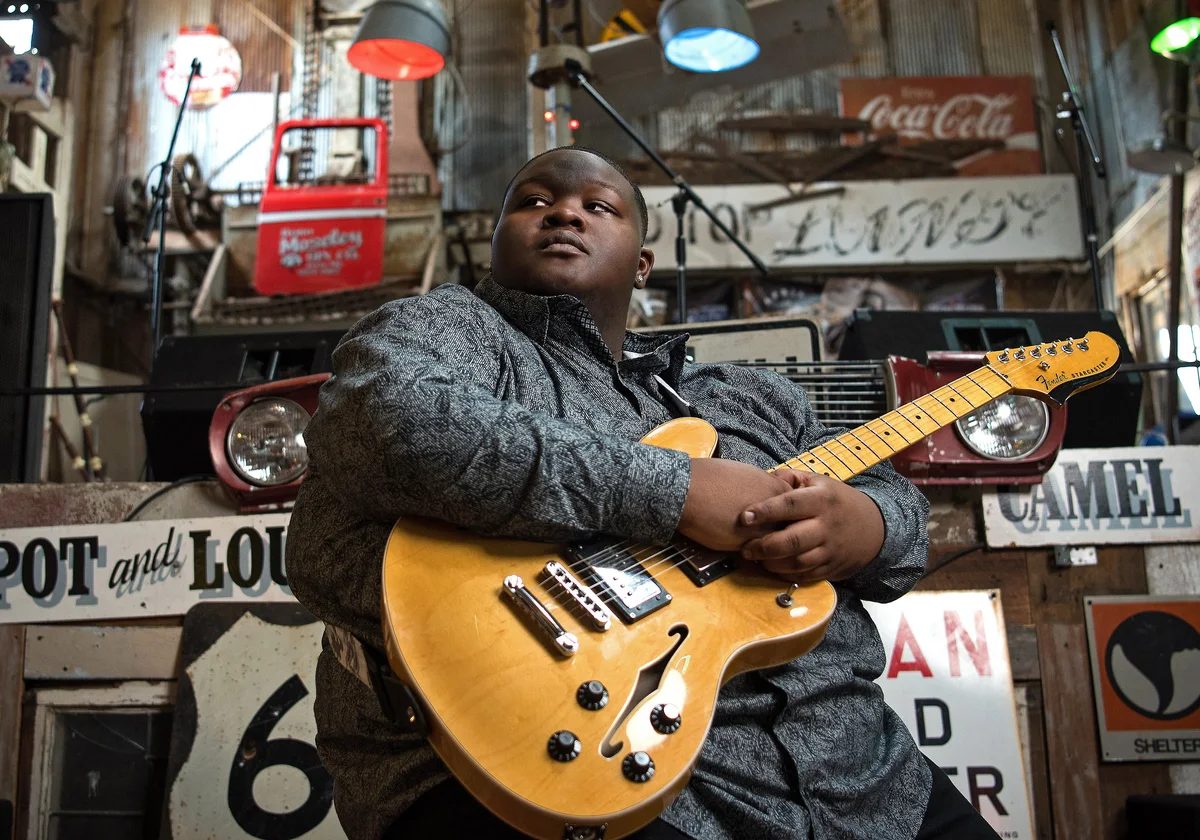
Blues campaigns are built on trust. Listeners want to hear the touch, timing, voice and exchange between musicians—not only a polished cover and a genre tag. Promoters, radio hosts and blues societies also tend to work through relationships that develop across gigs, interviews and multiple releases. Promotion should therefore make the performance visible and give each scene contact a clear reason to care.
This guide covers electric, acoustic, contemporary, traditional, soul-blues and blues-rock releases by independent artists. It is a focused companion to LISTN’s broader music promotion by genre guide, with a D-30 to D+30 campaign designed for the blues ecosystem.
Find the record’s honest place in the blues world
Start with a sentence that a programmer could use without rewriting:
[Song title] is a [specific blues lane] track about [human tension or story], carried by [vocal, groove or instrumental signature] and suited to listeners of [accurate scene or tradition].
“Modern blues with soulful guitar” says little. “A slow minor-key electric blues about rebuilding after a flood, recorded live with Hammond organ and a restrained guitar solo” communicates feel, subject, arrangement and context.
Your positioning needs four anchors:
- Tradition: Delta, Piedmont, Chicago, Texas, hill country, jump, British blues, soul-blues or another lineage only when it is musically and historically accurate.
- Performance identity: fingerstyle detail, slide vocabulary, vocal phrasing, horn arrangement, rhythm-section pocket or band interaction.
- Current point of view: what the artist adds rather than simply recreating an older recording.
- Live setting: listening room, club, festival, seated theatre, roots bill or blues society event where this material makes sense.
Avoid calling the music “authentic” as a substitute for evidence. Show a complete take, credit the musicians and explain the song’s origin precisely. Blues has a documented cultural history; the Smithsonian’s overview of the blues is a useful reminder that regional forms, Black American history and later developments should not be flattened into a marketing aesthetic.
Ordered channel priorities for a blues release
Use this sequence to protect time and build from credible performance outward.
- Live proof and owned listeners. Begin with past attendees, email subscribers, merchandise buyers and viewers who already respond to performances. Share a full verse-and-solo excerpt or session take, then ask for one action: listen, reply, attend or share with a blues listener.
- Specialist blues radio. Research programme names, hosts, accepted formats, geographic focus and whether the show leans traditional, contemporary, acoustic or blues-rock. Send broadcast-quality audio, clean metadata and a short note connecting the specific track to that programme. Respect submission instructions and avoid attaching large files unless requested.
- Blues societies and regional networks. The Blues Foundation maintains an official directory of affiliate blues societies. Use it to research—not scrape—nearby organisations, event calendars, newsletters and member shows. Join or attend where there is a genuine local relationship before asking for promotion.
- Performance-led video. A one-take session, band-room performance or live clip often explains blues musicianship faster than a concept-heavy reel. Cut short vertical excerpts from a strong full performance, but also publish enough uninterrupted music for bookers and serious listeners to assess the band.
- Roots press, podcasts and reviewers. Match the release to writers who cover its actual lane. Offer a musical angle: an unusual arrangement, regional connection, documented influence, collaboration or recording method. A generic press release about “keeping the blues alive” will blend into every inbox.
- Streaming and direct-to-fan platforms. Submit unreleased music through official artist tools. Spotify describes its editorial process in the Spotify for Artists pitching guide. Use direct-to-fan stores for lyrics, personnel, recording notes and physical editions when those materials matter to your audience.
- Festivals, showcases and awards pathways. Treat these as long-lead professional development, not instant release promotion. The International Blues Challenge route normally begins through an affiliated organisation; consult the Blues Foundation’s current IBC rules and eligibility information rather than assuming direct entry or a fixed deadline.
- Paid reach. Add advertising only when a performance clip, local show or direct-sales offer already has evidence of interest. Define location, audience, cap and success measure first.
Build a blues-specific asset kit
Prepare a private, mobile-friendly folder containing WAV and MP3 files, artwork, lyrics, songwriter and performer credits, release date, contact, short bio, two press photos and a streaming link. Include radio edit and clean version only when they serve a real need. State whether the recording was live in the room, overdubbed or captured at a show; do not imply a live performance if it was assembled in the studio.
Create complementary visual assets:
- a full-song or substantial live session that demonstrates musicianship;
- a 30–60 second vocal passage with clear sound;
- a solo excerpt that has an arc rather than a random fast section;
- a band-interaction moment showing the groove and dynamics;
- a short “how the arrangement changed” explanation;
- a clip that introduces every musician by name;
- a venue or hometown segment when the relationship is genuine.
For YouTube, organize official releases and performances so a new listener can move from a short excerpt to a complete song. Eligible artists can request an Official Artist Channel, which brings music and channel content together. Check eligibility and current features instead of presenting the channel status as an endorsement.
D-30 to D+30: the blues release road map
D-30 to D-23 — Establish the foundation
- Finalize master, metadata, credits, lyrics, artwork and release date.
- Deliver the recording to the distributor and verify the correct artist profile.
- Write the positioning sentence, a 70-word radio introduction and a 150-word press note.
- Record the main session video while the band is rehearsed and the audio setup is dependable.
- Build separate lists for blues radio, societies, press, venues and curators; note the reason for every target.
- Identify one release event or post-release performance where the song can be heard in context.
D-22 to D-15 — Approach the scene
- Send the track to the highest-fit specialist programmes using each show’s preferred method.
- Contact relevant local societies with a useful regional hook, not a request for blanket promotion.
- Submit the streaming editorial pitch through official tools.
- Offer a small number of tailored interview or premiere ideas to appropriate outlets.
- Announce the record to owned listeners with a clip that contains real performance, not just cover art.
D-14 to D-8 — Let musicianship lead
- Publish a substantial live excerpt and credit every player.
- Post a second piece about the groove, lyric, instrument or arrangement.
- Invite collaborators, venue partners and engineers to share their own role rather than copying one caption.
- Follow up once with priority radio or media contacts, adding a live clip, confirmed show or other useful update.
- Test every release link and prepare captions that explain why each clip is different.
D-7 to D-1 — Tighten the circle
- Email fans with one clear release or event action.
- Send engaged hosts the final broadcast link and accurate metadata.
- Share rehearsal footage that creates anticipation without exhausting the best performance.
- Confirm stage times, livestream details, merchandise and permission to film at the release event.
- Keep at least two unreleased assets for the weeks after launch.
D0 to D+7 — Release, listen and document
- Verify audio, credits, lyrics, profiles and purchase links across platforms.
- Publish the strongest performance and make the full song easy to find.
- Reply thoughtfully to hosts, fans and musicians; note confirmed plays or interview dates.
- Capture the release performance with usable audio if the venue permits it.
- Review source-level signals: radio responses, full-video viewing, email clicks, direct purchases, saves, replies and show enquiries.
D+8 to D+21 — Deepen, do not repeat
- Release an alternate arrangement, acoustic take or live version only if it reveals another side of the song.
- Publish a musician-focused breakdown or short interview with a collaborator.
- Send late-cycle pitches to outlets for which a performance, review or airplay gives new context.
- Approach nearby venues with a concise live clip and realistic routing information.
- Invite direct supporters to join the email list or consider a physical release without pressuring them.
D+22 to D+30 — Turn a release into a relationship
- Share a final live highlight, listener question or recording detail.
- Thank programmers and organisations that engaged, including those who could not support this track.
- Record which subgenre descriptions and assets produced useful responses.
- Archive contacts with consent and notes; do not add addresses to a marketing list without permission.
- Decide the next live, video or release step using the month’s evidence.
Three realistic spending levels
€0 budget: Document the performance
Use a phone with careful placement, a quiet rehearsal space and available light. Put effort into a researched radio list, society calendars, personal fan email and a complete live take. Trade skills with another band for filming or editing only when the exchange is fair and explicit. The goal is proof and relationships, not artificial scale.
€100 budget: Fix the weakest link
Spend where the existing setup fails: roughly €40–€60 on rehearsal-room time or simple audio capture, then use the remainder for local travel, a poster, strings or a small test behind the strongest live clip. If the band already has good footage, use the money to create a short run of physical promo copies only for contacts who accept them. Confirm preferences before posting anything.
€500 budget: Build a reusable live package
One possible allocation is €220 for a well-recorded live session, €100 for editing and vertical cut-downs, €100 for targeted promotion around a show or proven video, and €80 for travel or direct-to-fan materials. Alternatively, put more into a live engineer if sound is the limiting factor. Vet any radio promoter or publicist by references, written deliverables, genre fit and reporting. No legitimate fee can guarantee editorial coverage, airplay, awards or sales.
Blues promotion errors that cost trust
- Using history as decoration. Name traditions and influences accurately, credit originators and avoid romanticizing hardship.
- Sending virtuosity without a song. A fast solo may attract guitar viewers but not communicate the vocal, story or band dynamic.
- Pitching every blues show identically. Acoustic, traditional, soul-blues and blues-rock programmes may serve different listeners.
- Ignoring the rhythm section. Blues credibility is not only a lead-guitar question; campaign footage should show pocket, dynamics and ensemble listening.
- Joining a society only to demand exposure. Participate in the community and understand its calendar before making an ask.
- Confusing a competition with a guaranteed career route. Eligibility, judging and dates vary; read current official rules and make no outcome promises.
- Buying unverifiable spins or playlists. Ask where music will run, how audiences are measured and what reporting exists. Decline guaranteed editorial placement.
- Ending activity at D+3. Interviews, specialist programmes and live discovery can unfold after the release-week rush.
Artists considering partners can also review our blues record labels guide. Treat it as research support, then confirm current rosters, territories and submission policies directly with each label.
Blues campaign checklist
- The pitch identifies the specific blues lane, story and performance signature.
- All musicians, writers, producers and relevant traditions are credited accurately.
- Master, metadata, artwork, lyrics and contact details are final.
- A strong full or substantial live performance is available.
- Radio, society, press, venue and curator targets are segmented by fit.
- Every submission follows the recipient’s current instructions.
- Streaming editorial pitch is completed through official artist tools.
- The calendar continues through D+30 with distinct assets.
- Paid work has a written scope, spending cap and measurable purpose.
- No biography, endorsement, statistic or campaign result is invented.
- Supporters receive thanks and permission-based follow-up.
- Lessons and responsive contacts are documented for the next release.
Blues promotion is most durable when the campaign sounds like the music: attentive, specific and responsive. Put the performance first, learn how each regional and specialist channel works, and give relationships time to develop. When the audio, credits and pitch are ready, submit your release through LISTN to seek relevant radio opportunities—without pretending that any submission guarantees an outcome.