
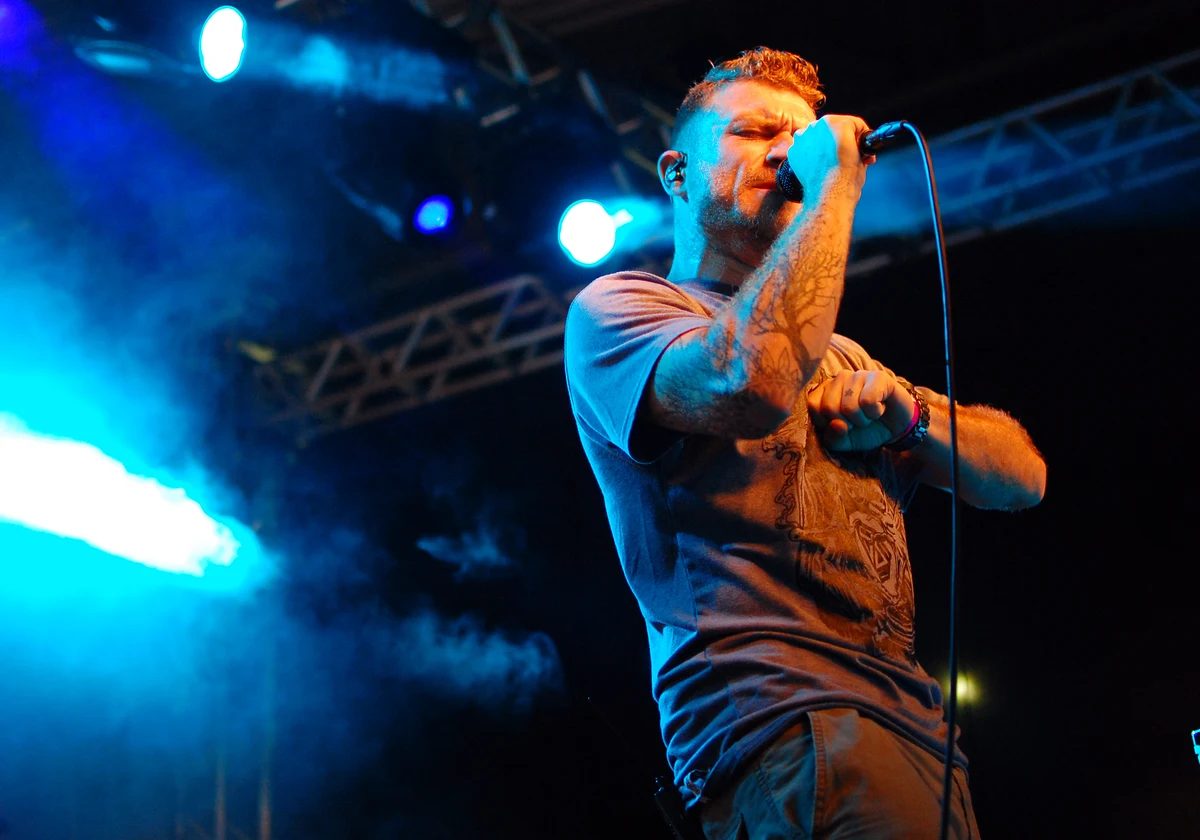
Dub is experienced through space: the weight of the bass, the drop into silence, the return of a vocal fragment and the way a mix changes on a sound system. Promotion should create that context instead of reducing the release to a generic reggae tag or a few exaggerated echo effects.
The practical challenge is to connect several audiences without confusing them. Roots listeners may follow the singer, riddim and message; sound-system selectors need files that work in a session; electronic audiences may enter through production and bass culture; collectors may care about versions, vinyl and credits. The plan below gives each audience a clear route. For wider framework decisions, consult music promotion by genre, then use the top dub record labels guide to research compatible label ecosystems.
Establish your dub identity
Write a release statement that answers four questions: What is the source material? Who performed it? What does the dub mix transform? Where should it be heard? “A heavyweight steppers version built from live drums, horn lines and a conscious vocal, mixed for late-session sound-system pressure” gives a selector much more than “deep dub vibes.”
Choose the central identity honestly:
- Roots and vocal dub: the song, message, singer and riddim lineage lead.
- Steppers and sound-system dub: propulsion, bass weight and session function come first.
- Live-band dub: performance, players and the interaction with the mixing desk are the story.
- Electronic or experimental dub: production method and connections to ambient, bass or techno listeners matter, while the dub lineage still deserves respect.
Prepare the release architecture early. A vocal cut, dub version and instrumental can form a coherent package when each mix has a purpose. Label versions precisely; “Version,” “Dub,” “Instrumental” and “Radio Edit” are not interchangeable. Credit the original writer, vocalist, musicians, producer and mix engineer, and resolve samples and publishing before asking anyone to amplify the record.
Test the master on more than studio monitors. Dub’s low end must translate to headphones, small speakers and a capable full-range system. Promotion cannot repair bass that collapses outside your room.
Promotion channels ranked by importance
1. Sound-system selectors, dub DJs and specialist radio
Begin with people who can place the track in a real session or programme. Research recent sets and shows; distinguish roots specialists from steppers, digital dub, bass music and broader reggae selectors. A small accurate list is worth more than a spreadsheet of unrelated DJs.
Your private promo should offer a dependable stream plus clearly named, high-quality downloads. Include BPM if useful, release date, version list, credits, territory information and a two-sentence context note. Say whether a track is unreleased and whether on-air play is permitted. Never describe a standard promo as an exclusive dubplate.
Radio teams may need a clean edit, pronunciation notes and a concise bio. Follow each station’s submission process. One respectful follow-up is enough unless the recipient invites more.
2. Sound-system footage and listening events
Dub needs physical evidence. Capture the track on a suitable system, but record audio carefully: distorted phone bass can make a strong master sound weak. A controlled line recording paired with room footage is often more truthful than raw camera audio. Clearly label a demonstration if the sound was replaced in editing.
A small listening session can generate several useful assets: the drop before the bass returns, the engineer working the send effects, a crowd response and a short explanation of the version. Obtain venue and attendee permissions, pay videographers and performers fairly, and avoid filming people who do not want to appear.
3. YouTube and long-form visual context
A full dub mix benefits from uninterrupted listening. Upload a visualiser, live desk performance or well-shot session with complete credits, links and chapter information where relevant. Short clips can direct people to the full version, but do not reveal every drop before release.
YouTube states in its copyright guidance that uploaders need the necessary rights to the content they publish. That includes reused vocal recordings, archive footage, artwork and samples. Content ID disputes during launch week can break your best campaign path, so clear rights in advance.
4. Bandcamp, vinyl and direct supporters
Dub collectors often want the complete relationship between vocal, version and physical format. Present that relationship clearly on Bandcamp. List pressing details only when confirmed, show actual artwork or a labelled mock-up, and state realistic shipping dates. Bandcamp’s artist guide documents pre-orders, merchandise and direct communication with followers.
Digital-only releases can still feel considered. Include accurate lyrics when applicable, musician credits, mix notes and meaningful bonus versions. Do not pad an EP with nearly identical exports. If offering a limited lathe cut, tape or vinyl pressing, be transparent about sound, quantity and fulfilment.
5. Short-form social and studio education
Use Instagram, TikTok and Shorts to reveal decisions: the dry vocal versus the treated return, the spring reverb, a filter ride, a live bass take, or the moment the drums drop away. Keep the original track audible enough that the technique serves the music.
YouTube’s official Shorts help outlines how vertical short videos appear across its Shorts experience. Create captions for viewers without sound, but remember that dub ultimately depends on listening. Direct interested viewers to the full-quality version rather than treating short-form views as the goal.
6. Streaming editorial and listener playlists
Pitch the focus track through Spotify for Artists while it is still unreleased. Describe the version accurately, name the instrumentation and cultural context, and select the closest available metadata rather than chasing a fashionable category. Spotify’s editorial pitching instructions advise submitting at least seven days before release.
No legitimate pitch can guarantee a playlist. Avoid paid-stream packages, fake listener campaigns and services that refuse to explain where plays originate. Dub careers are built on trust; suspicious activity can damage relationships as well as data quality.
The D-30 to D+30 session plan
D-30 to D-24: assemble the versions
Approve masters only after translation checks. Confirm version names, writers, splits, performers, ISRCs, artwork permissions and sample clearances. Decide which mix is the entry point and which is the selector tool. Deliver the release to distribution with enough time for correction.
Create one private page with the full package, not a trail of expiring messages. Draft separate short pitches for sound systems, radio, press and electronic outlets. Build lists from current programming and releases, not reputation alone.
D-23 to D-17: first soundings
Send the record to a tight circle of selectors, radio hosts and trusted peers. Ask whether it fits their programme or session; do not demand feedback. If someone requests a file format or clean edit, respond quickly and keep the filename professional.
Arrange a system test or listening capture. Film a few intentional moments in landscape and vertical formats. Record a short explanation from the producer, singer or engineer that connects the mix decisions to the song rather than presenting effects as tricks.
D-16 to D-10: announce the full proposition
Reveal artwork, date, credits and version structure. Lead with the vocal or instrumental hook that gives the dub emotional stakes, then show how the mix transforms it. Open a pre-order if the release page and fulfilment plan are ready.
Approach a second tier of outlets with personal notes. If a respected selector has genuinely played the track, ask permission before quoting them. A timestamped radio archive or authorised session clip is more persuasive than an unsupported logo wall.
D-9 to D-1: prepare the drop
Publish a studio or system clip that demonstrates dynamics without giving away the whole arrangement. Confirm radio servicing, download permissions and launch links. Provide collaborators with optional artwork and accurate credits; let them write in their own voice.
Check the release on mobile and desktop. Test Bandcamp purchase settings, streaming pre-save destinations and email links. Schedule only the essential posts so you can react to real support. If there is a launch session, confirm playback media, backups and technical responsibility.
D0 to D+6: release into context
On release day, present the full listening route first. Share the focus version, then make the vocal/dub relationship easy to understand. Send one concise availability note to contacts who asked for a reminder. Thank confirmed plays individually.
Over the next days, post the strongest sound-system or desk-performance footage, a complete credit panel and one production insight. Repost audience videos only with permission. If phone audio clips badly, pair the image with a clean excerpt and disclose the edit rather than letting distortion define the release.
D+7 to D+17: turn support into discovery
Collect verifiable radio archives, set clips, reviews and sales milestones without exaggeration. Publish a longer mix walkthrough, musician feature or lyric context that gives people a reason to return. Invite a selector to make a guest mix only if the collaboration suits both audiences.
Pitch promoters and live-session channels with the clearest proof that the project translates beyond the studio. Continue direct-to-fan communication, especially around physical stock and shipping updates.
D+18 to D+30: give the version another life
Release a live dub, instrumental or alternate cut only if it was planned, cleared and meaningfully different. Avoid dropping every version at once merely to refresh feeds. A thoughtful performance video or selector mix can extend the campaign without fragmenting the catalogue.
Review which actions produced full listens, purchases, radio plays, DJ relationships, mailing-list growth and event enquiries. Separate meaningful engagement from autoplay views. Document which version and pitch angle worked for each audience before planning the next release.
The €0 dub rollout
Put time into relationships and presentation. Build the private promo page, research a limited group of specialist selectors, create a clean studio demonstration and document a system test with equipment you can access legitimately. Use your mailing list, Bandcamp followers and artist channels rather than mass messaging.
Exchange skills only when the arrangement is genuinely mutual and explicit. A vocalist, videographer or sound-system crew should not be expected to donate labour because the campaign has no budget. If necessary, narrow the plan to assets you can create yourself and credit everyone involved.
The €100 dub rollout
Spend the budget on translation or proof. Book time on a suitable system, pay an engineer to capture a clean session excerpt, commission one strong artwork adaptation, or pay a collaborator for a focused performance clip. Choose the weakness that currently prevents listeners from understanding the record.
A small advertising test can follow an organically strong video, but target carefully and watch whether viewers continue to the full mix or store. Stop spending when the campaign produces impressions without deeper action.
The €500 dub rollout
At this level, create a coherent miniature session: venue or system hire, fair fees for essential crew, clean multitrack or line recording, and edited long- and short-form video. Another valid route is a specialist radio or press campaign from someone with recent, relevant dub work and transparent reporting.
Reserve money for mastering corrections, artwork formats, postage or manufacturing contingencies. Do not buy “guaranteed” radio, playlists or reviews. The budget should improve how faithfully the music reaches people, not fabricate approval.
Dub-specific campaign errors
- Selling the effects instead of the song: echo and reverb are tools; the campaign still needs a riddim, performance or idea worth transforming.
- Calling every alternate mix a dub: name versions according to what actually changes and how they function.
- Ignoring low-end translation: impressive studio playback means little if promotional clips and masters fail on other systems.
- Confusing a promo with a dubplate: exclusivity, custom vocals and one-off cuts have specific meanings in sound-system culture.
- Erasing performers: vocalists and musicians remain central even when the mix foregrounds the engineer.
- Treating roots, steppers and electronic dub as one contact list: research the recipient’s actual programming before pitching.
- Using uncleared vocals, samples or footage: a compelling campaign cannot compensate for missing rights.
- Faking scarcity or support: be exact about edition sizes, stock, plays and endorsements.
- Over-compressing every teaser: dub depends on contrast; leave enough space and dynamics to communicate its character.
Final release checklist
- The positioning statement identifies source, people, transformation and setting.
- Vocal, dub, instrumental and edit names reflect their real function.
- Writers, splits, musicians, producer and mix engineer are confirmed.
- Samples, artwork, footage and vocal permissions are cleared.
- Masters translate across headphones, small speakers and a full-range system.
- Private promo includes stream, downloads, date, credits and contact details.
- Sound-system, radio, press and electronic targets are researched separately.
- Radio edits and file formats are ready where genuinely needed.
- Physical format quantities and shipping claims are verified.
- Session footage has usable audio and participant permissions.
- Editorial pitching and distribution delivery happen before release week.
- Follow-ups are limited and every quoted supporter has approved the wording.
- D+30 review tracks sales, plays, relationships and event opportunities.
A strong dub campaign respects both the music’s lineage and the listener’s physical experience. Give every version a role, show the record working in a real listening environment and make accurate credits part of the story. Once the package and target lists are ready, build a focused LISTN campaign to organise outreach without replacing the relationships at its centre.