
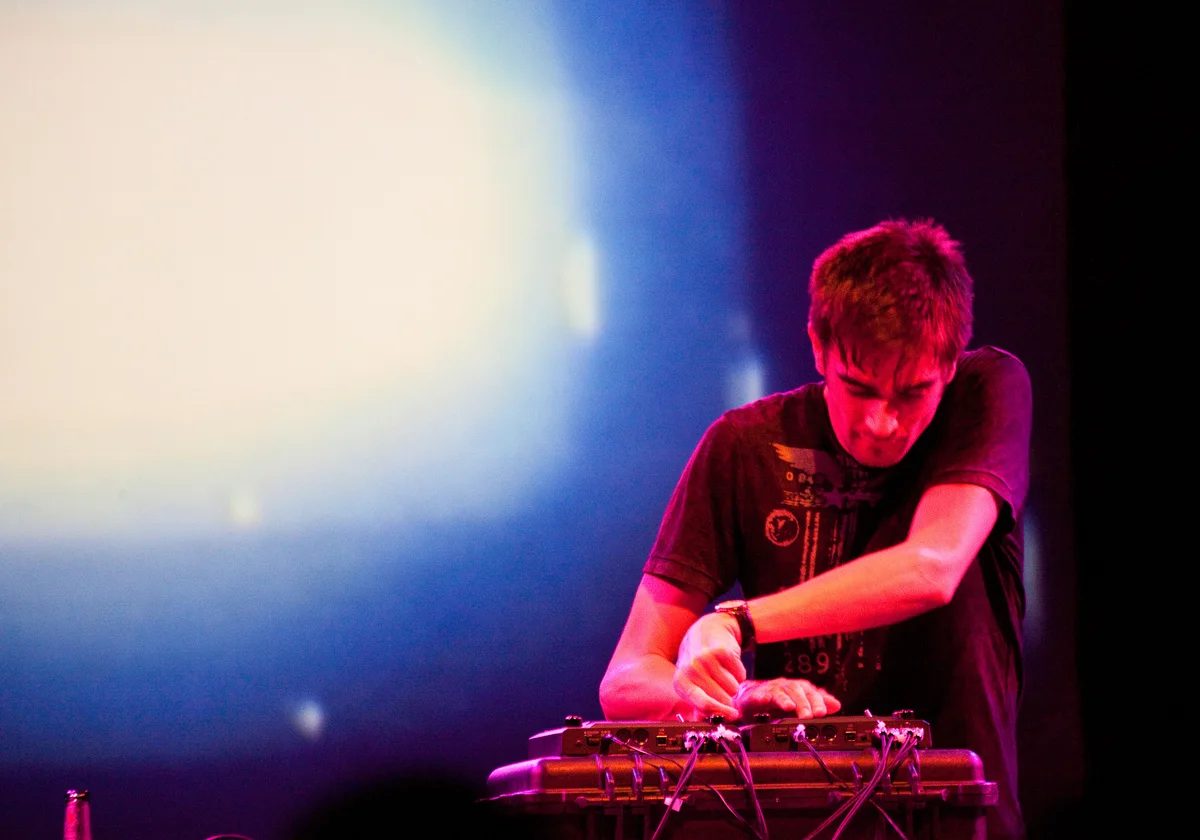
Electronica can hold club rhythm, ambient space, acoustic detail and sound design in the same track. That freedom is its appeal—and its marketing problem. “Electronic music” is too broad to tell a listener, curator or radio producer why your release belongs in their world. A useful campaign turns the record’s particular experience into a precise promise, then repeats that promise through sound, image and context.
This playbook is for independent artists and small teams promoting an electronica single or EP. It focuses on evidence you can prepare, channels that reward attentive listening, and a thirty-day runway on either side of release. For a wider comparison with other scenes, begin with our music promotion by genre guide.
Position the release before you promote it
Do not start with a list of influences. Start with the listening situation and the musical tension that make this release distinct. Is it detailed headphone music that slowly opens up? A cinematic piece driven by live strings and granular processing? A melodic club track whose emotional payoff arrives after a patient build? These descriptions help people imagine when, where and why to listen.
Write a positioning statement in one sentence:
[Release] is [format and sonic character] for listeners who want [mood or use case], distinguished by [one audible or creative feature].
For example: “A four-track electronica EP for late-night, immersive listening, built from field recordings and evolving analogue percussion.” The sentence is not public copy; it is the filter for your campaign.
Then assemble three proof points:
- An audible signature: an unusual instrument, spatial mix, rhythmic turn or recurring texture that a listener can hear quickly.
- A credible context: the place, collaboration, performance method or creative constraint behind the music.
- A visual system: one palette, type treatment and motion language that fit the sound without imitating better-known artists.
Choose two or three adjacent descriptors, not ten. “Cinematic electronica, ambient techno and modern classical” is actionable. “Electronic, experimental, chill, dance, indie, soundtrack and alternative” asks every recipient to solve your identity for you. If label research is part of the plan, use our electronica record-label overview to understand different catalogues; check each label’s current submission policy before contacting it.
Channel priorities, in order
Electronica promotion benefits from depth before reach. Put effort into the places where a complete listen, a trusted recommendation or a strong audiovisual idea can carry the track.
1. Specialist radio, shows and trusted curators
A presenter can explain the bridge between your composition, production and mood in a way an isolated social clip cannot. Build a small list of shows that have recently played music adjacent to yours. Record the programme name, presenter, submission route, relevant episode and why your track fits. Never scrape a generic database and send the same note to everyone.
Provide a private stream, clean download, release date, artwork, concise biography, RIYL references and both radio and extended versions where relevant. Respect published formats and deadlines. The BBC’s guidance for emerging artists, for example, directs musicians to upload music through BBC Music Introducing, rather than emailing random presenters.
2. Editorial and independent playlist pitching
Treat playlists as different listening environments. A reflective focus list needs a different pitch from a leftfield electronic or night-drive list. Name the precise moment, texture and energy arc that make the track suitable. On Spotify, deliver the release early enough to use the official unreleased-music pitch workflow; Spotify explains that you can pitch one unreleased song at a time and that pitching does not guarantee placement.
Independent curators should be researched with the same care. Look for a recent update history, coherent sequencing, transparent contact route and real editorial identity. Do not pay anyone who promises a specific stream count or guaranteed editorial placement.
3. YouTube and visual-first listening
Electronica often has no front-person narrative, so make the sound visible. A full visualizer, live studio performance, modular patch walkthrough or location-based film can give the complete track a durable home. Cut vertical excerpts from that master rather than creating unrelated clips. YouTube recommends supplying descriptive titles and descriptions, while its official video optimisation guidance stresses that titles and thumbnails help viewers understand what a video offers.
Choose excerpts with change: a texture entering, a harmony widening, a beat dissolving, or an acoustic source transforming into its processed form. A static sixteen-second loop rarely communicates the journey that makes electronica rewarding.
4. Direct audience: Bandcamp and email
Your direct channel is where context, credits and ownership can live together. A Bandcamp page can host lyrics or notes, personnel, formats and merchandise; Bandcamp’s own artist guide explains its discovery and fan-contact tools. Use email for a brief release note, one image and one clear action. Segment previous supporters, professional contacts and general subscribers instead of sending every message to the same list.
5. Short-form social and creator outreach
Use short-form platforms to reveal process, not to disguise the music as a meme. Film the field recording beside the resulting passage, compare the dry signal with the processed texture, or show how the visual responds to stems. YouTube’s Shorts help page documents the vertical short-form format; platform availability and features can change, so verify current specifications before export.
Contact visual artists, dancers, filmmakers and technology creators only when the track genuinely supports their work. Offer usable audio and a clear idea, but leave room for interpretation. Never imply that exposure is compensation for commissioned work.
D-30 to D+30 release plan
D-30 to D-22: define and prepare
Lock the master, metadata, credits and ownership splits. Confirm distribution delivery dates and create the one-sentence positioning statement. Build a one-page press sheet and a private listening link that will remain active through the campaign. Select one hero visual and map three content ideas to audible moments.
Create a contact sheet of no more than 30 strong prospects across radio, press, playlists and creators. Mark the evidence for every fit. Draft separate pitches for complete-listen gatekeepers and visual collaborators.
D-21 to D-15: deliver and start focused pitching
Deliver the release to your distributor with enough time for platform ingestion and artist-profile checks. Claim or review artist dashboards, submit the eligible Spotify editorial pitch, and verify that biography, images and links are current.
Send the first wave to specialist radio and media with longer lead times. Make the email easy to process: one personal sentence, a two-sentence release case, date, private link and permission to download. Schedule the visualizer or performance video and prepare captions, alt text and credits.
D-14 to D-8: demonstrate the world of the record
Publish the first process-led piece: source sound versus finished passage, instrument performance versus arrangement, or artwork motion test versus final visual. Ask an answerable question related to listening rather than “Thoughts?”
Follow up once with high-priority contacts if their published policy permits it. Approach independent curators with tailored notes. Test all smart links and preview cards on mobile. Prepare a clean fifteen-second excerpt, a more patient thirty-second excerpt and a full-track destination.
D-7 to D-1: concentrate attention
Reveal the artwork, final release date and strongest sonic moment. Send a short email to existing supporters. Confirm scheduled posts and collaborators’ credit language. Share any legitimate early coverage, but do not turn the feed into a wall of logos.
At D-2, perform a release audit: artist names, title, version, date, credits, link destinations, video visibility, captions and pinned copy. Keep one asset unreleased for launch day rather than exhausting the story early.
D0 to D+7: make listening simple
On release day, lead with the complete experience: the track or EP, its clearest visual, and a short explanation of what to listen for. Pin one canonical link. Reply to real comments and thank supporters individually where possible. Send professional contacts one release-day update only if it adds a public link or meaningful new asset.
During the week, publish the strongest alternate angle: a live take, arrangement breakdown or annotated visual. Update the press sheet with genuine coverage and radio plays. Do not claim playlist adds you cannot verify.
D+8 to D+30: extend the narrative
Review saves, full-video retention, Bandcamp support, mailing-list clicks and qualitative responses according to each channel’s own analytics. Compare content by purpose instead of comparing every post by raw views. A studio breakdown may reach fewer people yet produce more meaningful replies from musicians or curators.
Pitch a second, smaller wave using new evidence—a performance video, thoughtful review or audience response—not a recycled “just checking” email. At D+21, choose one durable follow-up: remix stems, a live session, production notes, or a companion track. At D+30, document what earned complete listens and retire tactics that generated only empty reach.
€0 budget: precision and reusable assets
With no spend, invest in research and one coherent asset chain. Create the artwork yourself or use an existing collaboration with explicit permission. Film one well-lit performance or process session on a phone, edit a full video, then derive vertical excerpts and stills. Use your distributor’s existing pre-save or smart-link tools if included.
Prioritise ten radio or media contacts, ten thoughtful curator pitches and direct messages to people who already know your work. Spend nothing on vague promotion packages. Your advantage is specificity: a carefully chosen contact and a convincing fit can outperform a large untargeted list.
€100 budget: remove one quality bottleneck
Spend the whole amount on the weakest part of the release presentation. Options include a short professional edit from footage you shot, artwork adaptation for platform formats, mastering of a radio edit, or a small fee for a visual collaborator. Agree on scope and usage rights in writing.
Reserve free activity for pitching and community engagement. Do not divide €100 across tiny boosts on five platforms; the data will be difficult to interpret and the creative will not have time to learn.
€500 budget: build a compact campaign system
Allocate roughly €180–€250 to a strong visual or live-performance asset, €100–€150 to editing and format adaptations, and the remainder to a controlled test or specialist support. If testing paid social, use one objective, a small number of audiences and a destination that matches the creative. Pause rather than increase spend when clicks do not turn into meaningful listening or follows.
Alternatively, put the final portion toward legitimate radio or press outreach support whose process, target list and reporting are transparent. Payment buys work, not coverage. Reject guarantees of streams, placements, reviews or airplay.
Electronica promotion mistakes to avoid
- Selling atmosphere without an audible detail. “Emotional and cinematic” is common language; identify the instrument, transition or production choice that proves it.
- Cutting every clip before the music develops. Preserve at least one excerpt that shows the track’s arc rather than only its first impact.
- Pitching club DJs when the mix has no functional club context. A beautiful headphone track needs different gatekeepers from a peak-time tool.
- Making gear the whole story. Production technology can open the door, but explain the musical decision it enabled.
- Using prestigious comparisons as identity. References orient the recipient; they should not replace your own proposition.
- Sending unfinished metadata. Electronica collaborations often involve performers, designers and additional producers. Credit them accurately before delivery.
- Buying opaque “organic” promotion. Unverifiable traffic can distort your understanding of real listeners and may conflict with platform rules.
Final electronica release checklist
- One-sentence positioning names the listening situation and sonic signature.
- Masters, radio edits, credits, splits and metadata are approved.
- Artwork, motion language and copy form one recognisable system.
- Private stream and download permissions work without a login surprise.
- Priority contacts are ranked and each has a documented reason for fit.
- Spotify pitch and artist profiles are completed where eligible.
- Full visual asset, vertical excerpts, captions and alt text are ready.
- Bandcamp or direct-sales page includes complete credits and context.
- Release-day link, email and pinned post are tested on mobile.
- Follow-up is limited, useful and compliant with each recipient’s policy.
- D+7 and D+30 reviews measure meaningful listening, not vanity reach.
A strong electronica campaign behaves like the music: it gives detail room to emerge, then directs attention toward the moment that matters. Once your positioning, assets and carefully researched targets are ready, you can build a focused LISTN campaign for relevant radio and industry outreach—without assuming or promising a particular result.