
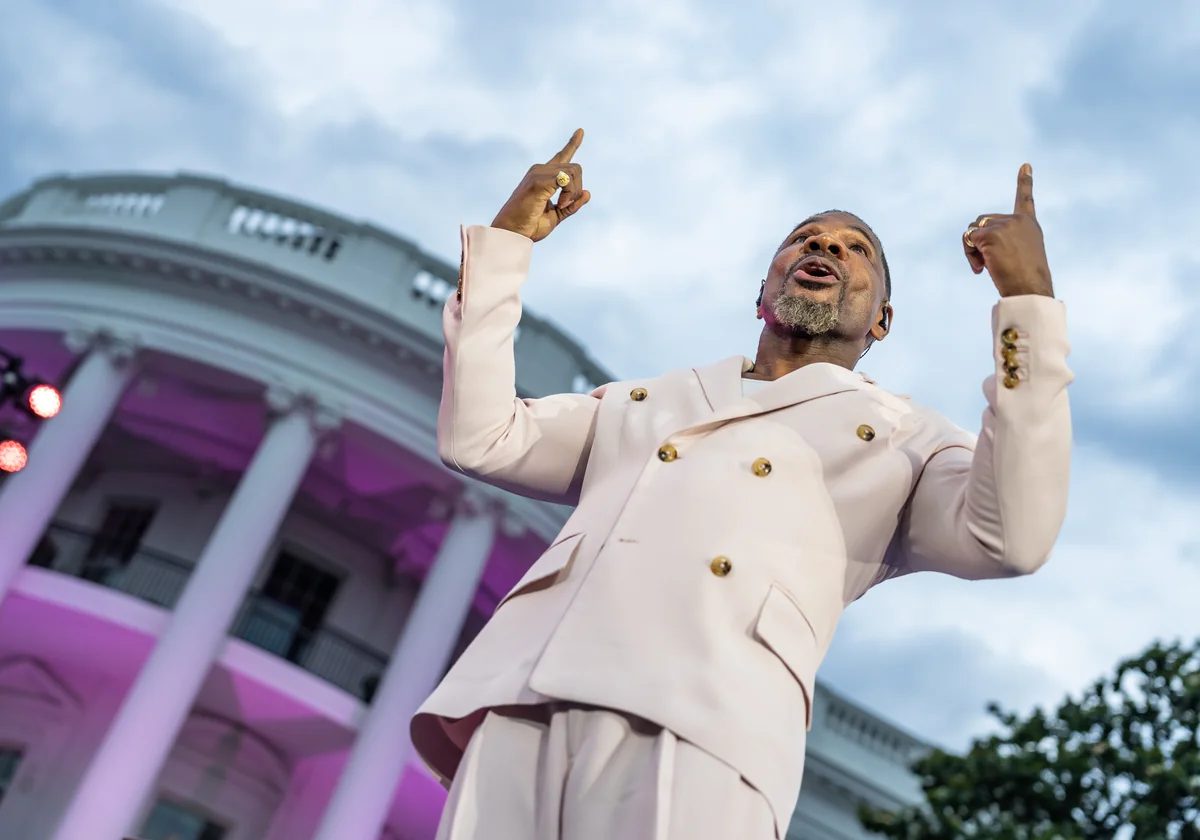
Gospel music grows through trust, participation and repeated usefulness. A song may travel through Sunday services, choir rehearsals, family group chats, gospel radio, testimony videos, community events and streaming playlists. That journey is different from a campaign built only around entertainment feeds. Promotion should respect the song’s ministry context while still giving programmers, worship leaders and listeners professional materials.
This playbook covers a single from 30 days before release through 30 days after. For the principles shared with other styles, see our music promotion by genre guide. Here, the focus is gospel’s communities, subgenres and practical pathways.
Position the song for the community it serves
“Gospel” is not a complete pitch. Decide whether the record is contemporary gospel, praise and worship, traditional choir, quartet, gospel rap, inspirational pop, Afro-gospel or another specific expression. Then describe what people can do with it: sing along in worship, rehearse it with a choir, use it for personal encouragement, celebrate with it, or sit with its testimony.
Write a one-sentence service statement: “A choir-driven declaration for congregations moving from uncertainty toward hope,” or “A reflective worship song for quiet prayer after a difficult season.” This statement should guide radio categories, church outreach, visuals and content.
Be precise about theology and testimony. If a lyric draws on a particular scripture, cite the passage accurately. If you tell a personal story, share only what is yours to share. Avoid implying that listening, donating or sharing guarantees healing, prosperity or any spiritual outcome.
Prepare the master, instrumental, performance track, clean radio edit if relevant, lyrics, full credits and rights information. For congregational music, add a lyric sheet, chord chart and key information. For choir repertoire, a rehearsal track or clear part breakdown can be more useful than another promotional graphic. If people cannot legally use or reproduce an arrangement, state the licensing path rather than leaving churches to guess. CCLI publishes guidance on its licensing services; artists and churches should verify what applies in their territory and use case.
Ordered channel priorities for gospel releases
1. Churches, choirs and worship leaders
Start with relationships, not a database blast. Identify congregations, choir directors, campus ministries and worship leaders whose musical practice fits the song. Send a brief note explaining the theme, key, arrangement and intended use, then link to a private preview and practical resources. Ask for honest consideration, not an endorsement.
Offer a live or virtual run-through when appropriate. If a church wants to teach the song, make rehearsal materials easy to access and clarify permissions. One choir genuinely able to sing the song can create more durable connection than many context-free impressions.
2. Gospel radio and specialist programs
Research national, regional, local, college and online gospel shows. Listen before pitching: a traditional quartet hour, urban contemporary gospel program and worship station need different records and descriptions. Provide artist location, subgenre, song theme, release date, duration, writers, producers and a clean download or streaming link. Include a radio edit only if it is genuinely useful.
Follow the station’s published submission process. The US Federal Communications Commission explains that sponsorship identification rules apply when material is broadcast in exchange for money, services or other valuable consideration; review the FCC’s payola guidance if promotion involves consideration. Never disguise payment as organic airplay.
3. Live ministry and community events
Plan a credible place for the song to live: a church service, choir night, benefit, listening gathering, youth event or acoustic testimony session. Obtain the organizer’s consent before filming, especially where congregants or minors may appear. A well-recorded live performance demonstrates communal response without manufacturing it.
Coordinate with community calendars and faith-based local media. The pitch should explain the event’s purpose, not merely demand coverage of a release.
4. Video, streaming and lyric discovery
A clear full-length performance, lyric video or official audio is essential because listeners may want to learn the words. Include writers, musicians, church or venue credits and relevant links in the description. YouTube’s guidance for building an Official Artist Channel lists its current eligibility requirements.
Deliver the song early and submit editorial pitches through official artist dashboards. Spotify’s playlist pitching instructions say unreleased music can be pitched in Spotify for Artists and recommend submitting at least seven days before release for Release Radar consideration. Describe the gospel subgenre, language, instrumentation, faith context and real campaign activity.
5. Short-form testimony and teaching content
Use short video to make the song understandable, not to trivialize it. Strong formats include the lyric’s scriptural context, a choir part rehearsal, the story behind one line, a live verse, a musician’s arrangement breakdown or a congregational call-and-response. Add captions so the message remains accessible without sound.
Avoid forcing sacred themes into irrelevant trends. A repeatable series—“one lyric, one story, one performance”—can be more coherent than chasing each new format.
6. Faith media, collaborators and owned channels
Pitch gospel publications, podcasts, newsletters and local press with a clear angle: testimony, community initiative, choir tradition, production craft or event. Give featured singers, musicians, pastors, directors and producers properly credited assets. Email subscribers can receive devotion notes, rehearsal resources or event invitations rather than duplicated social posts.
If you are researching potential long-term partners, consult our gospel record-label guide. Use it to compare catalogues and positioning, then verify every company’s current official contact policy yourself.
D-30 to D+30 gospel campaign plan
D-30 to D-22: prepare serviceable materials
Confirm distribution, metadata, splits and credits. Decide the subgenre, primary community and practical use. Create the one-sentence service statement. Finish lyrics, chord chart, keys, rehearsal tracks and radio edit as needed.
Build three small lists: church and choir relationships; gospel radio and programs; faith media and community calendars. Record the relevant program, contact policy and reason for fit. Secure permission for any launch event, location and filming.
D-21 to D-15: invite trusted feedback
Share a private preview with a few worship leaders, choir directors, DJs or mentors who understand the style. Ask specific questions: Is the key workable? Are the lyrics clear? Does the radio version start effectively? This is feedback, not a request for public praise.
Record a live performance and two educational clips. Prepare the full-length video or lyric video. Deliver early enough for artist-profile claims and official editorial tools.
D-14 to D-8: begin relationship-led outreach
Announce the title, cover and release date. Send tailored advance notes to radio, churches and media. For worship or choir songs, link the resource pack prominently. For gospel rap or inspirational crossover, emphasize audience, lyrical premise and production fit instead of forcing church-use materials.
Publish the first testimony or lyric-context clip. Confirm event participants, accessibility, credits and consent.
D-7 to D-1: make participation simple
Check every lyric, credit and link. Schedule the official audio, performance or lyric video. Give collaborators a clean folder containing vertical clips, stills, captions, release time and exact credits.
Send a respectful reminder to your owned audience and high-fit partners. Avoid turning a faith community into an unpaid street team; invite participation without guilt or spiritual pressure.
D0 to D+7: serve the song publicly
Release the clearest full-length asset and one short clip. Thank musicians, churches and partners accurately. Reply to listeners with care, and ask permission before reposting testimony or worship footage. If an event is part of launch, publish only media covered by your consent plan.
Follow up once with radio and media contacts, supplying a direct link and any genuinely new context. Keep the message brief.
D+8 to D+21: create usefulness after launch
Publish a choir rehearsal, acoustic version, live worship take, alternate verse, sermon-context conversation or producer breakdown—whichever genuinely fits the record. Share the chord or lyric resource again when that content makes it relevant.
Look at available data by city, source and content format. Compare it with real-world signals: resource downloads, invitations, substantive messages and repeat engagement. Do not reduce ministry value to a streaming total.
D+22 to D+30: strengthen the network
Thank participants individually and document permissions for any future footage. Ask directors or DJs for private feedback on what helped them evaluate the song. Update your contact notes, remove irrelevant targets and plan a second event or performance only where interest is real.
Connect the release to your wider repertoire. A useful catalogue pathway—another worship song, testimony video or live set—helps new listeners continue without an aggressive sales sequence.
€0 Budget: activate existing relationships
Record a strong phone video in a quiet church, rehearsal room or home space with permission. Use daylight, stable framing, clean vocals and readable captions. Create lyric and chord PDFs with existing tools. Personally contact people you already know, then research a modest number of relevant programs and outlets.
Ask collaborators to share only if the song genuinely fits their audience. Host a simple livestream rehearsal or testimony conversation. Your scarce resource is trust; protect it by being organized, honest and easy to work with.
€100 Budget: remove one practical obstacle
Pay for the need that most limits use: clean live audio, a rehearsal-room booking, basic graphic layout for charts, captioning, or transport to a suitable community performance. If the song is radio-ready but your current edit is not, fund a competent edit rather than a week of random boosted posts.
Keep receipts and agreements. A small honorarium for a musician’s added work is better than assuming ministry language makes labor free.
€500 Budget: create a reusable ministry asset
Build one durable package: a well-recorded live session with several crops, a choir rehearsal video plus part tracks, or a lyric video and coordinated photography. Define deliverables, ownership, credits and usage before production. Reserve part of the budget for accessibility, editing or a tightly targeted event promotion rather than spending all of it on the shoot.
Do not pay for guaranteed streams, playlist placement or undisclosed airplay. Spotify warns that third-party services guaranteeing streams or placement may use practices that violate its artificial streaming rules.
Genre-specific gospel promotion mistakes
- Treating gospel as one audience. Traditional choir, quartet, worship, gospel rap and contemporary gospel have different programmers and use cases.
- Asking churches to promote before providing resources. A usable key, lyric sheet and rehearsal support can matter more than polished artwork.
- Using spiritual pressure. Sharing a song should never be framed as proof of faith or a condition of blessing.
- Making unverifiable outcome claims. Speak faithfully about your experience without promising healing, success or miracles.
- Ignoring permissions. Church attendance does not equal consent to appear in promotional media.
- Under-crediting contributors. Choir directors, musicians, writers, churches and technicians deserve accurate credit.
- Mass-pitching secular and faith outlets identically. Translate the same truthful story for each outlet’s actual audience.
- Stopping after launch Sunday. Rehearsal, testimony and live versions can continue serving listeners for weeks.
Gospel release checklist
- Subgenre, primary community and intended use are clear.
- Theology, scripture references and testimony details are accurate.
- Master, performance track, lyrics, credits and rights information are organized.
- Chord chart, key and rehearsal resources exist when relevant.
- Church, radio and media targets each have a documented reason for fit.
- Event and filming permissions are confirmed.
- Full-length video or audio has complete credits.
- Editorial pitches use official platform tools.
- Collaborators receive correct files and posting details.
- Follow-up content is scheduled through D+30.
- No campaign element guarantees spiritual, commercial or streaming outcomes.
A strong gospel campaign makes the song easier to hear, sing, program and understand while honoring the people around it. When your audio, credits and target list are ready, start a focused LISTN campaign to present the release to relevant radio opportunities without losing that community-first approach.