
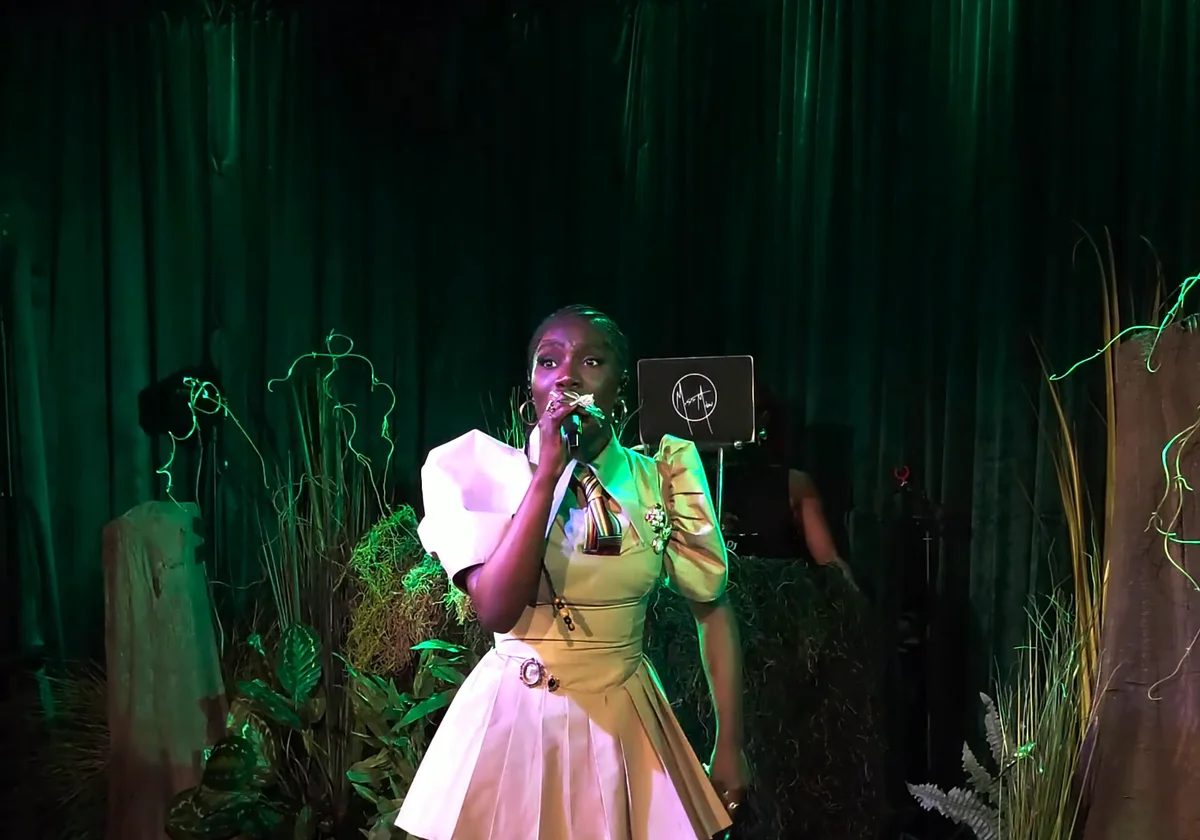
Hip-hop promotion works when the campaign makes a specific artist, voice and scene easy to understand. “Rap” is too broad to guide an editor, DJ or fan: a reflective jazz-rap record, a local drill anthem, a melodic trap single and a sample-heavy underground cut belong in different conversations. The job is not to appear everywhere. It is to give the right listeners several convincing ways into the same record.
This playbook turns that idea into a month-before to month-after campaign. Use it alongside LISTN’s wider music promotion by genre framework, then adapt the sequence to your subgenre, city, collaborators and current audience.
Build a campaign around voice, world and use case
Start with a one-sentence positioning statement that another person could repeat accurately. Include:
- The rap identity: technical bars, melodic delivery, conversational storytelling, club energy, political writing or another clear centre of gravity.
- The production language: dusty loops, live jazz players, sparse drill percussion, Southern trap drums, left-field electronics or a producer’s recognisable signature.
- The listener moment: headphones at night, pre-game energy, a car system, a dance challenge, a cypher, a workout or close lyric reading.
- The cultural anchor: the city, crew, language, subject or personal experience that gives the song a point of view.
A useful pitch is concrete: “A tense, one-take performance over skeletal UK drill production about leaving a familiar neighbourhood” says more than “a hard new hip-hop banger.” Keep the public description short, but prepare a fuller private note explaining the song’s story, credits, release context and best comparison points.
Choose one lead moment for content. It may be the first striking bar, a hook people can quote without context, a beat switch, a producer reveal or a verse that becomes clearer after hearing the story behind it. That moment should guide the teaser, vertical performance clip and DJ/radio edit rather than forcing unrelated trends onto the track.
Clear the foundations before outreach. Confirm artist and producer names, splits, beat-licence terms, featured-artist approval, lyrics, explicit metadata and any sample permissions. A musical composition and a sound recording are separate protected works, as the US Copyright Office explains in its guide to musical compositions and sound recordings; do not treat a sample found online as automatically cleared. If radio matters, prepare a clean edit early without damaging the cadence or narrative.
Promote through these channels, in this order
1. Short-form performance and narrative video
Hip-hop is voice-led, so let viewers see the delivery. Record several distinct assets from one session: a direct-to-camera verse, a hook with the featured artist, a studio breakdown with the producer, and a short explanation of one important line. Add readable captions, identify the song immediately and keep the visual language consistent with the artwork.
Post the strongest version first, then vary the opening rather than uploading the same file repeatedly. A performance can lead with the bar; a story clip can lead with the conflict behind it; a production clip can isolate the sample, drum pattern or beat switch. Review audience retention and traffic sources in YouTube Analytics instead of judging every clip only by raw views.
2. Scene-specific tastemakers, DJs and radio
Build a narrow list around sound and geography: specialist rap shows, college and community radio, mix-show DJs, club DJs, independent playlist curators, regional channels, freestyle platforms and writers who consistently cover your lane. A Detroit street-rap single and an abstract New York rap track should not share an identical contact list.
Send a private stream, cover art, concise story, release date, clean and explicit files where relevant, and accurate credits. Tell DJs whether an intro, instrumental or acapella exists. Mention one programme, mix or article that demonstrates fit; avoid claiming familiarity you do not have. Follow up once with a useful update, not a chain of reminders.
3. Collaborator and community networks
Hip-hop releases often have several credible entry points: rapper, producer, featured artist, video director, dancer, cover artist, engineer and local venue. Agree on a shared release calendar, but give each collaborator material that fits their audience. A producer may explain the drums, while the rapper performs a verse and the director shares a visual reference.
Invite genuine participation rather than manufacturing fake grassroots activity. Send early access to a small number of listeners who already post about the subgenre, and make clear that coverage is optional. Never buy “guaranteed” streams or playlist placement. Spotify warns that services promising streams can create artificial-streaming consequences.
4. Streaming profiles and editorial pitching
Deliver the master and metadata early enough to claim the release in artist dashboards, check credits and submit a focused editorial pitch. Spotify’s official process allows artists to pitch an upcoming unreleased song; its guidance also explains the timing needed for followers’ Release Radar. Describe subgenre, mood, instrumentation, location and the real campaign plan instead of listing famous artists.
Treat platform pitching as one route, not the campaign’s centre. Complete the artist profile, pin the release where the platform allows it and direct existing listeners to save or follow only when that action makes sense. Do not promise editorial placement.
5. Owned audience and long-form context
Email, a community channel, Bandcamp, a website and live shows let you reach listeners without depending on one feed. Offer something worth opening: annotated lyrics, a producer note, the full video, an instrumental, physical stock or a local listening session. Bandcamp’s artist guide is a useful starting point for presenting music and communicating with followers.
Long-form context is especially valuable for narrative rap, conceptual projects and regional stories. Publish it after the first attention spike, when curious listeners need a reason to stay.
A D-30 to D+30 rollout
D-30 to D-24: lock the record and its language
Finish the master, clean version, artwork and metadata. Confirm splits, licences and collaborator approvals. Write the one-sentence position, a 100-word story and three factual talking points. Identify the strongest 10–25-second section for vertical video without changing the song merely to suit a clip.
D-23 to D-17: package the campaign
Deliver the release, claim pre-save or pre-order pages where appropriate, update artist profiles and prepare a private press link. Record performance, story and production assets in batches. Build three outreach lists: scene media/radio, DJs/curators and trusted community contacts. Rank fit above follower count.
D-16 to D-10: begin private outreach
Send personalised pitches to the highest-fit contacts. Give radio both clean and explicit information; give DJs practical file details; give writers the story and complete credits. Submit the platform editorial pitch after delivery. Share a first teaser only when it establishes the record’s voice or world.
D-9 to D-3: create recognition
Release the clearest performance clip, reveal the artwork and activate collaborator posts over several days rather than all at once. Test two different openings built from the same lead moment. Follow up once with priority contacts and supply requested files quickly. Rehearse the song for live or filmed performance.
D-2 to D+2: concentrate attention
Make the listening link easy to find everywhere. On release day, publish the strongest full-context asset—official video, visualiser, live take or direct performance—and personally contact core supporters. Thank genuine coverage. Capture comments, audience reactions and DJ support only with permission and accurate attribution.
D+3 to D+10: extend the story
Post the producer breakdown, second verse clip or lyric explanation. Share a clean live take if the first asset was highly edited. Re-pitch contacts only when there is a real new angle, such as a video, performance date or collaborator interview. Check which city, source and content format produced engaged listening, not just impressions.
D+11 to D+21: serve the strongest audience
Put modest paid support behind the best-performing creative only if its audience matches the release. Publish the deeper story, alternate version, instrumental or acapella when artistically useful. Approach local shows, support slots and radio with evidence of fit, never inflated numbers.
D+22 to D+30: close and learn
Compile coverage, saves, direct sales, email growth, watch time and repeatable contacts. Note which message earned replies and which clip held attention. Thank collaborators, settle agreed costs and archive clean assets. Decide whether the next step is another single, a remix, a live session or a pause—not an automatic stream of filler.
Budget options
€0: precision over reach
Use a phone, daylight and one visually consistent location. Edit captions yourself, build a carefully researched contact list, trade assets with collaborators and prioritise direct performance. Spend time preparing the clean edit, accurate credits and individual pitches. Concentrate on one city or micro-scene rather than pretending to run a global campaign.
€100: strengthen the first impression
Choose one bottleneck. Pay for a concise vertical-video edit, a focused artwork adaptation, captioning, a rehearsal-room hour or transport to a strong location. Alternatively, reserve the amount for a small test behind the best organic clip after release. Do not divide €100 among low-quality promo packages or unverified playlists.
€500: build a small professional system
A sensible split might support one excellent performance shoot, editing several cutdowns, targeted media/radio support from a credible specialist, and a limited post-release ad test. Keep a contingency for clean-version mastering, file delivery or artwork changes. Ask any contractor for deliverables and reporting; payment buys work, not coverage, streams or guaranteed results.
Hip-hop campaign errors to avoid
- Calling the record simply “hip-hop.” Name the subgenre, region, production traits and emotional use case.
- Copying a trend that contradicts the song. A forced dance, meme or luxury image can weaken a serious narrative.
- Hiding the rapper for too long. Artwork-only teasers cannot demonstrate voice, timing, presence or writing.
- Ignoring the producer and features. Missing credits waste trusted audiences and create preventable friction.
- Sending only an explicit master. Radio, events and brand-safe contexts may need a clean edit.
- Treating every rap outlet as interchangeable. Pitch according to each programme’s sound, territory and format.
- Using uncleared beats or samples. Resolve rights questions before attention increases the stakes.
- Buying vanity metrics. They do not establish real demand and may expose the release to platform action.
- Abandoning the song after release weekend. A verse breakdown, live take or local story can create a second entry point without recycling the launch post.
Release-ready checklist
- Positioning names the rap style, production language, listener moment and cultural anchor.
- Master, clean edit, metadata, credits, splits, licences and sample permissions are confirmed.
- Artwork, private stream, short bio, lyrics and contact details are organised.
- Performance, narrative and producer-led vertical assets are ready.
- Outreach lists are ranked by subgenre and geography.
- DJs and radio can access the correct versions and useful file information.
- Platform profiles are updated and editorial pitches are submitted without guarantees.
- Collaborators know what they are posting and when.
- Post-release analysis tracks engaged listening, watch time, direct audience growth and useful relationships.
- Follow-ups add a new reason to care.
For label context after the campaign has established a clear identity, explore the top hip-hop record labels to know in 2026. When the record, rights and pitch materials are ready, use that same specificity to pitch your hip-hop release through LISTN.