
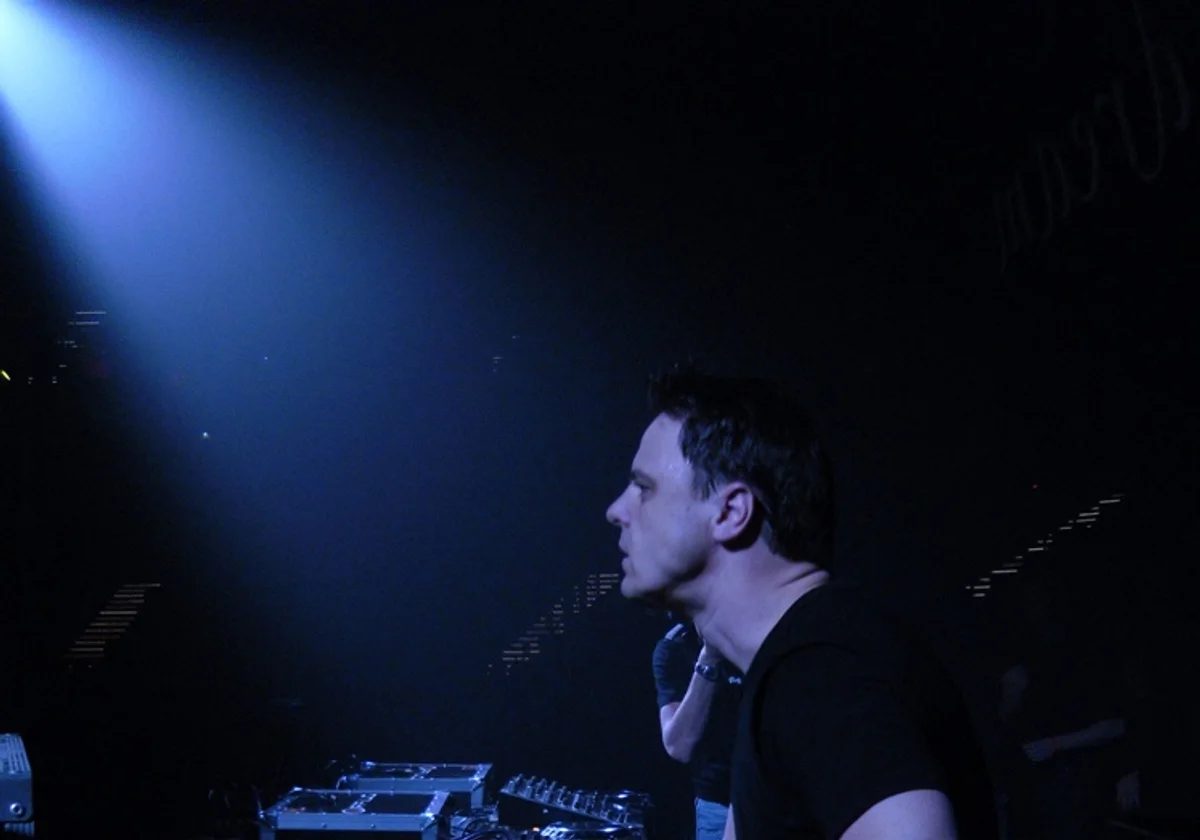
Progressive trance rarely reveals its value in the first ten seconds. Its appeal often sits in patient layering, controlled tension, evolving motifs and the way one record connects two phases of a set. Promotion therefore has to preserve context. The goal is not to disguise a seven-minute journey as a disposable clip; it is to create several inviting entry points that lead listeners toward the full arrangement.
This sixty-day playbook is for independent producers and small labels releasing progressive trance, from hypnotic club tools to melodic, emotionally spacious tracks. It complements the broader music promotion by genre framework, while focusing on the listening habits, DJ contexts and campaign pacing that make this lane distinct.
Establish the record’s progressive identity
Describe movement, not just mood
“Melodic” and “atmospheric” are too broad to guide a campaign. Write a working description of how the track changes over time: where the groove settles, which element creates tension, what the breakdown withholds and how the final section resolves. Add tempo, energy level and likely position in a set. A useful statement could be: “A late-night progressive trance builder whose restrained arpeggio opens into a wide, bittersweet lead without abandoning the rolling groove.”
This description helps select the right preview. If the record’s strength is cumulative, a clip can show two connected moments: the motif in its sparse form, then its later return. That tells a more truthful story than isolating the loudest bar. Mark three cue points for DJs and three for content, because they may not be the same.
Locate the overlap without becoming vague
Progressive trance can touch progressive house, deep trance, melodic techno and psy-influenced territory. Those overlaps are useful only when they are specific. Build three lists: artists whose recent sets could accommodate the track, radio shows that play comparable pacing, and labels whose current catalogue shares its arrangement logic. Research recent releases and tracklists rather than relying on a label’s historic reputation. The progressive trance label guide can help define the landscape, but your final targets should be chosen record by record.
Do not stack every adjacent genre into metadata. Pick the primary identity, then one meaningful secondary descriptor. Accurate language earns more trust than an exaggerated claim that the track works in every underground and main-stage context.
Build a listening package that respects time
Prepare an extended mix with functional headroom in the intro and outro, plus a shorter edit only if it preserves the narrative. The private page should state BPM, key, release date, credits, version names and a two-sentence arrangement note. Include a downloadable WAV for approved recipients and test it without being logged into your account. SoundCloud documents how private tracks use shareable secret links in its official help centre, which can be useful for controlled pre-release listening.
Visuals should express progression. Slow camera movement, changing light, evolving geometric forms or a continuous studio performance can reinforce the arrangement.
Ordered channel strategy for progressive trance
Priority 1: long-form DJ contexts and guest mixes
Lead with environments where the full arc can be heard. Target DJs who publish tracklists, specialist mix series, independent radio residents and podcasts built around extended sets. A placement inside a thoughtful hour-long mix may communicate more than an isolated post because listeners hear what precedes and follows the record.
Pitch the set function, mention a recent episode and provide the extended mix. For your own guest mix, use licensed or authorised music and publish a complete tracklist. YouTube’s official Content ID overview explains that uploaded audio can be matched and handled according to a rightsholder’s settings.
Priority 2: specialist radio, labels and scene editors
Progressive trance has small but committed nodes: radio programmes, genre blogs, label communities and curators with consistent taste. Segment them by depth and tempo. A show centred on deep, hypnotic journeys needs a different opening line from a melodic peak-time programme.
Send concise, individual outreach in waves. State the track’s evolution, key cue point and release plan. Include one link, with the edit and extended version clearly named inside. If there is no reply, one later follow-up is enough—and it should add something relevant, such as a public premiere, a new guest mix or the live release link. Never convert a download into a public endorsement without confirmation.
Priority 3: narrative video and studio education
Instead of forcing constant drops, make the arrangement itself the content. Show how a four-note motif changes over 64 bars, how automation opens the lead, why the bass remains restrained during the breakdown or how the outro allows a clean transition. A/B clips work well when they reveal a real production decision rather than pretending there was one perfect trick.
Sequence the motif, sound design and full passage. Use captions, but let the musical payoff breathe. Searchable wording such as “building tension in progressive trance” will remain useful longer than an unexplained slogan.
Priority 4: owned listeners and micro-communities
Email subscribers, direct supporters and genuine producer communities can handle more context than a broad feed. Share a short production diary, an annotated arrangement image or early access to a guest mix. Ask a focused question—“Does the second break release too much tension?”—only if feedback can still affect the work. After mastering, invite interpretation instead of pretending the track is unfinished.
Participate before asking for attention, respect self-promotion rules and avoid unsolicited direct messages.
Priority 5: streaming discovery and catalogue links
Deliver the release early, verify artist mapping and make the profile tell a coherent catalogue story. Spotify allows artists or their teams to pitch one unreleased song to editorial teams through Spotify for Artists; its official pitching guide recommends delivering at least seven days before release for Release Radar consideration. Editorial submission does not guarantee a playlist.
Use the form to describe instrumentation, mood, culture and campaign activity accurately. Connect the new track to one older release or mix that shares its atmosphere, rather than presenting it as an isolated event. After launch, direct listeners to a single destination that makes the available versions clear.
A D-30 to D+30 progressive rollout
D-30 to D-24: audit the journey
Listen away from the studio and mark where a first-time listener receives enough information to continue. Confirm master, metadata, credits, artwork and distribution delivery. Write the movement-based positioning statement. Export the extended mix and any purposeful edit, then assemble the private page. Identify 20–35 targets from current tracklists and catalogue activity.
D-23 to D-17: seed full-length listening
Send private links to the highest-fit DJs, residents and radio producers. Offer a cue note but do not dictate how they should use the track. Record a seamless transition into and out of the release. Film the evolving motif or automation in one continuous session, so later posts come from one coherent source rather than hurried release-week footage.
D-16 to D-10: introduce the musical question
Reveal the artwork and release date through the track’s central idea. Post the sparse version of the motif, then invite listeners to hear where it develops. Confirm profile mapping and submit eligible platform pitches. Approach selected guest-mix series or editorial channels with a distinct proposal, not the same DJ email copied into a new inbox.
D-9 to D-4: demonstrate context
Publish the transition clip or a short excerpt from your own authorised mix. Share a studio explanation that compares the motif’s early and late forms. Send radio presenters the edit, the extended version, full credits and pronunciation notes. Follow up once with priority contacts if you can add a concrete update.
D-3 to D-1: reduce friction
Check every public and private link on mobile. Prepare one release-day landing page, email and full-length visual. Schedule basic posts, but keep captions adaptable in case genuine support arrives. Make sure collaborators agree on tags, credits and timing. Avoid announcing a “premiere” unless a partner has confirmed the term and time.
D0 to D+5: open the full journey
Launch with the full track or visualiser as the centrepiece. Use shorter posts as doorways to that experience. Update profiles, send the opted-in email and thank supporters with accurate links. If a DJ programmes the record, capture the public tracklist or timestamp before referencing it. Reply thoughtfully to listeners who mention particular musical moments.
D+6 to D+14: widen the interpretation
Release the arrangement breakdown, extended transition or guest mix. Contact the second outreach wave with the live link and one genuine point of momentum. Reframe the same identity through mix utility, production process or emotional context.
D+15 to D+30: connect the catalogue
Create a short playlist or mix that places the track alongside authorised references and one older release. Review where full listens, meaningful comments, downloads, radio plays and email clicks came from. Record which descriptors attracted the right audience. Send thanks without immediately pitching another track, then carry the useful relationships into the next release.
Budget plans at €0, €100 and €500
€0: context through craft
Invest time in one continuous studio video, a DJ transition, a private press page and precise outreach. Use existing artwork to create restrained crops and motion. Publish a self-curated mix only with appropriate rights and platform compliance. At this level, careful research is the advantage.
€100: make the evolution visible
Allocate about €45 to a motion designer who can turn the cover into a slow, reusable visual system, €35 to edit two longer recordings into four purposeful clips and €20 to captions or artwork formats. If you can edit confidently, put €60 toward a professional mix/master check and €40 toward one visual asset. Paid reach is optional.
€500: fund depth, then test discovery
A balanced plan could assign €180 to a filmed studio or live-DJ session, €120 to editing and motion, €80 to mix/master quality control, €70 to small advertising tests and €50 to contingency or accessibility. Test only content that already holds attention among relevant listeners. Keep the audience definition narrow, cap each experiment and send traffic to a full listening experience rather than an empty profile.
For a collaboration-led release, shift €100–€150 from production toward fair fees for a vocalist, designer or mix engineer whose work is part of the record’s identity. Budgeting should improve the work and its explanation, not purchase questionable validation. Reject offers of guaranteed streams, secret “editorial” access or unverifiable DJ support.
Mistakes that weaken progressive trance campaigns
- Previewing only the climax. This hides the controlled development that makes the record distinctive and can attract the wrong listener expectation.
- Calling every slow-build electronic track progressive trance. Reference current sets and catalogues before choosing the tag.
- Ignoring the intro and outro in promo files. DJs evaluating transitions need the complete functional arrangement.
- Editing visuals against the music’s pace. Hyperactive cuts can make a patient track feel apologetic rather than confident.
- Confusing adjacency with fit. A melodic techno channel is not automatically suitable because the record has arpeggios.
- Turning private activity into public claims. A stream, download or polite reply is not confirmed support.
- Sending an unexplained seven-minute link. Give the recipient a useful cue point and reason to listen while still offering the full arc.
- Abandoning the campaign after release weekend. Studio explanations, mixes and catalogue connections are especially valuable once the track is public.
Progressive trance release checklist
- The positioning statement explains how the track moves over time.
- Primary genre, adjacent descriptor, tempo and set role are consistent.
- Extended mix and edit are clearly labelled and genuinely different in purpose.
- Private stream, WAV download, credits and contact details work on mobile.
- Targets were verified through recent shows, tracklists or releases.
- DJ, radio, editorial and community pitches are tailored separately.
- Content includes motif development, arrangement context and a transition.
- Rights are cleared for every visual, sample, mix and collaborator contribution.
- Streaming profile mapping and pre-release pitch are handled in time.
- Release day points to one clear full-listening destination.
- Any support claim is public, attributable and accurately worded.
- D+30 review measures useful actions, not reach alone.
Progressive trance promotion succeeds through accumulation: each mix, explanation, clip and conversation gives the listener another way into the same evolving world. Keep the pacing deliberate and the targeting exact. When the private package and radio shortlist are ready, pitch the release through LISTN to seek relevant curator matches without flattening the record’s identity.