
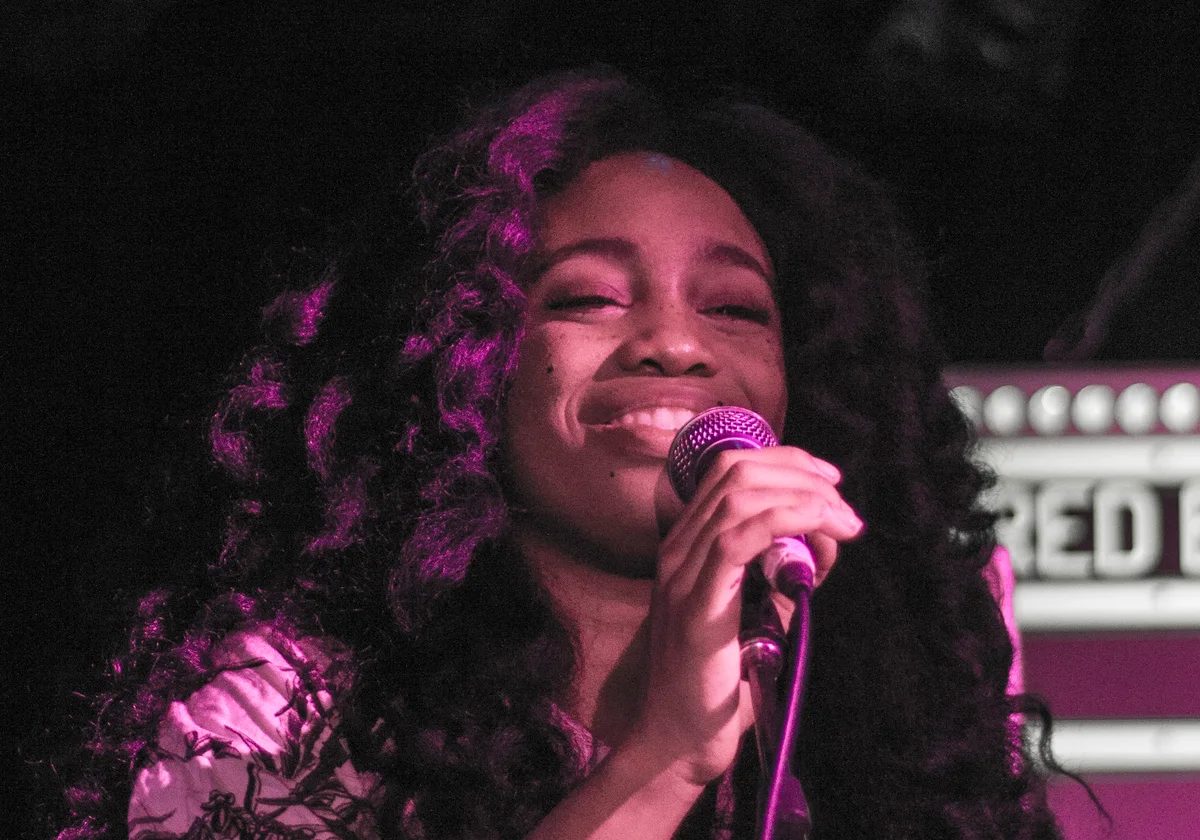
R&B promotion works when the campaign carries the same emotional precision as the record. A vulnerable slow jam, a rhythmic contemporary single and a live neo-soul performance should not be packaged as interchangeable “vibes.” The vocal, point of view, production language and audience moment should shape every channel choice.
This guide gives independent R&B artists a practical route from the finished master to thirty days after release. It covers one lead single, but the system can frame an EP campaign too. Compare it with the wider music promotion by genre framework when planning across styles.
Position the song around an emotional promise
Start with a two-line release statement. Line one identifies the musical lane: contemporary R&B with clipped drums, alternative R&B with distorted ambience, neo-soul built around live keys, or a stripped vocal ballad. Line two describes the human tension without retelling the full lyrics: choosing distance after an unequal relationship, wanting intimacy while protecting independence, or confronting a late-night mistake.
Specificity helps programmers and listeners decide where the song belongs. Note tempo, energy, explicit content, vocal character, important instruments and comparable listening contexts. References can communicate a lane internally, but public copy should not reduce your work to “sounds exactly like” a famous artist.
Decide which performance establishes credibility. For a vocal-forward record, that may be a one-take chorus, acoustic rendition or stacked-harmony breakdown. For a production-led song, it could be the transition between dry verse and expansive hook. R&B audiences often meet the performer before they commit to the studio track, so build the campaign around a moment you can deliver convincingly.
Complete splits, producer agreements, featured-artist approvals and sample clearances before launch. Confirm how every name should appear in metadata and social tags. The U.S. Copyright Office distinguishes a song’s composition from its sound recording; both layers matter when writers, producers, session players and samples are involved.
Ordered channel priorities for an R&B release
Priority 1: performance-led short video
Lead with the voice and emotional turn. Record several native vertical pieces rather than one expensive clip cut repeatedly: an immediate chorus performance, a harmony-stack explanation, a lyric setup that ends on the hook, and a duet with the featured artist. Add readable captions and show the title early enough that a viewer can find it later.
Instagram explains that eligible public-account content may be recommended to non-followers, subject to its recommendation guidelines. TikTok says recommendations draw on user interactions and video information among other signals in its account of For You recommendations. Neither platform guarantees reach. Focus on a strong first musical moment, not tricks that attract the wrong audience.
Make the clips emotionally different. One can feel confessional, one musically impressive and one visually styled. Measure profile visits, shares, comments that quote lyrics and clicks—not views in isolation.
Priority 2: streaming conversion and profile storytelling
Deliver early, update artist images and bio, and pitch the focus track while it is unreleased. Spotify’s current instructions say artists can pitch one unreleased song at a time, and submitting at least seven days before release adds that selection to followers’ Release Radar; read the official Spotify for Artists pitching rules.
Use accurate R&B subgenre, culture, mood and instrument details. Explain the song’s creation in plain language and identify clean or explicit versions correctly. Arrange your profile so the next click deepens the story: Artist Pick, a short Canvas where available, current photos and an artist playlist built around the new single’s emotional arc.
Do not buy streams or guaranteed playlists. Spotify warns that services guaranteeing streams or playlist placement may use artificial methods and can create penalties.
Priority 3: specialist radio, curators and editorial outlets
Segment targets by programming need: contemporary and alternative R&B playlists, soul shows, college and community radio, vocal-performance channels, regional culture publications and relationship-themed creator pages. Listen to or read recent output before pitching. “You cover R&B” is not personalisation; cite the specific show, feature or playlist that proves fit.
Send a private link, release date, clean/explicit status, concise credits, artwork and the two-line positioning statement. Radio may need WAV files and clean edits; publications may need photographs and a longer story. Follow each outlet’s process.
Our top R&B record labels guide is useful for understanding how different R&B catalogues are positioned. Use it for research and fit, not as a generic submission list.
Priority 4: YouTube sessions and narrative video
YouTube can hold the material that short-form platforms fragment. Publish an official visualiser, lyric video or narrative video, then follow with a live rendition that demonstrates the voice without the full production. Put full credits and the primary listening link high in the description. Add captions and a thumbnail whose expression matches the song rather than a random glamour image.
Avoid misleading celebrity names, tags or thumbnails. YouTube’s spam and deceptive practices policy prohibits misleading metadata and thumbnails. A clear artist–title format also makes the video easier to identify in search.
Priority 5: owned audience and local relationships
Email and SMS lists, where subscribers have consented, are valuable because you can explain the story without an algorithmic feed. Send a personal note at announcement, release and the strongest post-release moment rather than daily reminders. Give local DJs, photographers, stylists, dancers and event programmers an angle that connects to their work.
If the song has a featured artist, agree on dates, assets, links and responsibilities in advance. Coordinated does not mean identical: each collaborator should tell the story from their own contribution.
D-30 to D+30 R&B campaign calendar
D-30 to D-24: lock the record and narrative
Approve the master, clean edit, instrumental and performance track. Finalise splits, credits, lyrics, artwork permissions and featured-artist metadata. Deliver to the distributor and reserve consistent handles or links.
Write the emotional promise, select the strongest 10–20-second vocal moment and choose a visual language. Assemble a press folder with private stream, bio, portrait and landscape images, lyrics, credits and contact information. Set one main outcome: qualified listeners, ticket demand, press coverage or fan-list growth.
D-23 to D-17: capture performances and build targets
Film three or four vertical performances in one session, changing framing or emotional setup rather than merely changing clothes. Record a complete live or stripped version for later. Create captions and check that the vocal is intelligible on a phone.
Research a manageable list of curators, stations and writers. Note recent relevant coverage, submission instructions, territory and clean-file requirements. Submit the Spotify pitch while the song remains unreleased.
D-16 to D-10: introduce the emotional world
Publish a short performance without overexplaining. Follow it with a lyric or story setup that gives the hook meaning. Invite existing supporters to a private preview or close-friends clip, and pay attention to the words they naturally use about the song.
Begin personal outreach to priority media and radio. Give each recipient one clear reason for the fit. Share approved assets with collaborators, then confirm who posts what and when.
D-9 to D-1: turn recognition into intent
Announce title, artwork and date. Post the clip that has the strongest combination of vocal performance and emotional clarity. Share a behind-the-song note about writing, production or harmonies. Use a pre-save only as one optional action; do not make fans complete a complicated sequence.
Upload YouTube assets privately and verify captions, description, credits and links. Send a single polite follow-up where accepted. Prepare launch email and day-one posts, but leave room to respond to real audience language.
D0 to D+7: give the release multiple entrances
Check every link before announcing. Update Artist Pick, publish the principal video and coordinate collaborators. Ask for one meaningful action, such as saving the track, sharing it with someone who needs the lyric, or watching the live performance.
Over the week, post the harmony breakdown, a fan-favourite lyric and a contrasting live version. Reply thoughtfully to comments without forcing every conversation into a sales pitch. Monitor saves, repeat listening, playlist adds, profile actions, video completion and email clicks by source.
D+8 to D+21: expand proof of artistry
Release the full live session or acoustic rendition. Pitch it as a new editorial angle rather than resending the original message. If a lyric resonates, invite a songwriter, dancer or visual artist to interpret it with clear permission and credit. Share credible radio support and press without implying endorsements beyond what occurred.
Review which creative introduced listeners who then explored another song. That catalogue movement is more valuable than a disconnected spike.
D+22 to D+30: close the loop and set the next chapter
Publish one reflective piece: what a lyric means now, how the vocal arrangement changed, or what the collaborators contributed. Thank supporters and curators individually. Document responsive contacts and respect anyone who declined.
Compare outcomes with the original goal. Keep the strongest video format, retire weak positioning and connect the single to the next release, live date or EP story. Do not disappear after launch week.
€0 Budget: make the performance the asset
Record in a quiet, visually intentional room with the phone you own. Prioritise intelligible vocals, window light, steady framing and captions. Create a press folder, use official pitching dashboards, email a carefully researched group and trade filming help with trusted creatives. A compelling chorus performed honestly is more useful than ten template graphics.
Concentrate on one full live take, four distinct vertical clips, one strong portrait and personal outreach. Ask collaborators to contribute perspective, not just follower counts.
€100 Budget: fix the campaign’s weakest link
If the master and visuals are strong, use about €50 for a controlled promotion test on the best organic performance, €30 for captioning or a simple visual edit, and €20 for a legitimate outreach tool. If the vocal capture is weak, put the budget into a short live-session recording instead and promote organically.
Define the test before spending: audience, territory, creative, destination and stop date. Use platform ad tools; do not pay an account that promises streams or editorial placement.
€500 Budget: create a durable performance package
One useful allocation is €200 for a well-recorded live session, €100 for photography and vertical edits, €150 for two measured ad experiments, and €50 for transparent outreach support. Another artist may shift funds toward styling, a clean mix or a lyric video. Spend against the positioning, not a standard shopping list.
Request written deliverables and usage rights from contractors. Keep ads focused on the clip that already shows audience fit, and compare performance-led creative with story-led creative. No budget level guarantees press, playlists or listener growth.
Genre-specific mistakes R&B artists should avoid
- Hiding the voice until release day. A vocal performance is often the clearest trust signal; introduce it early.
- Flattening every song into “late-night vibes.” Name the real emotional conflict and musical lane.
- Using one explicit master everywhere. Prepare and label a clean edit when radio or public programming requires it.
- Ignoring writer, producer and feature credits. R&B is collaborative; incomplete metadata damages relationships and discovery.
- Copying another artist’s visual identity. References can guide a mood, but imitation makes your own story harder to remember.
- Launching a polished video with no follow-up formats. Plan live, lyric and process assets that extend the song.
- Buying guaranteed playlist exposure. Artificial activity creates unreliable data and platform risk.
- Treating virality as the strategy. The campaign needs a destination, audience relationship and next release even when a clip travels.
Final R&B release checklist
- The release statement identifies both musical lane and emotional tension.
- Master, clean edit, instrumental and performance version are ready as needed.
- Splits, samples, lyrics, credits, image rights and featured-artist approvals are complete.
- Distribution metadata and artist profiles match.
- The focus track is pitched through official tools while unreleased.
- Short videos include a credible vocal moment, captions and a clear title.
- Radio, curator and press lists are segmented by actual recent fit.
- Outreach follows each recipient’s format and follow-up policy.
- No paid provider guarantees streams, coverage or placement.
- Launch links, video descriptions and credits have been checked.
- D+7 and D+30 reviews connect channel activity to meaningful audience actions.
- The release points naturally toward the next song, show or project.
Strong R&B promotion does not make intimacy louder; it makes the song’s emotional and musical promise easier to recognise. Build around a real performance, sequence channels deliberately and keep telling the story after launch week. Once your assets and target research are complete, launch a targeted LISTN campaign to organise outreach around genuine genre fit.