
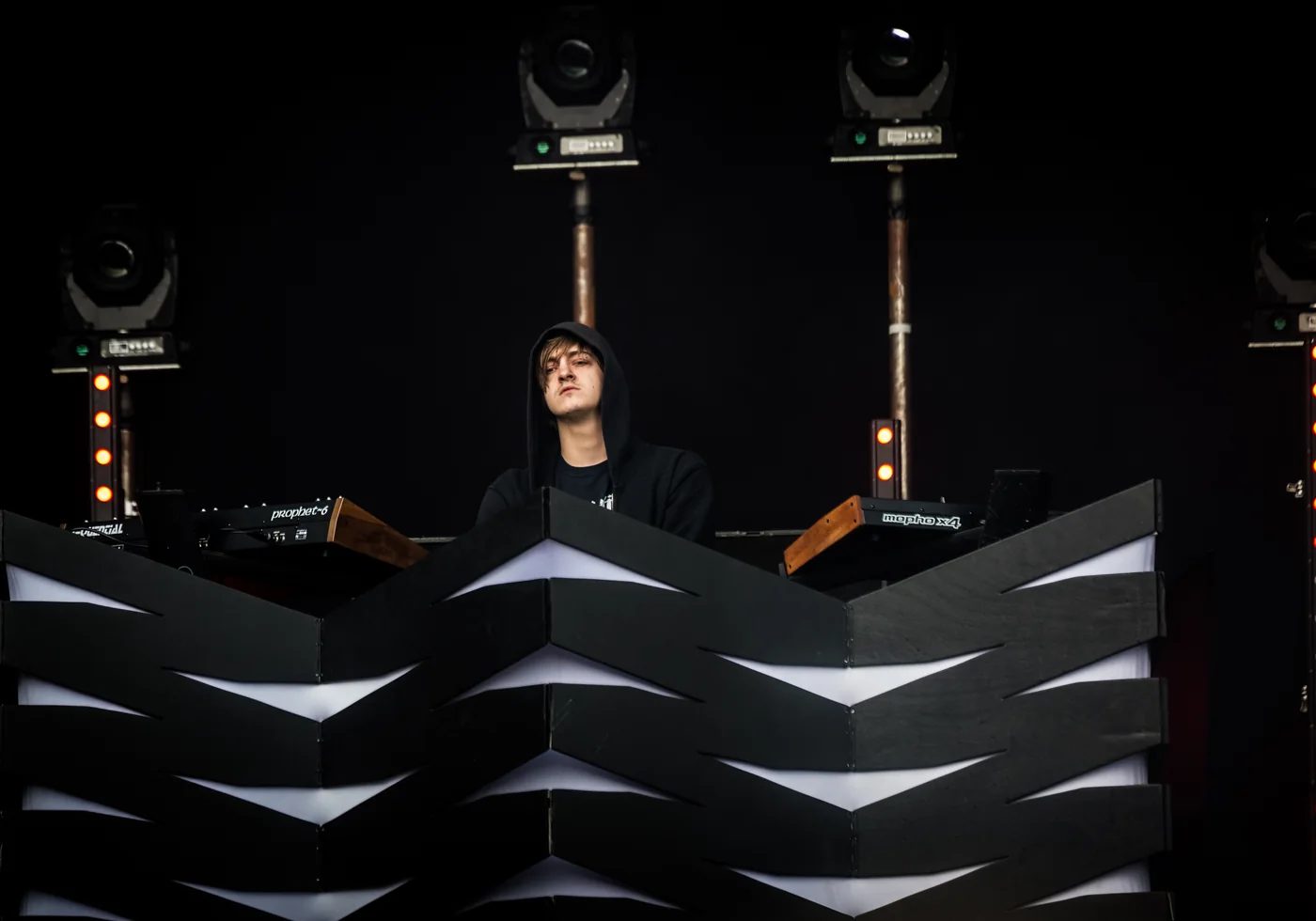
Synthwave promotion works best when the release feels like a complete world rather than a track placed over a random neon grid. The audience is unusually fluent in the genre’s visual and musical codes: gated drums, arpeggiated bass, cinematic builds, VHS textures, night-drive imagery and references to 1980s film, games and technology. Those signals can make a release instantly legible, but relying on them without a distinctive story makes one campaign look like every other.
This playbook turns one finished single or EP into a focused 60-day campaign. It is designed for independent artists working across classic outrun, dreamwave, darksynth, synthpop and cinematic hybrids. For a wider view of how different scenes require different tactics, start with LISTN’s music promotion by genre guide.
Position the release before you schedule posts
“Retro electronic” is not precise enough for editors, curators or fans. Write a one-sentence positioning line that combines sound, mood and use case. For example: “A tense darksynth chase theme built around distorted bass and live guitar,” or “A vocal dreamwave single for the final quiet drive home.” That sentence should guide the pitch, artwork, short-form clips and the first paragraph of the press note.
Define four elements:
- Lane: outrun, dreamwave, darksynth, cinematic synthwave, synthpop crossover or another honest hybrid.
- Emotional promise: escape, menace, romance, speed, nostalgia or late-night reflection.
- Musical proof: name two audible features, such as Linn-style drums, a recurring arpeggio, saxophone, guitar or a widescreen instrumental climax.
- Listener context: night driving, gaming, training, focused work, a retro club set or soundtrack discovery.
Use influences carefully. One or two accurate references help a recipient orient themselves; a string of famous names sounds like borrowed credibility. If your track departs from genre convention, explain the useful difference. A darksynth track with industrial vocals or a dreamwave song built around live drums is easier to remember when the contrast is explicit.
Build one recognisable visual system
Synthwave is visual, but “purple sky plus sports car” is a category marker, not a campaign concept. Choose a specific setting, prop, character or recurring motion that belongs to this release. A cracked arcade cabinet, deserted coastal road or malfunctioning training video can generate a cover, vertical loops, lyric cards and a visualiser without changing art direction every week.
Prepare a square cover, a clean press image, three vertical video templates, a 16:9 visualiser and a version of the artwork without text. Make sure the strongest image still reads on a phone. If you use archival footage, fonts, film clips or game imagery, secure the necessary rights rather than assuming a retro aesthetic is public domain.
Channel priorities, in order
1. Scene-specific radio, playlists and editorial outlets
Start with outlets that already programme synthwave, retrowave, dark electronic music, soundtrack culture or adjacent cyberpunk and gaming music. Fit matters more than follower count. Record each outlet’s lane, recent selections, submission method and lead time. Send a stable private stream, release date, artwork, concise positioning line and one reason the track suits that particular programme.
Do not describe an outrun instrumental as darksynth merely to reach a larger list. Curators hear the mismatch immediately. Use LISTN’s synthwave record label guide as a research map for active catalogues and scene vocabulary, not as a mass-mailing directory.
2. YouTube visualisers and discovery channels
Synthwave’s cinematic identity gives a full-track visualiser more value than a generic audio upload. Build a loop with purposeful motion: passing lights, a dashboard pulse, a surveillance feed or one animated cover detail. Add the lane and mood naturally to the title and description, provide credits, and link to the release rather than stuffing keywords.
Approach independent channels only after checking their recent uploads, submission instructions and monetisation terms. Ask who controls the upload and what happens if your distributor’s Content ID system claims it. YouTube explains how Content ID claims can block, monetise or track matched videos, so resolve permissions before premiere day.
3. Short-form video with sound-led concepts
Cut the track into moments that communicate different reasons to listen: the first bass reveal, the most cinematic transition, a vocal hook, a guitar entrance or the final lift. Avoid posting the same waveform six times. Demonstrate a patch, show the stems entering one by one, score a short night-drive sequence, compare the dry and processed snare, or explain the film scene you imagined.
Keep one visual motif across the clips so repetition builds recognition. The goal is not to imitate every trend; it is to make the track’s atmosphere understandable before the viewer knows your name.
4. Direct fan channels and Bandcamp
Email, Discord and Bandcamp are where context can be deeper. Share production notes, artwork details, gear photographs or the story behind a fictional setting. If you offer a Bandcamp pre-order, configure it early enough to test the preview track, fulfilment date and extras; Bandcamp’s official guide explains how digital and physical pre-orders are set up.
A small edition of cassettes, posters or alternate artwork can suit synthwave collectors, but only promise physical products you can manufacture and ship. Digital liner notes or a downloadable wallpaper are safer bonuses when cash and logistics are limited.
5. Streaming-platform tools
Deliver the master and metadata early. Claim and update artist profiles, pin the new release where the platform allows, and submit one unreleased focus track through Spotify for Artists. Spotify states that editors need the pitch at least seven days before release for that song to enter followers’ Release Radar, and only one song can be pitched at a time. Treat this as a deadline, not a promise of editorial placement.
The D-30 to D+30 campaign map
D-30 to D-22: establish the world
Lock the master, credits, identifiers, release date and cover. Write the one-sentence position and a 100-word note covering the track’s story, sound and best listener context. Build a private link that will not expire mid-campaign. Create a target sheet split into synthwave specialists, adjacent electronic outlets, radio, YouTube channels and creators.
Shoot or render the core visual assets now. If the release has a narrative, publish one intriguing detail rather than explaining the whole concept immediately.
D-21 to D-15: deliver and begin focused outreach
Confirm distribution delivery and artist-profile access. Submit the platform pitch within the applicable window. Contact outlets with longer lead times first, using individual messages tied to their actual coverage. Ask about clean edits or WAV requirements only where relevant.
Announce the date to existing followers and open the pre-save or pre-order. Post the first sound-led clip, then note which musical moment earns saves, comments or profile visits. Early response should refine the next edit, not trigger a complete aesthetic reset.
D-14 to D-8: show evidence, not hype
Release a second clip focused on craft: sound design, composition, guitar processing, vocals or the visualiser loop. Follow up once with priority recipients when you have a meaningful addition, such as the final visualiser or premiere availability. Do not send daily reminders.
Confirm any premieres in writing, including time zone, link, artwork credit and exclusivity. Prepare launch-day captions, smart links and files so release morning is not spent searching for assets.
D-7 to D-1: convert recognition into intent
Reveal the strongest hook and repeat the campaign’s central visual. Send a short fan email with the release time and one clear action. Test every destination link on mobile and check that profiles, biographies and banners tell the same story.
Schedule enough content to stay consistent, but leave room to respond to real coverage. A countdown is useful only when each post adds a new sound, image or detail.
D0 to D+7: concentrate attention
On release day, lead with the clearest description of the music and one primary link. Publish the full visualiser, thank confirmed supporters individually and share coverage with proper credit. Keep pitching relevant radio and outlets that accept released music; label the track as out now.
Over the next week, rotate clips around distinct musical moments. Reply to comments with substance, especially questions about synths, production or the concept. Save screenshots and working URLs of legitimate coverage for the post-campaign record.
D+8 to D+30: extend the story
Move beyond “out now.” Publish a breakdown, live performance, alternate mix excerpt, playthrough or fan visual—with permission. Pitch longer-tail contexts such as gaming playlists, retro culture programmes and soundtrack-focused shows when the track genuinely fits.
Review results by source: listens, saves, sales, email sign-ups, video retention, replies and useful relationships. Compare formats and recipients, not just total reach. At D+30, document what to repeat and what to stop before planning the next release.
€0 budget: precision over volume
Use free profile tools, a simple spreadsheet and assets you can make consistently. Spend time researching 20–30 strong-fit outlets, writing individual pitches and creating three well-edited clips from one visual system. Trade skills only when expectations are clear. Concentrate on direct fans, scene communities where you already participate, your platform pitch and personalised radio or curator outreach. Never pay with spammy reposts or fake engagement.
€100 budget: improve the weakest asset
Put the money where it removes a visible constraint. Options include a licensed motion template, an artwork adaptation, a short mastering revision, a small creator fee or carefully targeted testing on the clip already earning organic response. Keep some budget for subtitles or format exports if those are slowing production. Do not split €100 across ten unverified services; one credible improvement is easier to evaluate.
€500 budget: create a campaign centrepiece
Commission a distinctive visualiser, performance video or coherent asset package, then reserve a smaller portion for measured distribution. Alternatively, fund a limited physical edition only if you already have evidence of buyer demand. Define deliverables, usage rights, revisions and deadlines in writing. Paid media should amplify a proven concept to a relevant audience, not compensate for unclear positioning. Pause anything that attracts empty views without saves, visits or fan actions.
Synthwave promotion mistakes to avoid
- Using nostalgia as the entire story. The release still needs its own emotional or musical premise.
- Pitching every subgenre interchangeably. Dreamwave, outrun and darksynth serve different moods and programmers.
- Copying familiar neon artwork too literally. Recognition helps; indistinguishable execution does not.
- Ignoring audiovisual rights. Old film, television and game footage can still be protected.
- Sending a long lore document before the music. Lead with a clear sentence and accessible private stream.
- Buying guaranteed playlists or streams. Spotify warns that paid third-party services promising streams or playlist placement can violate its terms and lead to withheld royalties or corrected public numbers.
- Ending the campaign on release day. Production breakdowns and alternate visual pieces often make better post-release material than another announcement.
Final release checklist
- The lane, mood, musical proof and listener context are clear.
- Master, credits, metadata and release date are confirmed.
- Cover, press image, vertical clips and visualiser share one visual system.
- Rights are cleared for samples, footage, fonts and commissioned artwork.
- Private stream, public links and mobile destinations have been tested.
- Targets are ranked by genuine synthwave or adjacent-scene fit.
- Platform pitch is submitted within the required window.
- Premiere and upload permissions are confirmed in writing.
- Launch-day and post-release assets are prepared.
- Spending has a defined purpose and success signal.
- D+30 results and useful contacts will be recorded.
A strong synthwave campaign makes the sound, artwork and outreach feel like entrances to the same world. Once the release brief and target list are ready, build a focused LISTN campaign to organise genre-relevant pitching without losing that specificity.