
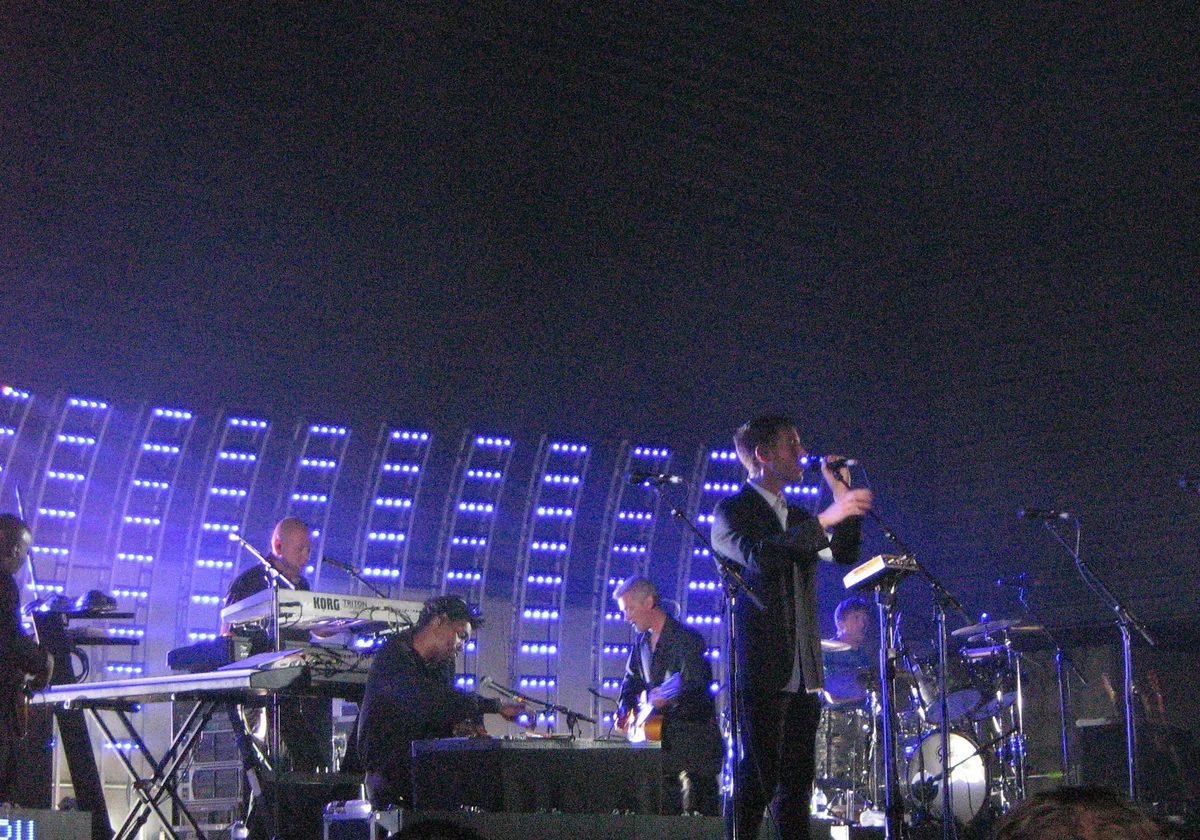
Trip-hop rarely benefits from a loud, generic launch. Its appeal often lives in atmosphere: drums that drag behind the beat, close-miked vocals, dub space, noir harmony, sample texture and a feeling that unfolds over several minutes. Promotion should invite people into that world rather than flatten the track into an anonymous “chill” clip.
The following plan is built for an independent single, from D-30 to D+30. It complements the broader music promotion by genre guide. Artists considering label outreach can also research the existing trip-hop record labels guide, but should listen to each label’s recent catalogue and confirm its current submission rules before sending music.
Start with a scene, not a subgenre label
Trip-hop overlaps with downtempo, electronic soul, alternative hip-hop, dub, ambient pop and cinematic music. That ambiguity can be an advantage if the campaign describes the record precisely. Create a short “scene statement” using four elements:
- Setting: rainy city, empty club, analogue control room, late-night radio or another image supported by the track.
- Human tension: distance, obsession, political unease, tenderness, insomnia or whatever the lyric and arrangement actually convey.
- Sonic evidence: brushed breakbeat, sub pressure, tape-worn sample, spoken vocal, guitar feedback or orchestral detail.
- Listening invitation: headphones, after-hours programme, film-minded playlist, slow set or focused album listening.
A useful result might read: “A nocturnal trip-hop single pairing a half-time break and decaying strings with a vocal about watching a relationship become surveillance.” The sentence gives a journalist an angle, a presenter a reason to listen and a visual collaborator a world to build. “Sounds like the 1990s” does none of those jobs.
Before promotion begins, resolve every sample and contributor question. A sample can involve rights in both a musical work and a sound recording; the US Copyright Office explains the distinction in its music and copyright overview. Requirements vary by territory and situation, so obtain qualified advice where necessary. Promotion cannot repair an unclear release chain.
Channel priorities, in order
1. Specialist radio and thoughtful editorial
Trip-hop’s pace and detail suit presenters and writers who provide context. Research downtempo, alternative electronic, left-field hip-hop, dub, experimental pop and soundtrack programmes. Read recent articles and examine tracklists before deciding that an outlet fits. Pitch the story in two compact paragraphs: why this record exists, what it sounds like, and why it belongs in that specific show or publication.
Provide a private stream, release date, clean/explicit status, concise credits, artwork and a download option. If a presenter asks for WAV, radio edit or instrumental, label files clearly. Never claim that an outlet supported the track until the play or publication is confirmed.
2. A durable visual home on YouTube
Make one piece that can hold the complete song: a short film, restrained performance, lyric treatment or looping visualizer. Trip-hop does not require rapid cutting; texture, framing and narrative continuity can be the differentiator. Add accurate credits and links in the description, plus captions when vocals or spoken words carry the story.
Use excerpts from the hero video for discovery, but do not make the full work impossible to find. YouTube explains how public, private and unlisted visibility differ in its official privacy settings guide, which is useful when sharing a review cut with collaborators before publication.
3. Short-form atmosphere and process
Short-form still matters, but trend imitation is optional. Treat each post as a doorway into the same world. Strong formats include an isolated drum loop becoming the full arrangement, a line of lyric over a recurring location, foley recorded for the track, a live vocal close-up, or the source instrument beside its processed sound.
Test openings that create questions rather than withholding basic information. On-screen text such as “we recorded the room after everyone left” gives context; “wait for it” does not. Measure whether viewers visit the profile, save the post, ask about the release or watch a second piece. Those actions reveal more than an untargeted spike in views.
4. Owned audience and direct support
Email, a small community and an artist website let the campaign breathe. Send a field note instead of a sales blast: one image, one paragraph about the song and one action. After release, offer lyrics, production notes, alternate artwork or a cleared instrumental if these deepen the project.
Bandcamp can suit listeners who want downloads, physical editions or direct artist support. Its artist guide outlines profile, release and merchandise tools; choose only the formats you can fulfil reliably. A small edition with honest delivery information is better than an ambitious bundle that arrives late.
5. Streaming discovery and adjacent playlists
Deliver early, update profiles and describe the track truthfully. On Spotify, only one unreleased track can be pitched at a time. Spotify says a pitch submitted at least seven days before release also places that track in followers’ Release Radar; see its official pitching instructions. Select moods, cultures and instruments because they fit, not because they appear popular.
Look beyond playlists named “trip-hop.” Downtempo, noir, late-night, electronic soul, abstract beats, cinematic and alternative playlists may be better homes, depending on the song. Avoid companies offering guaranteed streams or placement: Spotify’s guidance on paid third-party services warns that artificial streaming can lead to penalties.
The D-30 to D+30 campaign
D-30 to D-24 — assemble the world
Finalize audio, sample clearances, credits, lyrics, metadata, artwork and release permissions. Deliver the release. Choose one visual rule—monochrome street light, degraded film, surveillance framing or another track-specific system—and apply it consistently without copying a famous act’s identity.
Write the scene statement, a 75-word release note and three versions of the pitch subject line. Build a target list divided into radio, editorial, visual channels, DJs/selectors and direct supporters. Every target needs a current example that demonstrates fit.
D-23 to D-17 — create depth before reach
Shoot the hero visual and several quieter companion assets in one production block. Capture room tone, hands on instruments, vocal details, drum programming and environmental footage. Prepare horizontal, vertical and still formats without forcing every shot into the same crop.
Send a first, small wave of private pitches to high-fit radio and editorial contacts whose lead times require it. Ask two trusted listeners what they believe the track is about; use their answers to check clarity, not to rewrite the work by committee.
D-16 to D-10 — introduce the tension
Publish the first atmospheric excerpt with the release date. Follow it with a process piece that reveals a real choice: why the snare sits late, where a field recording enters or how the vocal was treated. Announce the hero visual only when its landing page is ready.
Complete the streaming editorial pitch. Give collaborators one organised folder containing approved copy, credits, images, short clips and posting windows. Follow up with the earliest radio targets once, adding the private video or another useful asset.
D-9 to D-4 — connect the story
Share a lyric, object, location or news context that genuinely shaped the track. Publish a short note from a collaborator so the campaign has more than one voice. Send the core mailing list a preview that rewards attention rather than repeating the public caption.
Check captions, lyric spelling, metadata, links, mobile crops and video credits. Prepare a concise release-day email and one pinned post. Confirm whether quoted feedback is private or approved for publication.
D-3 to D-1 — leave space
A trip-hop release can be weakened by frantic countdown posts. Use one strong reminder, one intimate preview and direct outreach to priority supporters. Send radio-ready files only to contacts who need them. Avoid last-minute mass submissions that ignore programme fit.
D0 to D+3 — open the door
Publish the complete visual and make it the clear destination from every excerpt. Send the release note to the owned audience. Respond to serious comments, questions and media requests. Share confirmed coverage and airplay with accurate attribution.
Record useful signals: full-video watch behaviour, saves, direct purchases, mailing-list clicks, qualified messages, radio responses and repeat listeners. Do not combine all channels into one vanity total; each serves a different purpose.
D+4 to D+14 — reveal another layer
Release a live take, instrumental passage, dub treatment, lyric commentary or scene from the film. The choice should expose something the launch asset did not. Approach adjacent soundtrack, experimental, alternative R&B and abstract-beat outlets with a tailored explanation of why that version fits.
If a strong clip earned meaningful profile visits or full-song plays, test paid support around it. If no asset has done so, revise the opening or audience before spending more.
D+15 to D+30 — convert attention into continuity
Publish a considered making-of piece and thank collaborators visibly. Offer the core audience a useful archive item: annotated lyrics, a cleared remix stem, high-resolution still or production note. Follow up with radio and editorial contacts only when there is relevant news.
Close the cycle by documenting which descriptions prompted replies, which visual held attention and which outlets matched the sound. Use those findings to shape the next release; do not delete a slow-building campaign simply because launch week ended.
€0 budget: research and restraint
Create one strong visual location with available light, a phone and deliberate art direction. Edit the hero piece and excerpts from the same footage. Spend the real resource—time—on 15 to 25 individually justified radio, editorial and channel pitches. Use email, artist profiles and existing communities, supporting other people’s work without dropping unsolicited links. A clean press folder and a precise message cost nothing.
€100 budget: fix one credibility gap
Choose the weakest essential element. Spend on a careful master check, video captions and edit, artwork adaptation, a location fee or a small performance light—not all of them. Keep any advertising test modest and use only a clip that has already attracted relevant actions. Reserve enough to correct a practical issue after launch. Paying for guaranteed reviews, playlists or streams is not a valid shortcut.
€500 budget: commission a coherent package
A useful allocation could cover a simple hero-film shoot, several vertical cut-downs and a controlled promotion test. Alternatively, commission distinctive artwork and motion treatment, then retain funds for specialist radio or publicity help. Vet suppliers through recent genre-relevant work, clear deliverables and transparent reporting. No legitimate partner can guarantee editorial coverage, airplay or audience response, so judge the process and fit rather than promises.
Mistakes that make trip-hop feel generic
- Using “chill” as the whole story. Name the tension, imagery and production evidence.
- Copying Bristol-era visual clichés without a present reason. Influence is context, not a campaign identity.
- Pitching only electronic dance outlets. Radio, alternative press, soundtrack communities and beat culture may fit better.
- Cutting every video at maximum speed. Let pace and negative space express the record.
- Hiding credits or sample questions until launch. Resolve rights and attribution before promotion.
- Sending long manifestos with no playable link. Put the track, date and reason for contact first.
- Equating moody imagery with unreadable design. Titles, captions and links still need clarity.
- Stopping after release weekend. Context-rich music often needs several entry points over time.
Trip-hop release checklist
- Scene statement includes setting, tension, sound and listening context
- Samples, performances, artwork and collaborator permissions are resolved
- Master, metadata, lyrics, credits and version labels match
- Hero visual and a clear full-song destination are ready
- Radio and editorial targets include a specific recent fit example
- Streaming pitch is submitted within the platform’s lead time
- Three excerpts offer different narrative or process angles
- Press folder contains private stream, artwork, credits and release note
- Owned-audience message has one clear action
- Budget addresses a named bottleneck rather than buying vanity activity
- D+4 and D+15 follow-up pieces are prepared
- Campaign notes separate meaningful signals by channel
Trip-hop promotion succeeds when every channel deepens the same atmosphere while giving the recipient a practical reason to listen. When the release, story and target shows are aligned, build a focused LISTN campaign for relevant radio and curator outreach.