
House labels give a record context: the DJs likely to play it, the other artists it sits beside, and the kind of dancefloor it speaks to. Defected, Nervous and Toolroom remain essential starting points, while Heist, Freerange and Robsoul reveal different routes through the underground. These ten labels offer concrete listening references for artists planning their next release in 2026.
Find the label that fits your house record
Start with the track's defining feature. Is it a vocal hook, a rolling bassline, jazz-shaped harmony or a tightly chopped sample? Listen to three recent releases from each potential label and compare arrangement, drum weight and vocal treatment. Save the closest matches as references. For the next step, use our guide to getting your music heard by a record label.
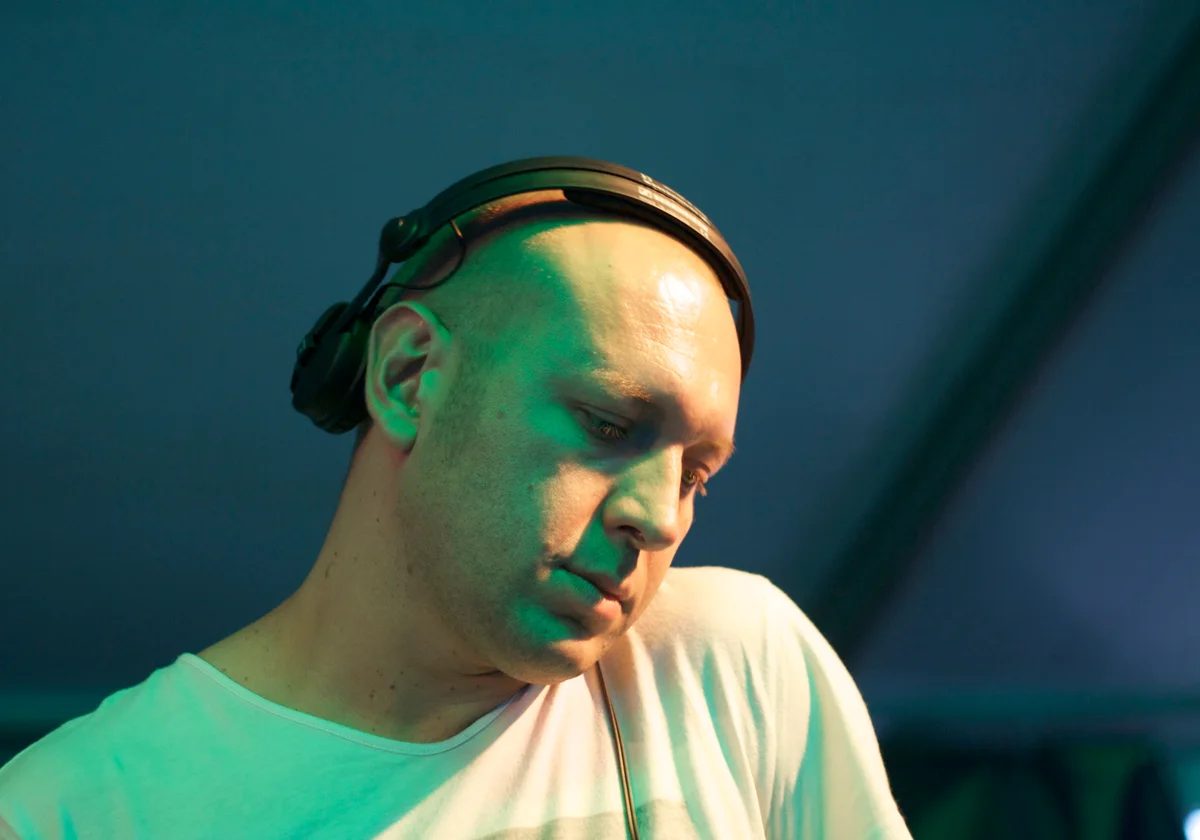
Cover: Marco Carola. Photo by Dave Walker, via Wikimedia Commons, CC BY 2.0 (modified).

Top 10 house music labels
1. Defected Records — vocal hooks with club momentum
Defected connects memorable songs with DJ-ready arrangements. Its current release catalogue pairs LEYO & Thierry Ganz's “Stamina,” released on September 4, 2026, with records from Route 94 and Melé. The reason to study Defected is the balance between an immediately identifiable hook and a groove that sustains an extended mix. For vocal-led house, this is a useful reference for making the song and the club version work together.
2. Nervous Records — New York roots, expansive remix packages
Nervous turns a central house idea into several distinct DJ options. The August 28, 2026 release of Mochakk's “Da Fonk” featuring Joni remixes includes Cinthie, Marco Carola, Confidence Man and a soulful extended version from Solarce Brothers. Its strength here is remix architecture: the same record can take different rhythmic and tonal directions. Study how a memorable original identity carries across those versions before planning your own remix brief.
3. Toolroom — precision-built, bass-driven house
Toolroom is a strong reference for producers who put low-end impact and arrangement at the centre of a track. Its 2026 catalogue includes Wh0's “Can't Stop”, which the label connects to early-2000s funky house basslines and modern production. The distinctive lesson is structural: a bass motif, controlled build and decisive return can create movement without adding endless layers. Compare the transitions as closely as the headline hook.
4. Heist Recordings — a connected underground community
Dam Swindle's Heist makes collaboration part of its catalogue's identity. The Round Up Pt. 12, released February 6, 2026, revisits the previous year's music through fresh interpretations, including D Stone remixing Cinthie and Demuir reworking D Stone. That exchange is the reason Heist belongs here: it lets listeners trace relationships between producers with different approaches to house. Explore the originals and remixes together to hear what each collaborator contributes.
5. Freerange Records — deep-house continuity across generations
Freerange rewards artists who build atmosphere through harmony and patient development. Its official discography places Jimpster's March 2026 Bassic Rollers EP beside Soul Clap's January Drowning In Your Love EP and the summer 30 Years Of Freerange compilations. The attraction is sustained curation across individual EPs and a long-running label story. Use it to research how a coherent musical identity can accommodate contrasting producers and release formats.
6. Classic Music Company — personality-led house
Luke Solomon and Derrick Carter's Classic is a destination for distinctive musical character. The catalogue's 2025 releases include Girls of the Internet's expanded When I Was Lost, I Found Myself and Makèz & Life On Planets' “Give It Life.” Classic's appeal is its room for both artist-led albums and individual club records. It is a productive reference when your house project has a recognizable voice that should extend beyond a single dancefloor track.
7. Hot Creations — swinging, bassline-led club identity
Jamie Jones and Lee Foss's label offers a clear route into house built around swing and physical bass movement. Its 2026 release announcements open with L.P. Rhythm's “Want Somebody,” described through crisp percussion, acid basslines and soulful vocal flashes. That focused combination makes Hot Creations useful for understanding how a small set of strongly characterized elements can define a record. Listen for the relationship between the bass phrase and the spaces in the drums.
8. Robsoul Recordings — groove-first EP craft
Robsoul keeps the individual groove at the centre of a prolific house catalogue. Its 2026 release schedule includes REda daRE's Fire & Ice EP in June, followed by Disperse Black's Pep N Ya Step EP in July. The reason to follow it is the EP format: several related ideas can establish a producer's personality beyond one lead single. Compare the tracks within a release and identify the rhythmic thread holding them together.
9. Glitterbox Recordings — disco-house songwriting
Glitterbox brings house into conversation with disco's expressive vocals and musical arrangements. Its August 2026 releases include The Shapeshifters featuring 79.5 on “On The Way Up” and Inner City featuring Steffanie Christi'an on “Turn Me On.” This is the label to study for the relationship between vocal performance, song structure and dancefloor release. Artists exploring that crossover can also follow our Nu Disco label guide.
10. Soulfuric — soulful records renewed through interpretation
Soulfuric's 2026 catalogue highlights specialist remixers: DJ Spen reworks Babert's “Time After Time,” while Harry Romero revisits Universal Love's “Ritmo Da Rua.” Its particular value is the dialogue between soulful source material and a remixer's rhythmic signature. Follow those credits when researching collaborators. A well-chosen remix partner can develop a specific quality already present in your record, such as percussion, vocal phrasing or the tension between the two.
Artist focus: Kerri Chandler and house as a living room
Kerri Chandler makes the relationship between musical warmth and club sound tangible. His house language pairs weighty drums and bass with soulful voices, spacious chords and a musician's attention to phrasing. Spaces and Places turns that approach into a project shaped by the rooms where people dance: his official site documents recording the album inside clubs including Ministry of Sound, DC10 and Output. The setting becomes part of the musical idea. Two performance projects extend that perspective: his Reel-To-Reel Session foregrounds tape-based DJ craft, while Live at Camden Roundhouse brings his selection into a concert setting. Both are featured on his current official site alongside Why Tape Still Matters. For producers exploring the labels above, Chandler offers a useful connection between studio detail, playback systems and shared experience. Listen for how the groove supports the musical phrase, then carry that relationship into your own arrangement and mix decisions.
LISTN house radio coverage: 665 radios in 79 countries
LISTN maps House campaigns to its house category. As of September 9, 2026, this category includes 665 distinct radios across 79 countries. The five largest country groups are the United Kingdom (96), Germany (57), France (52), the United States (52) and Spain (50).
Use those territories to organize your outreach alongside your existing listener locations. A vocal house single might lead with its chorus and short edit; a groove-led instrumental can foreground its musical references and the extended mix. Our radio submission guide walks through preparing the material.
Complete radio count by country
United Kingdom: 96; Germany: 57; France: 52; United States: 52; Spain: 50; Italy: 43; Netherlands: 25; Argentina: 23; Chile: 18; Australia: 17; Belgium: 16; Colombia: 15; Canada: 14; Greece: 12; Hungary: 12; Portugal: 12.
Romania: 10; Brazil: 9; South Africa: 9; Bulgaria: 7; Ecuador: 7; Croatia: 5; Peru: 5; Switzerland: 5; Israel: 4; Mexico: 4; Poland: 4; Russian Federation: 4; Venezuela: 4; Costa Rica: 3; Ghana: 3; Ireland: 3.
Uruguay: 3; Austria: 2; Bolivia: 2; Cyprus: 2; Denmark: 2; Dominican Republic: 2; Luxembourg: 2; Malta: 2; Monaco: 2; New Zealand: 2; Nicaragua: 2; Pakistan: 2; Sint Maarten (Dutch part): 2; Slovakia: 2; Sweden: 2; Thailand: 2.
Zambia: 2; Albania: 1; Armenia: 1; Aruba: 1; Egypt: 1; Estonia: 1; Finland: 1; Georgia: 1; Honduras: 1; Hong Kong: 1; India: 1; Indonesia: 1; Iraq: 1; Isle Of Man: 1; Japan: 1; Kenya: 1.
Kosovo: 1; Latvia: 1; Lithuania: 1; Montenegro: 1; Panama: 1; Paraguay: 1; Philippines: 1; Saint Lucia: 1; Serbia: 1; Taiwan, Province of China: 1; Tunisia: 1; Turkey: 1; Uganda: 1; Ukraine: 1; United Arab Emirates: 1.
Build a focused house release campaign
- Prepare two listening contexts. Supply a concise edit and an extended mix with clear filenames. Keep credits, release date, artwork and a private listening link together.
- Make the reference specific. Name two relevant recent records and explain the shared feature: vocal treatment, percussion or bass movement. Use our music campaign brief template to organize the pitch.
- Sequence the work. Confirm the release plan with your label, then align radio outreach, DJ servicing and your own clips around that date.
- Review the response. After release, compare engagement by territory and version. Use those observations to choose the next edit, collaborator or follow-up record.
Ready to put your house release in context? Explore a LISTN campaign with your track, musical references and priority territories.